£27.59 – £29.95Price range: £27.59 through £29.95
The majestic Tetrapanax papyrifer ‘Rex’ offers enormous, deeply lobed leaves, creating a bold, exotic statement. This fast-growing Giant Rice Paper Plant thrives in sheltered UK gardens, bringing unique architectural drama with its impressive foliage and late autumn flowers.
200 in stock
Discover the majestic Tetrapanax papyrifer ‘Rex’, a truly dramatic plant offering a bold, architectural statement for any UK garden seeking an exotic touch.
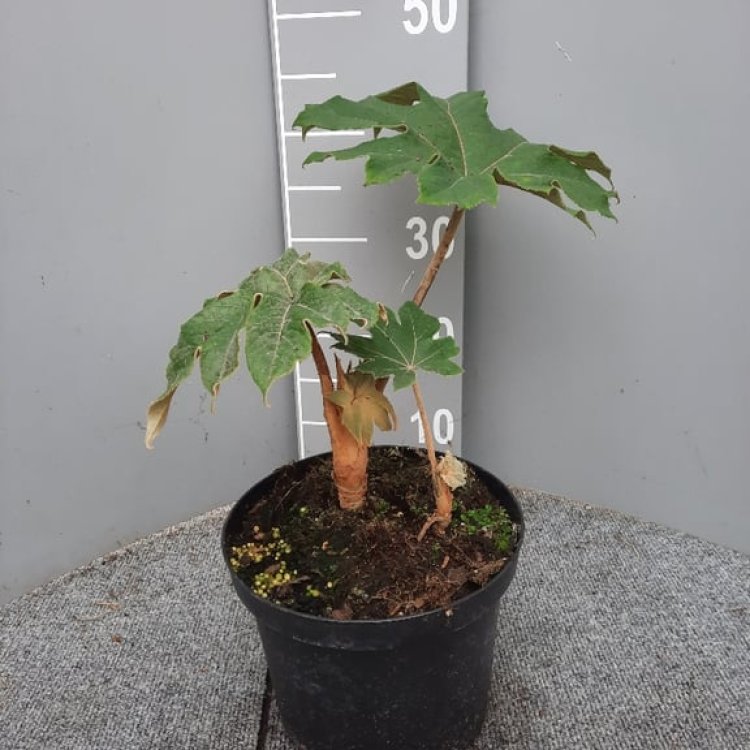
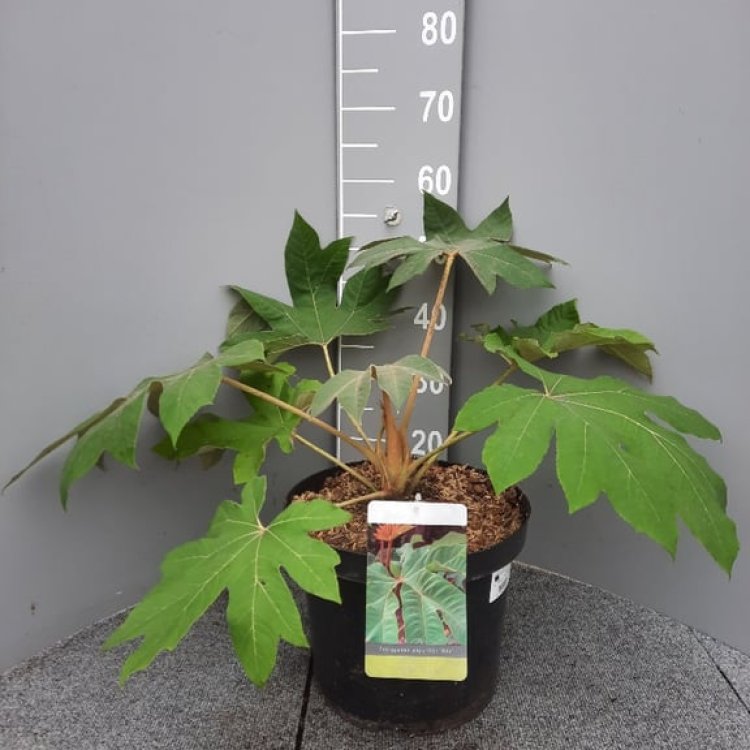
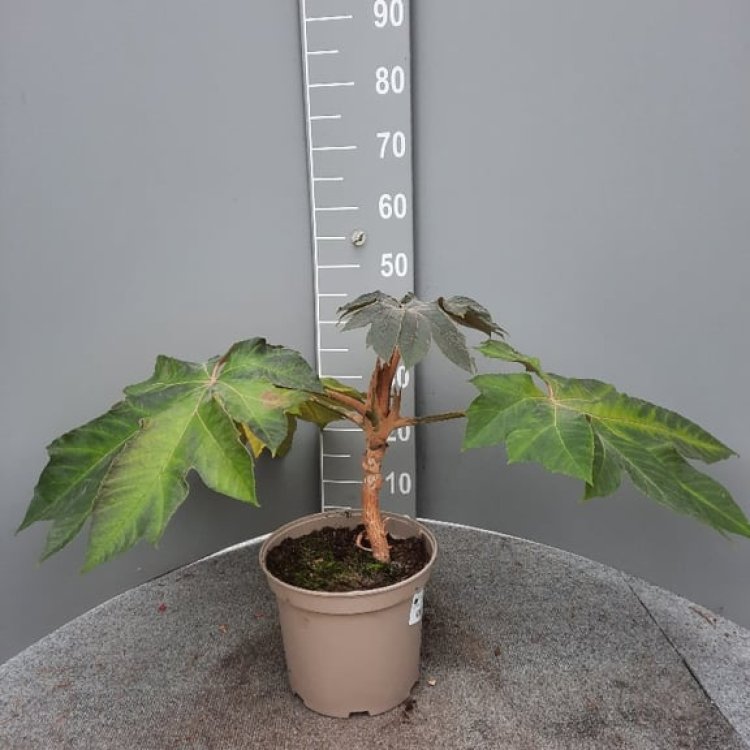
Tetrapanax papyrifer ‘Rex’, also known as the Giant Rice Paper Plant, captivates with its enormous, deeply lobed leaves. This striking perennial brings a touch of the tropics to temperate UK borders. Its rapid growth creates an impressive focal point, transforming garden spaces. Furthermore, it boasts a unique texture, making it a favourite among garden designers. This plant provides an excellent choice for those desiring dramatic foliage.
The botanical name Tetrapanax papyrifer ‘Rex’ holds interesting clues about this plant. ‘Tetrapanax’ combines Greek words, hinting at its link to the ginseng family. ‘Papyrifer’ signifies its historical use. Its pith once made traditional Chinese rice paper. The ‘Rex’ addition, meaning ‘king’ in Latin, aptly describes its regal presence. It also highlights its exceptionally large leaves. These amazing leaves frequently reach up to 60cm across. They boast a distinctive velvety underside. This feature provides a soft, tactile contrast to their sheer scale.
In many UK gardens, this plant behaves as a semi-evergreen or deciduous shrub. Its habit depends on winter severity. It sheds its leaves when temperatures drop significantly. Yet, it reliably regrows new shoots from the base each spring. This resilience makes it a great choice for UK climates.
Beyond its stunning foliage, Tetrapanax papyrifer ‘Rex’ offers subtle beauty with its flowering display. Small, creamy-white flowers emerge in clusters. These appear during late autumn and early winter, often from October to December. Spherical flowerheads stand proudly above the fading leaves. They provide valuable nectar for bees seeking late-season food sources. This supports local ecosystems, even in colder times. Dark, berry-like fruits develop after the flowers. These add further interest to the winter garden.
Gardeners often choose this plant for its bold, architectural form. It stands out beautifully as a specimen plant. Perhaps place it centre stage in a lawn or a large border. Furthermore, its tropical appearance makes it perfect for creating an exotic garden theme. You can also place the Giant Rice Paper Plant at the back of mixed borders. Here, its large leaves provide an excellent backdrop for smaller plants. While generally low-maintenance, light pruning helps manage its size or remove any suckers that may emerge from the base. Always plant it in a sheltered position. This protects its magnificent leaves from strong winds, which could otherwise cause damage.
Hardy across most of the UK except particularly exposed or cold regions.
Provide a sheltered position to protect its large leaves from wind damage. Water regularly, especially during dry periods, to keep the soil consistently moist but not waterlogged. Feed with a balanced general-purpose fertiliser in spring to support vigorous growth. Prune any dead or damaged foliage as needed. Remove suckers from the base regularly to control spread and maintain shape. In colder regions, apply a thick mulch around the base in autumn for winter protection, although it usually regrows from the base if cut back by frost.
This plant is deciduous so it will lose all of its leaves in the autumn and get fresh new foliage each spring.