£9.72 – £12.08Price range: £9.72 through £12.08
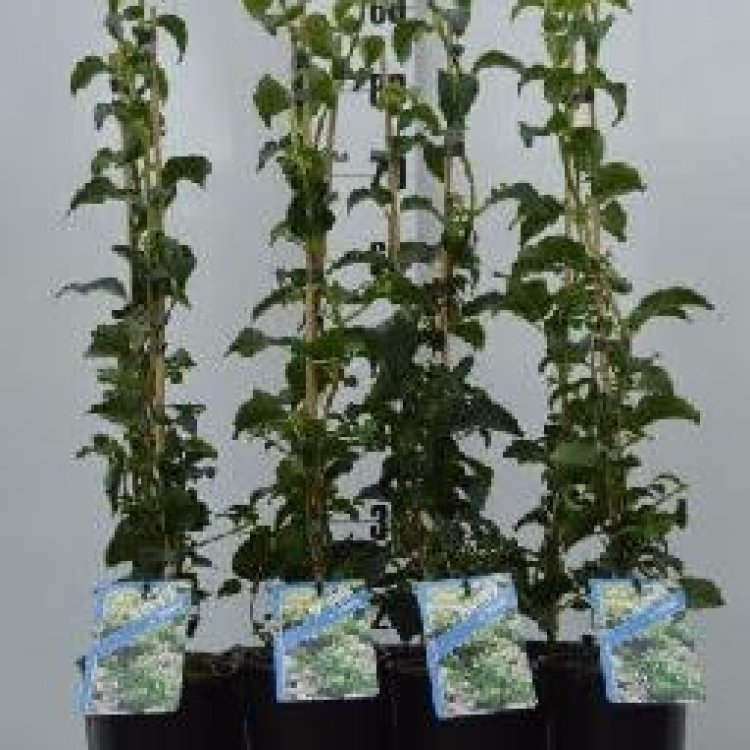
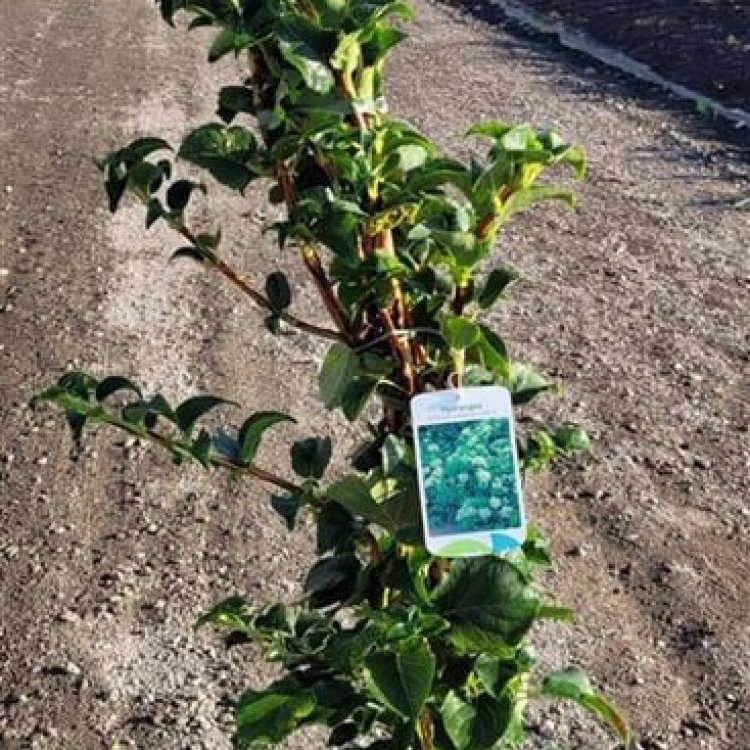
Hydrangea petiolaris, or Climbing Hydrangea, is a self-clinging climber with beautiful white lacecap flowers in summer and vibrant green, heart-shaped leaves. It is perfect for walls, fences, or as groundcover, attracting pollinators to your UK garden.
60 in stock
Hydrangea petiolaris is a fine self-clinging climber, perfect for adding lovely white flowers to walls and fences in UK gardens.
Also known as Climbing Hydrangea, Hydrangea petiolaris brings elegance and a strong climbing habit to any garden setting. This deciduous woody climber hails from the woodlands of Japan, Korea, and Taiwan, where it naturally scales tree trunks. Gardeners love it for its eye-catching white, lacecap flowers and lush green leaves. Since it clings by itself, it attaches easily to surfaces without much help, creating a beautiful green wall covering.
The botanical name, Hydrangea petiolaris, tells us about its look. ‘Hydrangea’ comes from Greek words for ‘water’ and ‘jar’, perhaps for its seed pods or love of moist soil. ‘Petiolaris’ points to its noticeable leaf stalks. This plant comes from East Asia, where it grows well in shady woods. It forms woody stems, which look nice in winter too. This great climber uses strong aerial roots to cling to surfaces. Thus, it needs no extra help once it is settled. People often choose it to make plain walls look softer or to create a green background.
In early summer, Hydrangea petiolaris produces many pretty, flat flowerheads. These white lacecap blooms have small flowers in the middle with bigger, showy ones around them. They make a lovely, foamy show that brightens any shady spot. These flowers are also a good food source for bees and other useful insects, helping garden life thrive.
Its leaves are also very appealing. They are wide and heart-shaped, a bright mid-green through spring and summer. As autumn comes, these leaves turn a nice clear yellow. This adds seasonal colour before they fall. Even after the leaves drop, the brown, peeling bark adds texture and looks good in the winter garden.
Gardeners use Hydrangea petiolaris in many clever ways. It is great as a grand wall climber, sticking easily to bricks or fences without harm. It can also turn an old tree or shed into a lovely feature.
If left to grow without support, it works well as a thick groundcover, stopping weeds over big spaces. This plant needs room to grow big and beautiful. Little cutting is needed, typically just to take off dead bits or to keep it to size and shape after flowering.
When establishing, ensure Hydrangea petiolaris receives regular watering, especially during dry spells. Once mature, it is quite drought tolerant but benefits from moist soil. Feed annually in early spring with a balanced granular fertiliser to promote vigorous growth and flowering. Pruning is generally minimal; remove any dead, damaged, or misplaced stems after flowering to maintain shape or restrict size. This plant is generally pest and disease-free, making it a robust choice for UK gardens.
This plant is deciduous so it will lose all of its leaves in the autumn and get fresh new foliage each spring.