£55.21 – £59.92Price range: £55.21 through £59.92
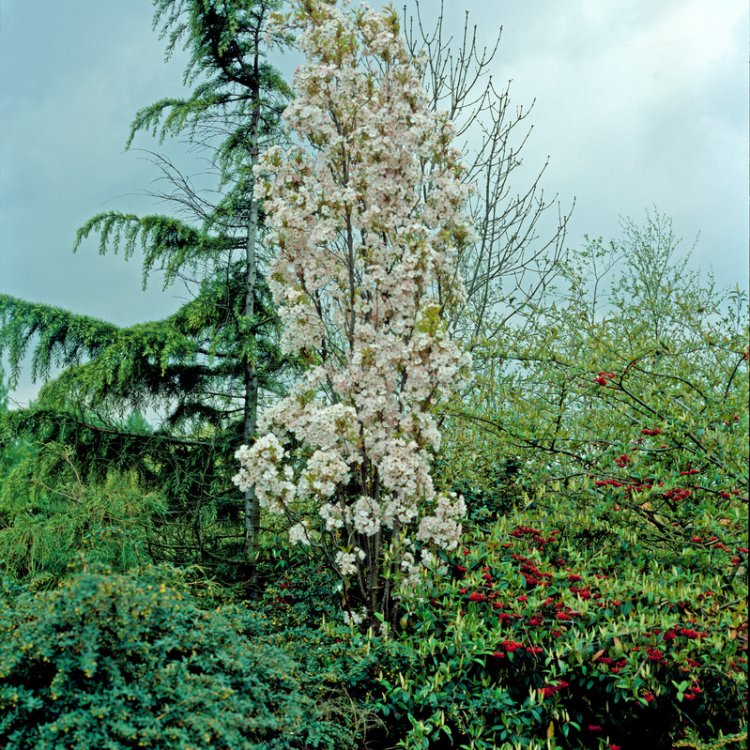
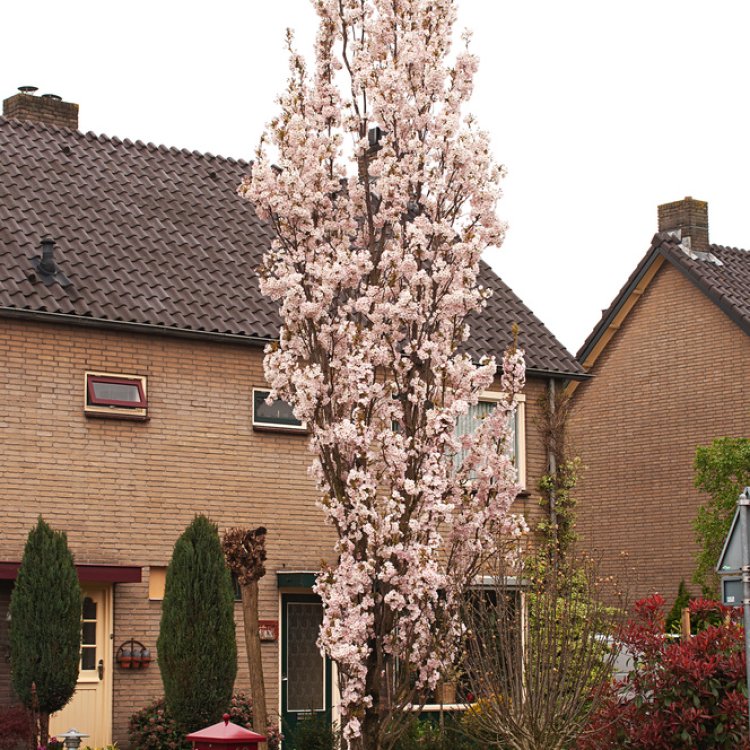
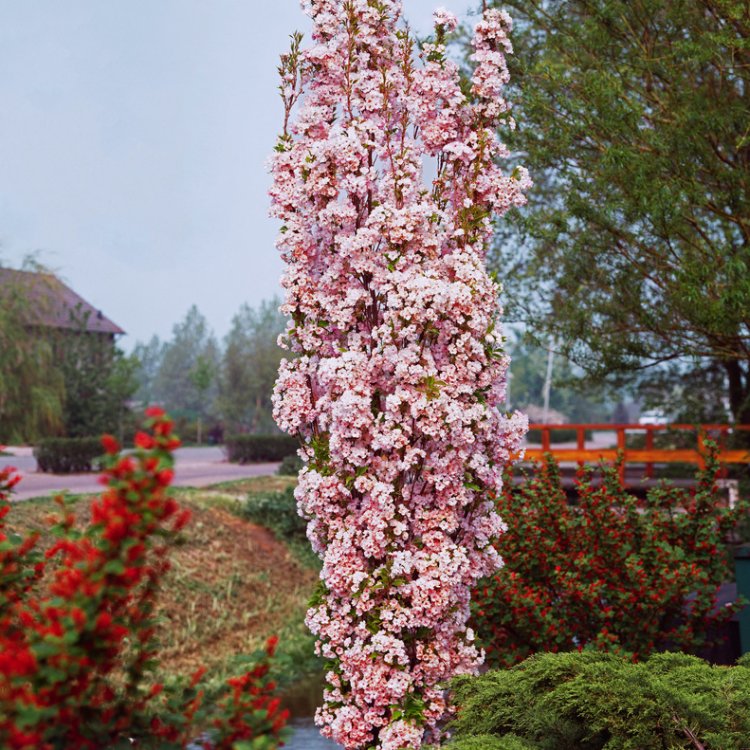
Prunus serrulata ‘Amanogawa’, the Amanogawa Cherry, is a superb columnar tree. It offers stunning shell-pink spring flowers and attractive autumn foliage. Perfect for adding vertical elegance to any UK garden, especially smaller spaces, its unique form provides year-round interest.
4 in stock
Discover the elegant beauty of Prunus serrulata ‘Amanogawa’, a stunning columnar Japanese flowering cherry perfect for any UK garden seeking vertical interest.
This exceptional tree, often called ‘Amanogawa Cherry’, graces gardens with its unique upright form. It is ideal for smaller spaces or adding a striking vertical accent. Its breathtaking spring blossom creates a spectacle, making it a truly desirable plant. This cultivar brings traditional Japanese elegance to British landscapes, offering a beautiful display without demanding much horizontal room.
‘Amanogawa’ translates to “River of Heaven” or “Milky Way” in Japanese, reflecting its celestial beauty. This popular cultivar of the Japanese flowering cherry (Prunus serrulata) is renowned for its very narrow, upright growth. It offers a graceful silhouette even in winter. Gardeners often choose this specific variety for its ability to fit into tight spots where wider trees would be unsuitable. Its unique form makes it a stand-out feature in various garden designs.
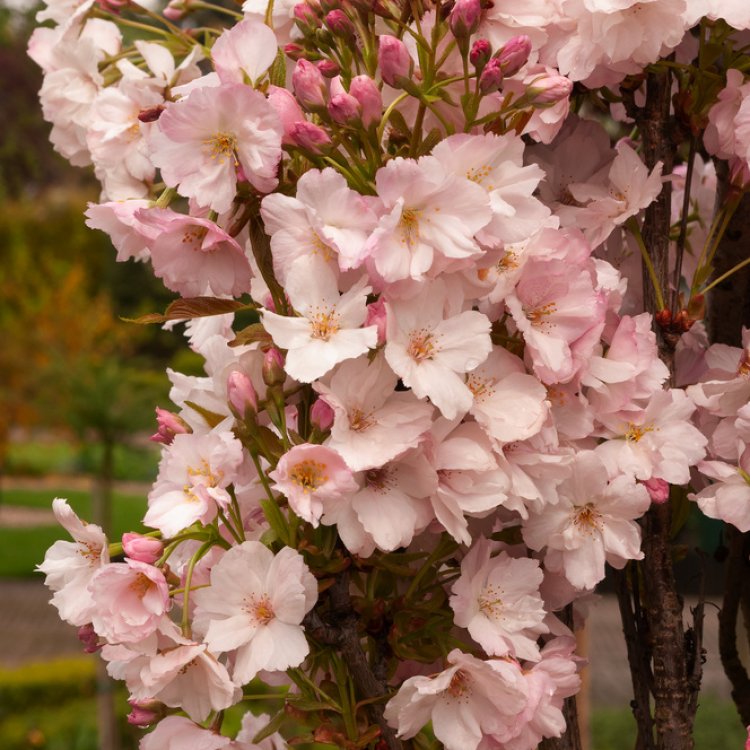
Each spring, Prunus serrulata ‘Amanogawa’ bursts into life with a profusion of pale, shell-pink blossoms. These semi-double flowers are a delicate hue and appear in clusters, often before the new leaves fully unfurl. Their soft colour stands out beautifully against the emerging green foliage. As summer progresses, the leaves maintain a fresh green shade. Later, in autumn, they transform into glorious bronze and orange tones, adding another season of interest to your garden. This provides year-round appeal.
Due to its slender form, the ‘Amanogawa Cherry’ tree serves many purposes in a UK garden. Plant it to line a path, create a graceful boundary, or simply provide an elegant focal point. It thrives in urban environments and smaller plots, easily fitting into narrow borders or large decorative pots. This tree ensures visual impact without demanding much horizontal space. Its distinct vertical line draws the eye upwards, enhancing garden design and providing structure.
This Prunus serrulata ‘Amanogawa’ tree provides valuable early spring nectar for local wildlife. Bees and butterflies are drawn to its abundant flowers, supporting local ecosystems. Generally, it needs minimal pruning. Remove any dead, damaged, or crossing branches in late summer to early autumn. This simple practice helps maintain its health and characteristic shape, ensuring many years of enjoyment.
Very hardy. Tolerates temperatures typical of a continental winter.
Plant in well-drained soil in a sunny or partially sunny spot. Water regularly during dry spells, especially in the first few years. Feed annually with a balanced fertiliser in spring. Prune only to remove dead, diseased, or crossing branches, ideally in late summer to early autumn to avoid silver leaf disease. Minimal pruning is typically needed to maintain its columnar shape.
This plant is deciduous so it will lose all of its leaves in the autumn and get fresh new foliage each spring.