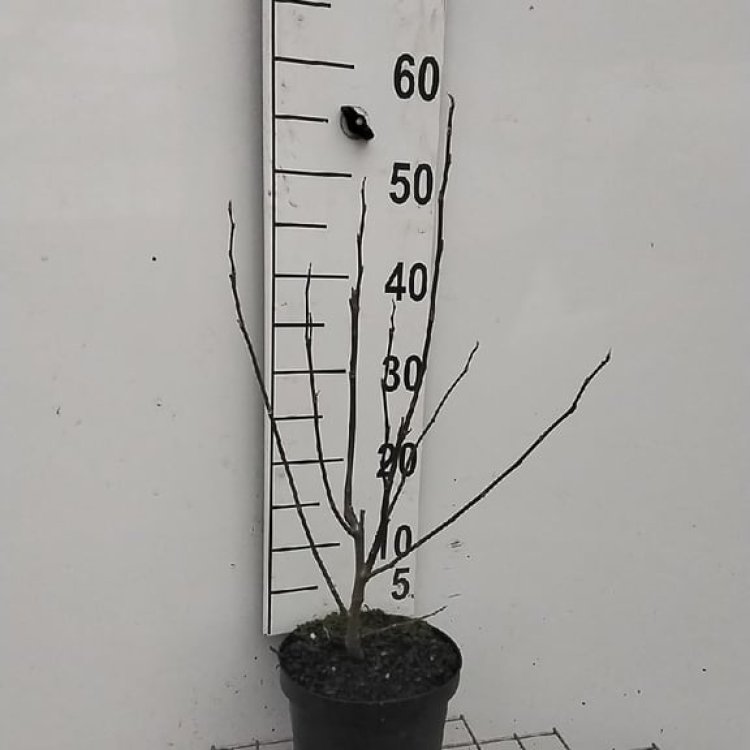
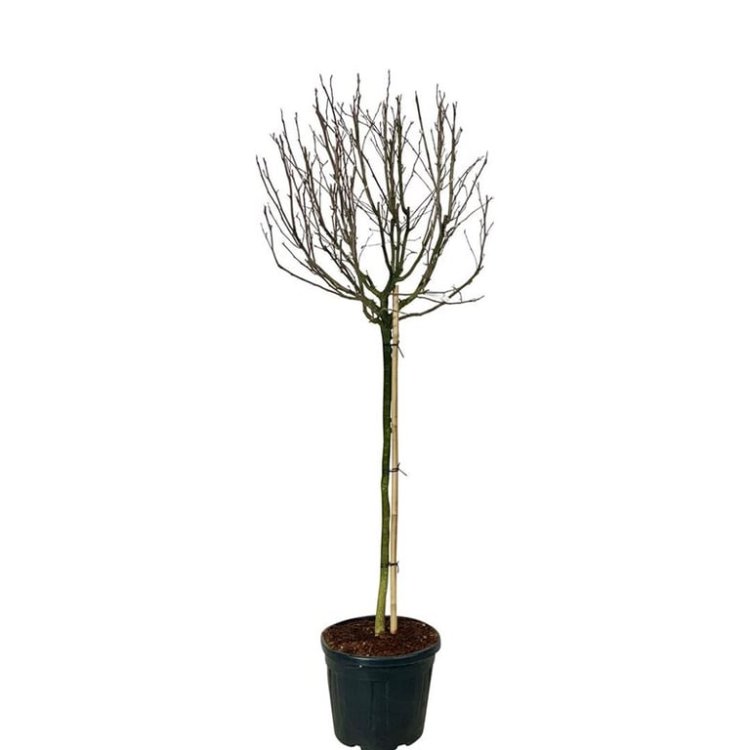
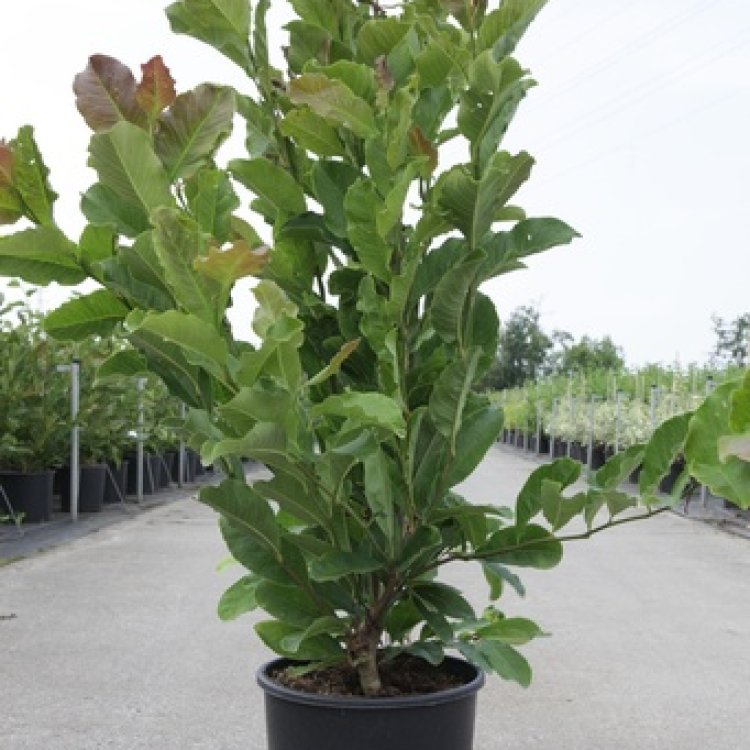
£28.58 – £30.94Price range: £28.58 through £30.94
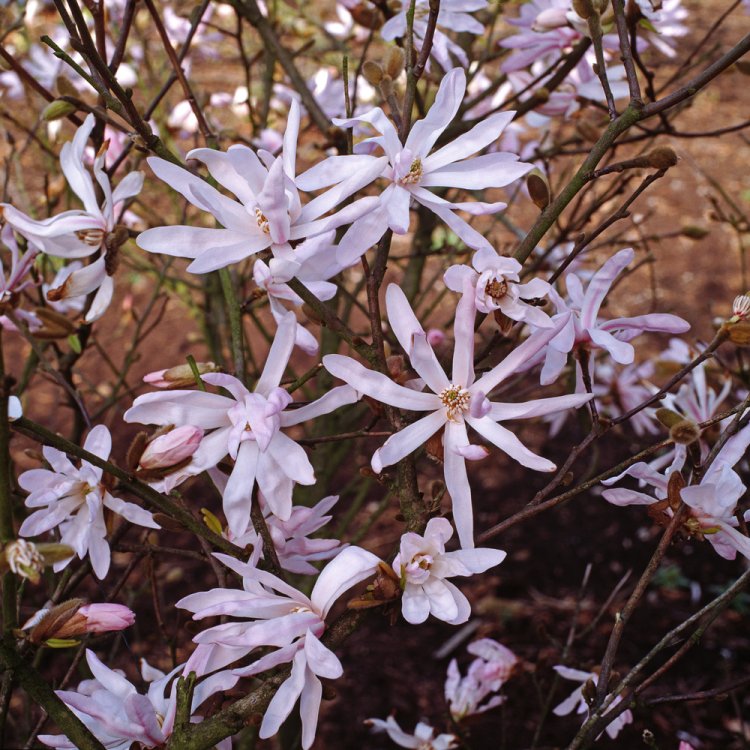
Magnolia stellata ‘Rosea’ graces UK gardens with exquisite, soft pink, star-shaped flowers in early spring. This compact, deciduous shrub offers early charm, a delicate fragrance, and supports pollinators. Perfect for borders or containers.
80 in stock
Magnolia stellata ‘Rosea’ heralds spring with its exquisite, soft pink, star-shaped flowers. This compact shrub or small tree offers early garden charm.
Originating from Japan, the Star Magnolia, or Pink Star Magnolia, is a much-loved choice for UK gardens. It provides an early burst of colour, often flowering before other plants even stir. Its delicate blooms, which emerge on bare branches, create a truly stunning display. This deciduous plant is relatively easy to care for and adapts well to various garden styles, offering beauty and a subtle fragrance as spring begins.
Magnolia stellata ‘Rosea’, often known as the Pink Star Magnolia, is a highly cherished plant. Its name ‘stellata’ perfectly describes its star-shaped flowers, whilst ‘Rosea’ highlights their beautiful pink hue. This cultivar offers slightly larger and more vibrant pink blooms than the classic white Magnolia stellata. It originated from Japan, admired for its early spring beauty.
The true spectacle of Magnolia stellata ‘Rosea’ begins in early spring, typically around March to April in the UK. Its bare branches burst forth with a profusion of delicate, multi-petalled flowers. Each bloom features numerous narrow, strap-like petals that unfurl outwards. This creates a distinctive star-like appearance. Furthermore, these exquisite flowers carry a light, pleasant fragrance, adding to their allure.
Following the magnificent floral display, bright green, oval-shaped leaves emerge. These leaves provide a lovely backdrop throughout the summer months. As autumn arrives, they often transition into attractive shades of yellow before dropping. This signifies the plant’s deciduous nature.
Due to its compact and slow-growing habit, Magnolia stellata ‘Rosea’ proves highly versatile for many garden settings. You can plant it as a charming specimen shrub in a mixed border, allowing its early blooms to truly shine. Alternatively, its modest size makes it an excellent choice for smaller gardens or even for growing in large containers on a patio.
The plant develops a rounded, bushy form naturally, needing very little intervention. Pruning is rarely necessary. However, you can remove any dead, damaged, or crossing branches after flowering if required. This helps maintain its attractive shape. Importantly, its early spring flowers provide a valuable source of nectar and pollen for early emerging bees and other essential pollinators. Thus, it offers a vital food source when other plants are yet to bloom, supporting garden biodiversity.
Water newly planted Magnolia stellata 'Rosea' regularly to establish root growth, keeping the soil consistently moist but not waterlogged. Once established, it requires less frequent watering. Apply a generous mulch of well-rotted compost or manure around the base in spring, keeping it away from the stem, to retain moisture and provide nutrients. Pruning is generally minimal; however, remove any dead, damaged, or crossing branches immediately after flowering to maintain shape and plant health. Protect early blooms from very late, hard frosts if forecast, although 'Rosea' is relatively robust. This plant is generally pest and disease resistant, making it an easy-care choice for UK gardens.
This plant is deciduous so it will lose all of its leaves in the autumn and get fresh new foliage each spring.