£23.99 – £25.63Price range: £23.99 through £25.63
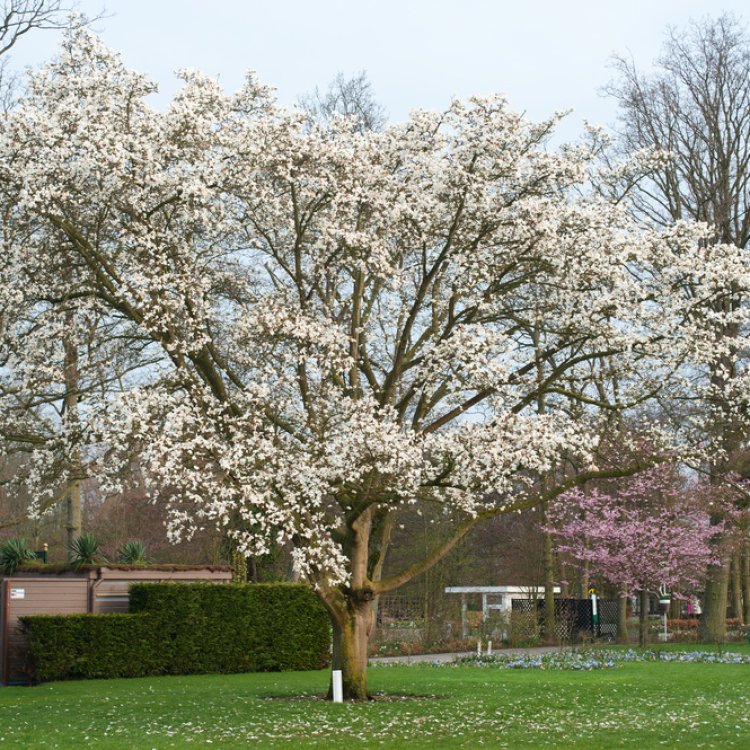
Magnolia kobus, the Kobus Magnolia, offers a breathtaking early spring display of pure white, star-shaped flowers before its leaves. This hardy deciduous tree provides vital early nectar for bees and adds stunning seasonal beauty to UK gardens.
15 in stock
Discover the breathtaking beauty of Magnolia kobus, a superb deciduous tree showcasing stunning white, star-shaped flowers each spring in UK gardens.
The Magnolia kobus, also known as the Kobus Magnolia, brings elegant charm to any garden. This striking tree offers a spectacular display of blooms before its leaves emerge, marking the arrival of spring. Originating from Japan and Korea, it thrives well in the UK climate, growing into a magnificent specimen. Furthermore, its graceful form and seasonal interest make it a true garden highlight. Gardeners value this magnolia for its resilience and captivating floral show.
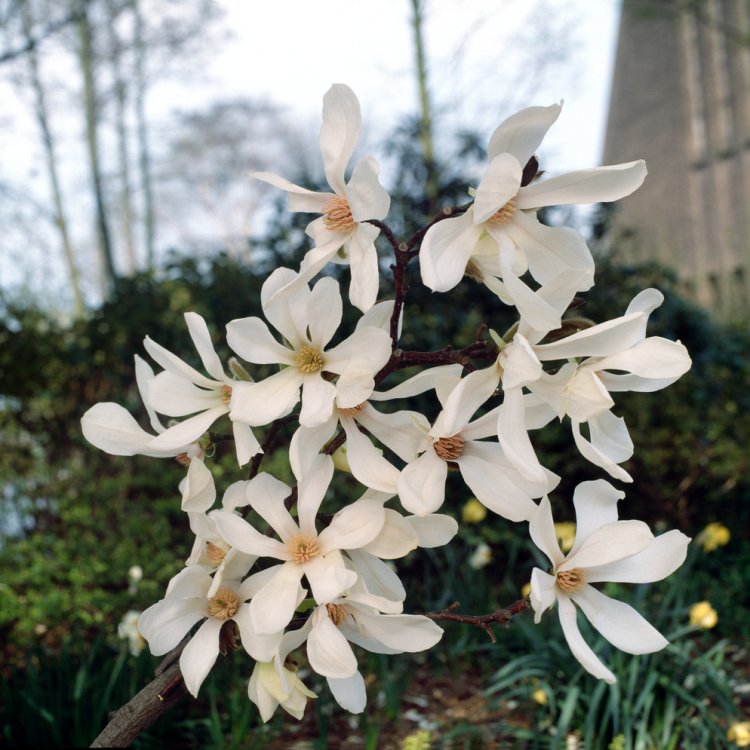
The Magnolia kobus is a magnificent sight as winter recedes. Its large, white, often lightly fragrant flowers emerge from late March through April, before the leaves unfurl. These blooms start as elegant goblets, then open wide to reveal their starry form, measuring 7-10 cm across.
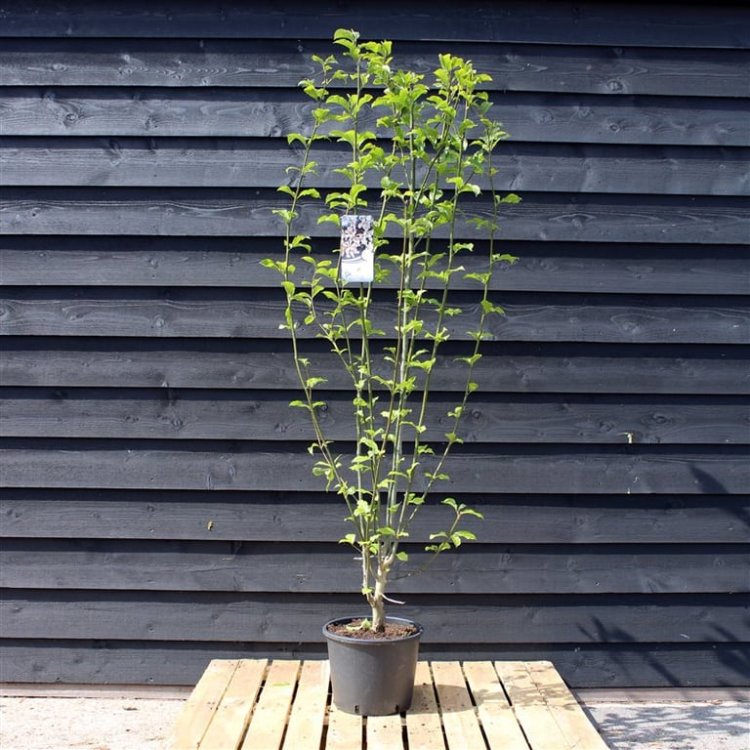
Following this floral spectacle, glossy green, obovate leaves appear, creating a lush canopy that provides shade throughout the summer months. As autumn approaches, these leaves transform, displaying warm yellow and bronze tones, adding another layer of seasonal interest to your garden.
This resilient tree is an excellent choice for UK gardeners. It prefers a position in full sun to partial shade, ideally sheltered from strong, cold winds which can damage the delicate early blossoms. The Kobus Magnolia thrives in moist, well-drained, fertile soil that leans towards neutral or acidic.
It dislikes shallow, chalky conditions, so improve heavy clay or very sandy soils with organic matter before planting. Furthermore, regular watering is crucial during its establishment phase, especially in dry spells.
Generally, pruning is not extensively required. However, you can remove any dead, diseased, or crossing branches in late summer, after flowering has finished, to maintain its health and shape. Avoid pruning in spring as sap can bleed freely.
The Magnolia kobus makes a superb specimen tree, standing proudly alone to showcase its beauty. It also fits wonderfully into larger borders or woodland-style gardens, creating a stunning focal point. Its early flowering habit is a significant advantage for local wildlife. Bees, awakening from their winter slumber, eagerly visit the blossoms to collect nectar, helping to support the ecosystem. This tree not only enhances the aesthetic appeal of your garden but also contributes positively to its biodiversity. Its robust nature and stunning display ensure it remains a cherished addition for many years.
Very hardy. Tolerates temperatures typical of a continental winter.
Water regularly during its first year, especially during dry periods, to ensure establishment. Once mature, it is quite drought-tolerant but benefits from watering in prolonged dry spells. Apply a balanced, slow-release fertiliser in early spring, particularly for younger trees. Pruning is generally minimal; remove any dead, diseased, or crossing branches in late summer after flowering to avoid sap bleed. Protect early blossoms from late frosts in very exposed sites, though this is rarely necessary in the UK for established specimens. Mulch annually with organic matter to retain soil moisture and suppress weeds.
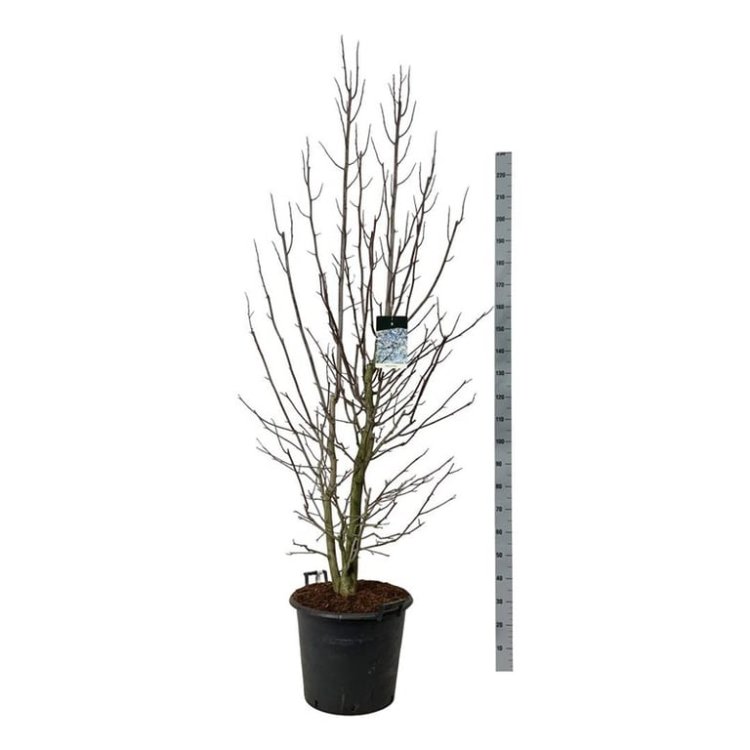
This plant is deciduous so it will lose all of its leaves in the autumn and get fresh new foliage each spring.