£29.21 – £30.40Price range: £29.21 through £30.40
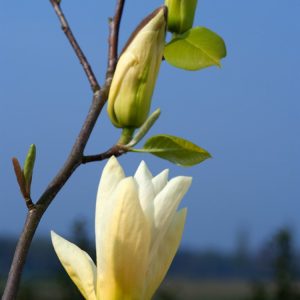
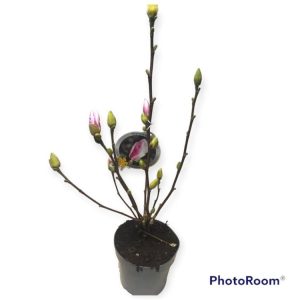
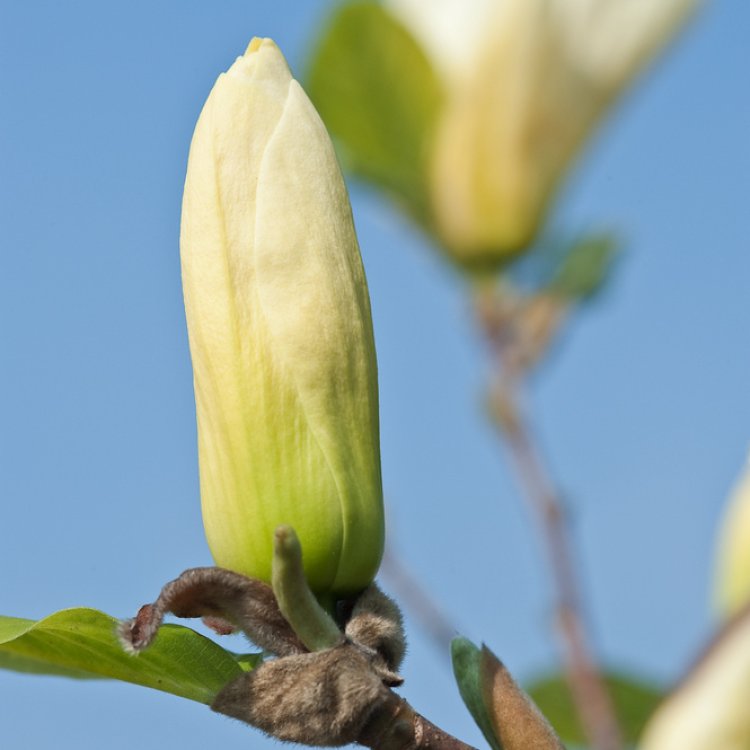
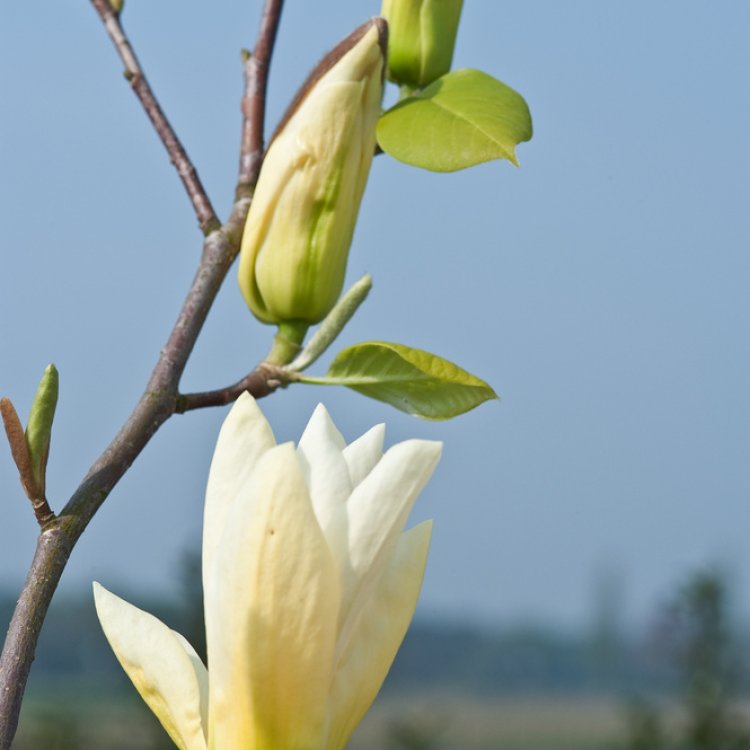
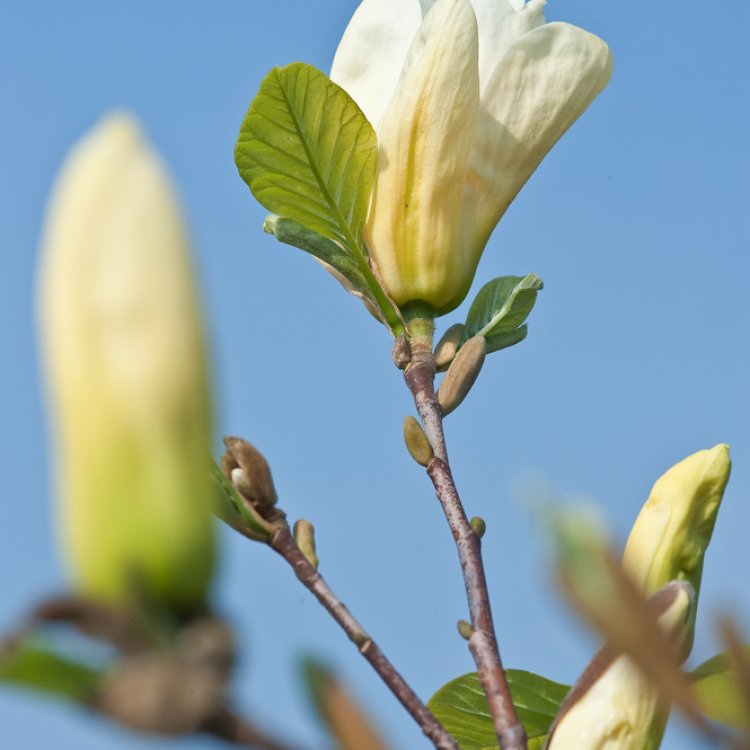
Magnolia denudata Yellow River is a striking deciduous tree, admired for its early spring display of goblet-shaped, lemon-yellow flowers on bare branches. Perfect for adding vibrant colour to any UK garden.
7 in stock
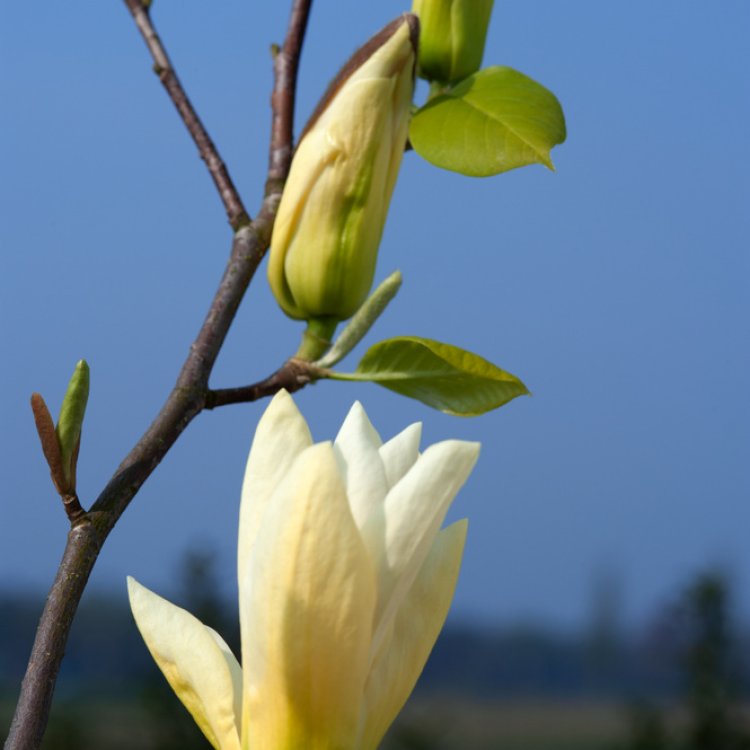
The magnificent Magnolia denudata Yellow River heralds spring with its upright, goblet-shaped, lemon-yellow flowers, bringing vibrant colour to any UK garden.
This striking deciduous tree is a cultivar of the revered Yulan Magnolia, known botanically as Magnolia denudata. Its name, ‘Yellow River’, perfectly captures the abundant flow of pale yellow blossoms that appear long before its leaves unfurl. Originating from China, where magnolias hold significant cultural importance, this variety offers a refreshing take on the classic white Yulan Magnolia. Gardeners across the UK admire its early spring display, making it a focal point in any landscape. It truly transforms a garden in late winter or early spring.
This superb Magnolia denudata Yellow River is a horticultural gem, celebrated for its unique colour amongst the early-flowering magnolias. The specific epithet ‘denudata’ means ‘naked’ or ‘bare’, which refers to the magnificent flowers appearing on bare branches before the foliage develops. ‘Yellow River’ is a cultivar selected for its distinct pale yellow, almost creamy, blooms, setting it apart from its white-flowered ancestors. Each flower is substantial, possessing a graceful, goblet-like form that opens wide in the sunshine.
The flowering spectacle of Magnolia denudata Yellow River commences in March. It often continues through April, depending on local conditions in the UK. These brilliant yellow blooms emerge in profusion, creating a stunning visual impact against the grey backdrop of a late winter garden. As the flowers mature, they may gradually fade to a lighter, creamy yellow.
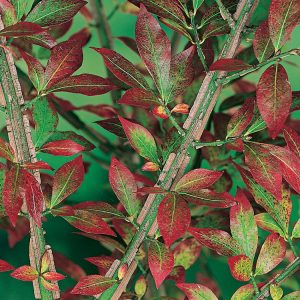
Following this dazzling floral show, the tree unfurls its large, ovate, mid-green leaves. These provide a lush, green canopy throughout the warmer months. Then, the foliage turns a soft yellow or bronze in autumn prior to dropping.
This magnolia is perfect for a range of garden settings. It performs beautifully as a standalone specimen tree, showcasing its full glory when planted in a prominent position. Furthermore, it works well at the back of a large mixed border, providing vertical interest and an early season highlight.
Magnolia denudata Yellow River is an excellent choice for cottage gardens, formal landscapes, and even woodland-style plantings. Its early spring flowers are a vital source of nectar and pollen for early waking bees, such as bumblebees. This makes the plant a valuable addition to any wildlife-friendly garden.
Maintaining the shape and health of Magnolia denudata Yellow River is generally straightforward. Typically, it requires minimal pruning. You should only remove dead, damaged, or crossing branches. The best time for this light pruning is immediately after flowering finishes.
This avoids removing the precious flower buds that form on old wood during the summer. Such careful management helps to maintain the tree’s natural elegant form and ensures a spectacular floral display each spring.
Very hardy. Tolerates temperatures typical of a continental winter.
Provide a sheltered site. Water well during dry periods, especially when establishing. Mulch annually with organic matter. Prune minimally after flowering to remove dead or crossing branches.
This plant is deciduous so it will lose all of its leaves in the autumn and get fresh new foliage each spring.