£7.00 – £7.72Price range: £7.00 through £7.72
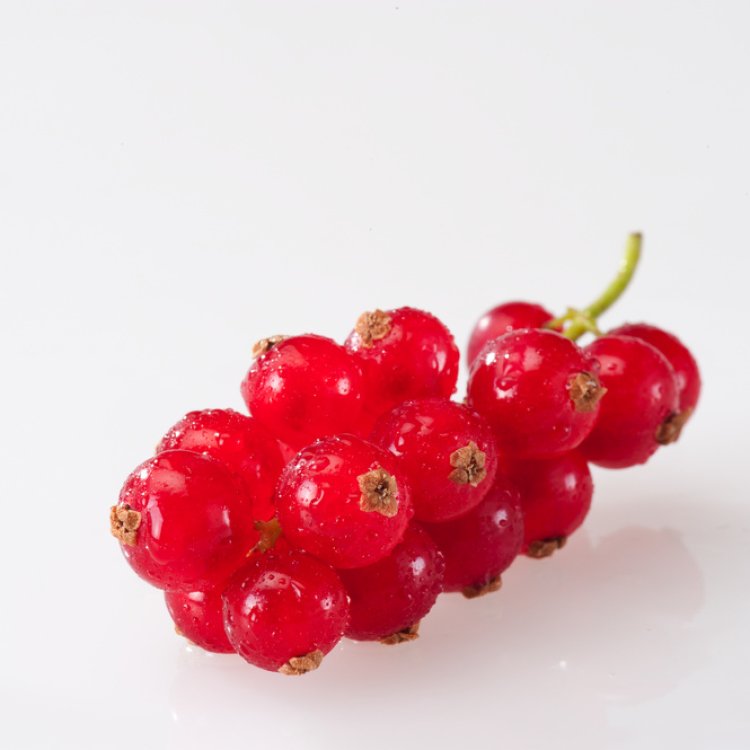
Grow Ribes rubrum, or Redcurrant, for abundant clusters of vibrant, tart red berries. This easy-to-grow deciduous shrub provides delicious fruit and attracts pollinators, making it a wonderful and productive addition to UK gardens.
43 in stock
Redcurrant is a popular deciduous shrub. It brings a burst of colour to any garden, especially during the summer months. These attractive plants are valued for their clusters of bright red, juicy berries. Gardeners across the UK enjoy growing them for both their ornamental beauty and their delicious, tangy fruit. This versatile plant also supports local wildlife, making it a wonderful addition to a diverse garden.
The botanical name Ribes rubrum identifies this charming plant. It belongs to the Grossulariaceae family, which includes other currants and gooseberries. The name ‘Ribes’ comes from an old Danish word. It likely referred to redcurrants specifically. The term ‘rubrum’ is Latin, meaning ‘red.’ This clearly describes the plant’s most notable feature. Its striking red berries stand out beautifully.
Originating from parts of Europe and Asia, Ribes rubrum has been cultivated for centuries. Consequently, it has become a cherished staple in British gardens. This plant forms a medium-sized, upright shrub. It provides structure and appeal in many garden settings.
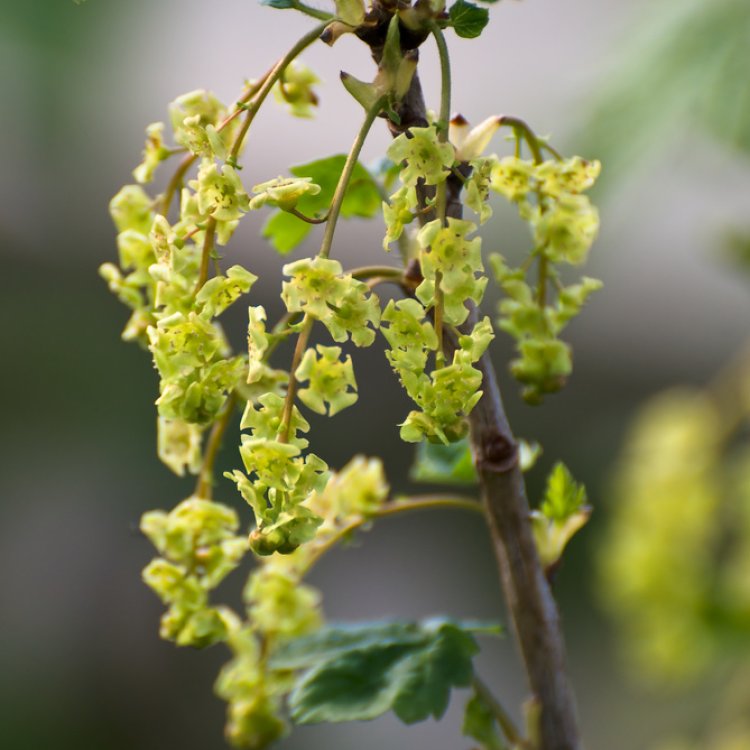
Ribes rubrum begins its annual cycle with fresh green foliage in spring. Its lobed leaves create a dense, healthy canopy. Soon after, small, bell-shaped flowers emerge. These are often greenish-yellow and not particularly showy. Yet, they are vital for the plant’s productivity.
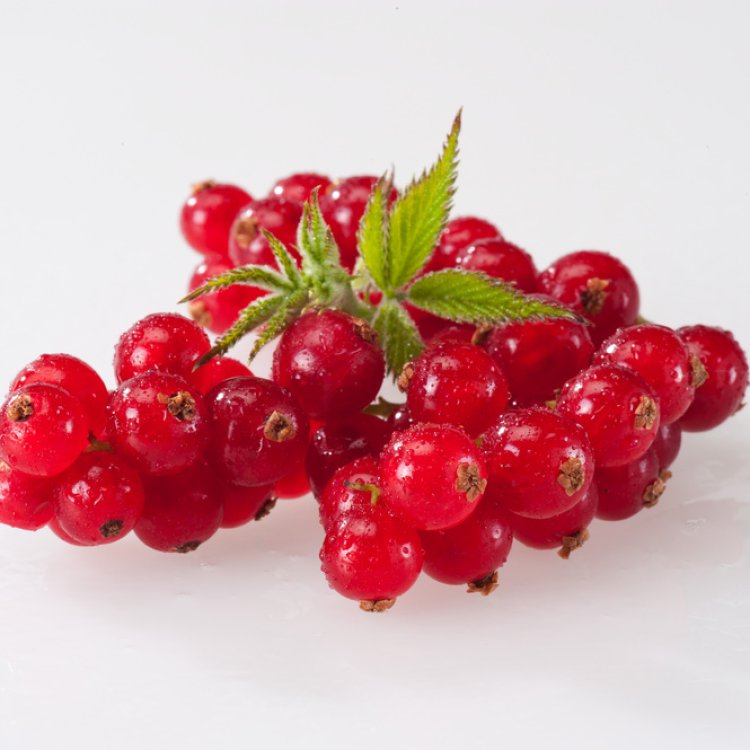
These flowers attract essential pollinators, such as bees, ensuring a good harvest. Following successful pollination, tiny green berries start to form. Over early summer, they ripen into their characteristic glossy, translucent red. The fruit hangs in elegant clusters, making them easy to pick. They offer a tart yet refreshing flavour, perfect for culinary uses.
Redcurrants are highly adaptable in the garden. For instance, you can plant them in a dedicated fruit garden or a productive fruit cage. They also make excellent informal hedges. These provide both privacy and delicious produce.
Many gardeners choose to train Ribes rubrum as a cordon or espalier. This involves growing them against a wall or fence. This method saves space and looks very decorative. In addition, the bright berries add a splash of colour to mixed borders.
The plant’s flowers provide an early source of nectar for bees. Later, the ripe berries may attract birds to your garden. This makes Ribes rubrum a valuable asset for supporting garden biodiversity and attracting local wildlife.
Regular pruning is beneficial for redcurrant plants. It helps maintain a good shape and encourages consistent fruit production. Typically, gardeners prune Ribes rubrum after the harvest in summer. Alternatively, they prune it during the dormant winter months.
The main aim is to remove older, less productive stems. This allows new, vigorous shoots to develop. Such careful management ensures a healthy, productive shrub year after year. As a result, your Ribes rubrum will continue to thrive and yield delicious fruits.
Very hardy. Tolerates temperatures typical of a continental winter.
Ribes rubrum thrives with regular attention. Water well, especially during dry spells and when fruit is developing, to ensure juicy berries. Apply a balanced granular fertiliser around the base in early spring to support healthy growth and fruit production. Prune annually to maintain an open structure and encourage new fruiting wood; this is best done after harvest in summer or during the dormant period in winter. Remove old, unproductive stems and any dead, diseased, or crossing branches. Watch out for common pests like aphids and gooseberry sawfly, and treat promptly if observed.
This plant is deciduous so it will lose all of its leaves in the autumn and get fresh new foliage each spring.