£40.21
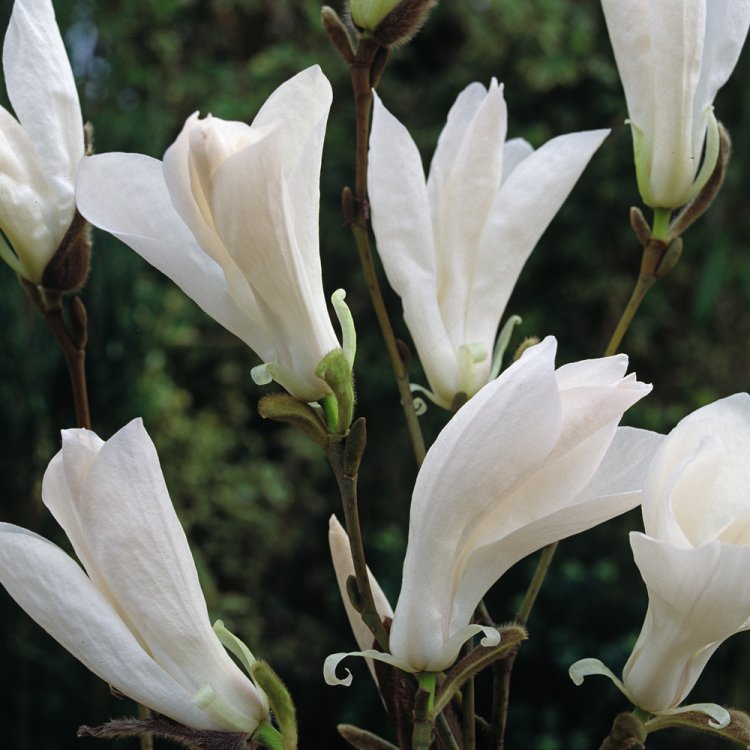
Magnolia ‘Wada’s Memory’ is a magnificent deciduous tree, cherished for its spectacular early spring display. It produces large, fragrant, pure white, star-shaped flowers, often with a pink blush. This elegant specimen is perfect as a focal point, offering early nectar for pollinators.
4 in stock
Magnolia ‘Wada’s Memory’ is a truly magnificent specimen, celebrated for its spectacular early spring floral display, bringing elegance to any UK garden.
This beautiful deciduous tree promises an unrivalled show as winter fades. Its stunning blooms reliably herald the arrival of spring. Discovered by Mr. Wada in Japan, this cultivar offers a sophisticated touch. Gardeners across the UK cherish its reliable, show-stopping performance year after year. Furthermore, it forms a graceful, upright tree, becoming a cherished centrepiece.
This remarkable magnolia cultivar owes its name to Mr. Wada, a distinguished nurseryman from Japan. He discovered this particular variety in his collection during the mid-20th century. Its unique qualities and robust nature quickly gained recognition. Indeed, ‘Wada’s Memory’ was specifically chosen for its outstanding floral display. This heritage ensures a plant of proven beauty and resilience for your garden.
Magnolia ‘Wada’s Memory’ is truly celebrated for its exceptional flowers. Each spring, before its leaves appear, the tree bursts into life. Large, star-shaped blooms emerge from elegant goblet buds. These flowers are typically pure white, often showing a delicate flush of pink at their base. Moreover, they release a light, pleasant fragrance. The early timing of this display makes it a welcome sight. It signals the true beginning of the gardening year in the UK.
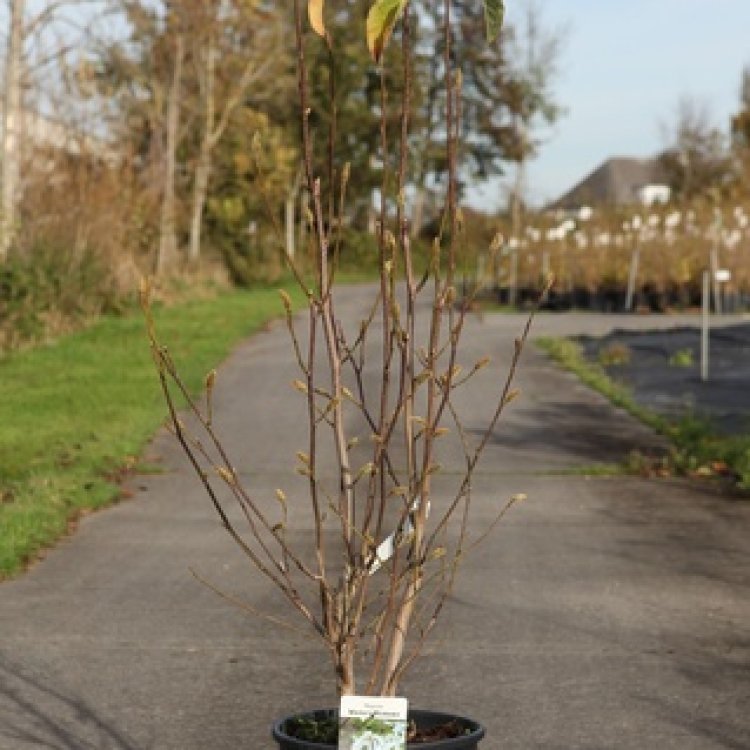
Following the stunning floral show, the foliage unfurls. New leaves initially emerge with an appealing bronze hue. They soon mature into a fresh, vibrant green, providing a lush backdrop throughout summer. As a deciduous tree, it sheds its leaves in autumn. This cycle prepares it for another dramatic spring. The tree naturally develops an upright, somewhat conical form when young. Over time, it matures into a broader, more spreading specimen. This majestic structure makes it a valuable garden addition.
Consider planting this magnolia as a striking focal point in your lawn. Alternatively, integrate it into a large mixed border where its spring display can truly shine. Its significant size at maturity means it needs space to develop fully. Furthermore, its early flowers provide crucial nectar for early emerging bees and other pollinators, supporting local wildlife. Generally, minimal pruning is required for Magnolia ‘Wada’s Memory’. Remove only dead, damaged, or crossing branches after flowering. This maintains its natural, graceful shape.
Very hardy. Tolerates temperatures typical of a continental winter.
Water well during the first few years after planting to establish a strong root system, keeping the soil consistently moist, especially during dry spells. Apply a balanced, slow-release granular fertiliser in early spring, ideally formulated for acid-loving plants. Magnolias generally require minimal pruning; remove any dead, diseased, or crossing branches in late summer after flowering. Site in a sheltered position, away from harsh winds and late spring frosts, which can damage early flowers. A layer of mulch around the base helps retain soil moisture and regulate temperature.
This plant is deciduous so it will lose all of its leaves in the autumn and get fresh new foliage each spring.