£28.13 – £38.72Price range: £28.13 through £38.72
Magnolia ‘Susan’ is a beautiful deciduous shrub, bringing delightful fragrance and stunning purplish-red, goblet-shaped flowers to UK gardens each spring. Its compact size makes it perfect for borders or as a striking specimen, often reblooming in summer.
94 in stock
Magnolia ‘Susan’ is a captivating deciduous shrub, celebrated for its stunning spring blossoms and delightful fragrance, perfect for UK gardens.
Bring early colour to your garden with Magnolia ‘Susan’. This popular shrub offers a magnificent display each spring. Gardeners across the UK value its vibrant flowers and compact growth habit. It truly brightens borders and small spaces alike. Its elegant form and rich blooms make it a highly desirable plant for many garden styles.
Magnolia ‘Susan’ belongs to the esteemed ‘Little Girl’ series of magnolias. This series was developed in the 1950s at the U.S. National Arboretum. Specifically, ‘Susan’ originated from a cross between Magnolia liliiflora ‘Nigra’ and Magnolia stellata ‘Rosea’. The plant received its name after one of the hybridizers’ daughters, reflecting its charm and delicate beauty. This lineage provides its distinctive colour and shape, while also contributing to its robust nature.
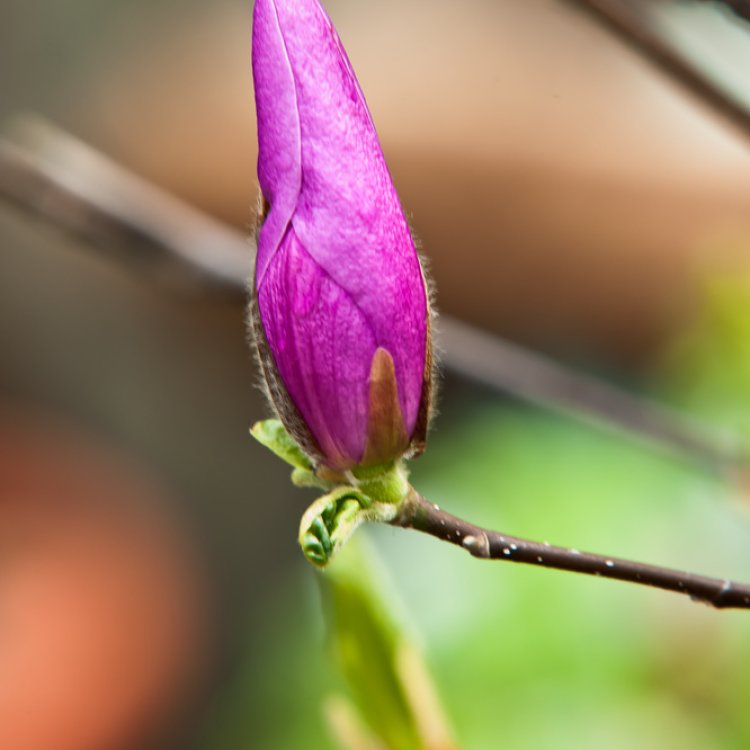
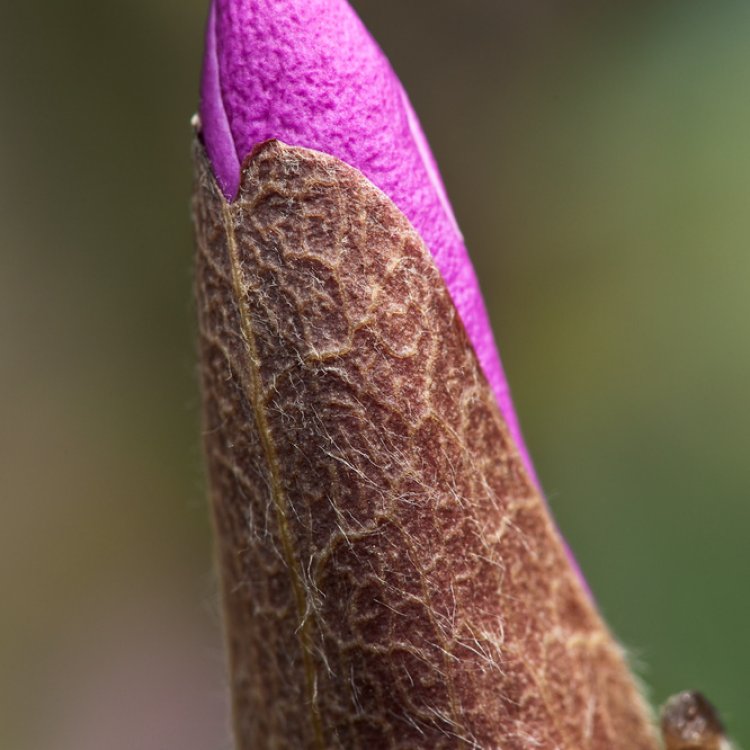
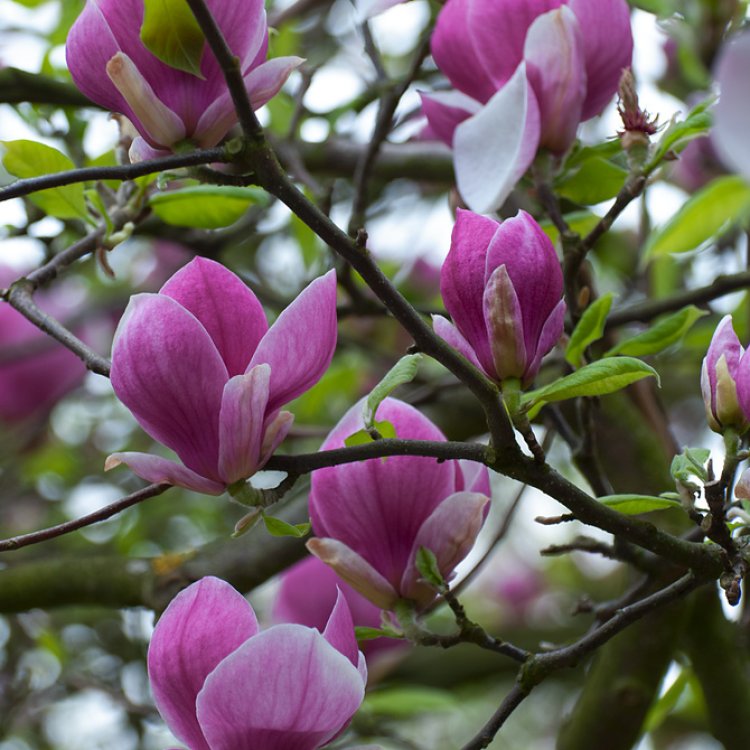
The blossoms of Magnolia ‘Susan’ are truly special. They emerge before the leaves, creating a dramatic spring spectacle. Each flower is goblet-shaped and quite large. They boast a striking purplish-red hue on the outside. Inside, the petals reveal a lighter, rosy-pink shade. These flowers also emit a pleasant, subtle scent. Consequently, they offer an added sensory delight to your garden. Furthermore, ‘Susan’ often reblooms in late summer, giving a second flush of flowers when conditions are favourable. Its medium green leaves follow the flowering period, providing a lush backdrop for the rest of the growing season. In autumn, the foliage typically turns an attractive yellow before falling.
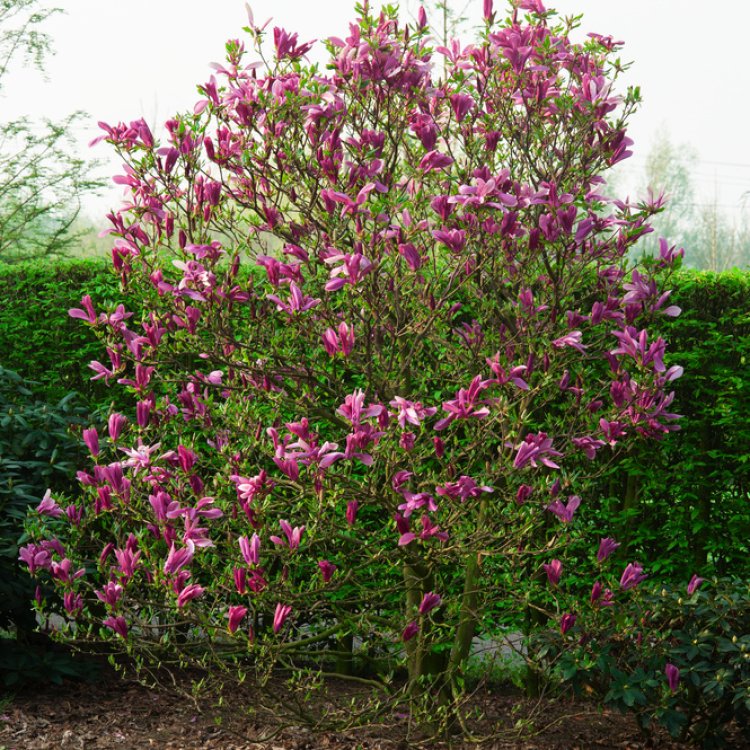
Gardeners use Magnolia ‘Susan’ in various ways. Its compact, upright habit makes it excellent as a standalone specimen. You can plant it in a mixed shrub border where it provides significant spring interest. It also suits smaller gardens and courtyards very well. Moreover, it can thrive in large containers when young, allowing for flexible placement. This plant offers beauty without taking up too much space. It truly enhances many garden designs.
Pruning requirements for Magnolia ‘Susan’ are minimal. Generally, you only need to remove any dead, damaged, or crossing branches. You should do this immediately after the main flowering period has finished. This timing ensures you do not cut off the following year’s flower buds. Light shaping can occur at this time if needed. However, severe pruning is usually unnecessary. This keeps the plant healthy and encourages its natural, attractive form.
This beautiful magnolia also supports local wildlife. Its early spring flowers provide an important source of nectar. Bees and other early pollinators appreciate this valuable food. They visit the blossoms, gathering sustenance when other flowers are still emerging. Therefore, planting Magnolia ‘Susan’ contributes to the biodiversity of your garden, making it a good choice for wildlife enthusiasts.
Hardy in all of the UK and northern Europe. Suitable for exposed sites.
Keep soil consistently moist, especially during dry spells and in the first year after planting. Apply a balanced slow-release fertiliser in spring. Prune only to remove dead, damaged, or crossing branches immediately after the main flowering period to avoid losing next year's blooms. Shelter from strong, cold winds which can damage flowers.
This plant is deciduous so it will lose all of its leaves in the autumn and get fresh new foliage each spring.