£53.93 – £56.29Price range: £53.93 through £56.29
Magnolia ‘Elizabeth’ is a stunning deciduous tree, boasting beautiful lemon-yellow, goblet-shaped flowers in early spring. This elegant magnolia creates a magnificent focal point in any UK garden, providing an early burst of vibrant colour.
101 in stock
Magnolia ‘Elizabeth’ is a magnificent deciduous tree, cherished for its spectacular lemon-yellow flowers in early spring, bringing vibrant colour to any UK garden.
This distinguished magnolia cultivar offers an early burst of sunshine. It grows into a graceful, medium-sized tree, ideal for making a bold statement. Its charming flowers emerge on bare branches, truly signalling the arrival of spring. The tree’s elegant form ensures year-round appeal.
Key Features of Magnolia ‘Elizabeth’:
Magnolia ‘Elizabeth’ is an award-winning cultivar, a celebrated hybrid developed at the Brooklyn Botanic Garden. This particular variety was introduced in 1977. It was specifically bred to produce beautiful yellow magnolia flowers. This colour was both rare and highly sought-after. Its naming pays tribute to Elizabeth van Brunt, a significant benefactor of the garden.
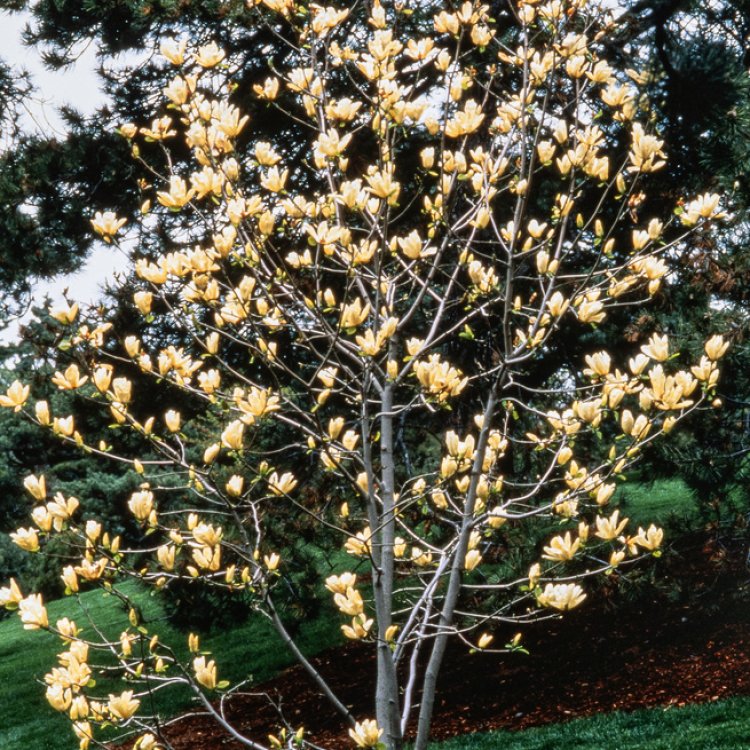
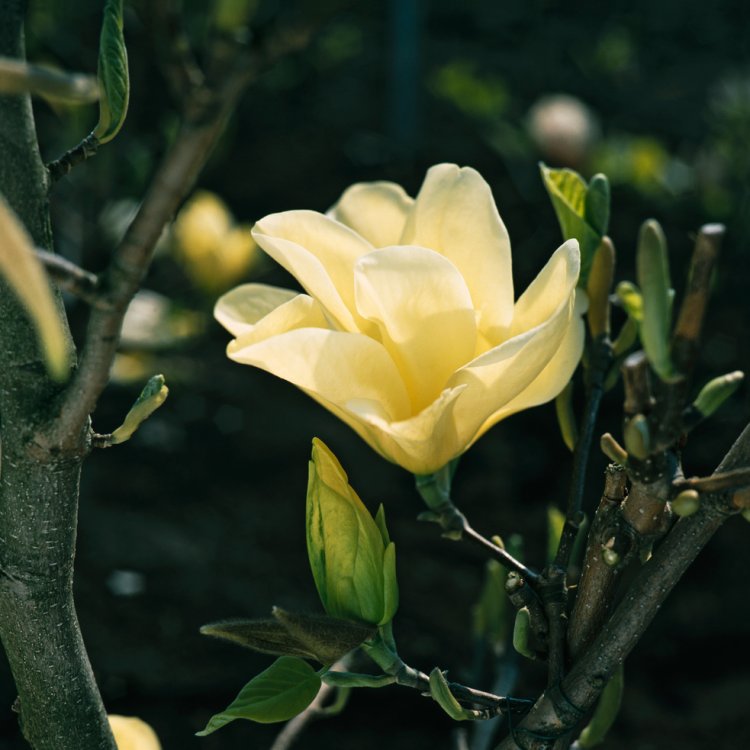
In early spring, often before other trees show signs of life, Magnolia ‘Elizabeth’ bursts into bloom. Its large, cup-shaped flowers unfold to a soft, creamy yellow. Sometimes, they deepen to a clear lemon hue. These blossoms provide a striking contrast against its bare, architectural branches. This early display signals spring’s arrival.
After flowering, large, ovate, mid-green leaves emerge. They form a lush canopy through summer. Furthermore, they often turn attractive shades of yellow in autumn before finally falling.
Magnolia ‘Elizabeth’ truly shines as a magnificent specimen tree. It creates a superb focal point in a lawn. Similarly, it works well within a large border. Gardeners frequently choose this magnolia for its dramatic early spring impact. It also performs well in larger informal gardens or woodland-style settings. Here, its impressive stature can be fully appreciated.
Pruning for Magnolia ‘Elizabeth’ is generally minimal. You should remove any dead, damaged, or crossing branches. This task is best done right after flowering. Doing so avoids cutting off next year’s potential blooms. Light formative pruning can also occur at this time to maintain its elegant shape.
The early flowers offer a valuable nectar source for early emerging bees. These vital pollinators appreciate the early food. It contributes to garden biodiversity.
Very hardy. Tolerates temperatures typical of a continental winter.
Watering: Keep soil consistently moist, especially during dry spells and in the first few years after planting. Avoid waterlogging.
Feeding: Apply a balanced slow-release fertiliser in early spring, particularly for young trees or those in poor soil. Use ericaceous feed if soil is alkaline.
Pruning: Prune minimally. Remove dead, damaged, or crossing branches immediately after flowering to prevent the loss of next year's blooms. Light formative pruning can also occur at this time.
Pest/Disease: Generally robust. Watch for magnolia scale and honey fungus (especially in poorly drained soil). Aphids can sometimes affect new growth.
This plant is deciduous so it will lose all of its leaves in the autumn and get fresh new foliage each spring.