£45.41 – £47.77Price range: £45.41 through £47.77
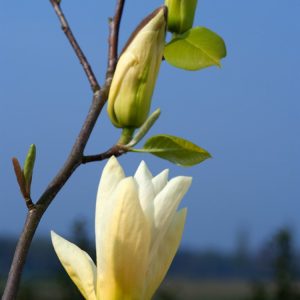
Magnolia denudata Fragrant Cloud is a magnificent deciduous tree. It offers intensely fragrant, pure white, goblet-shaped flowers in early spring. This splendid Yulan Magnolia enhances any UK garden with its beauty and sweet aroma.
52 in stock
Discover Magnolia denudata Fragrant Cloud, a truly magnificent deciduous tree. It offers an early spring display of intensely fragrant, pure white blooms.
This splendid magnolia cultivar brings elegance to any UK garden. Originating from China, the species Magnolia denudata has been cherished for centuries. Its name, meaning ‘naked’, refers to flowers appearing before leaves. ‘Fragrant Cloud’ enhances this beauty with exceptionally perfumed blooms. It transforms gardens into a haven of scent and sight. This plant signals the end of winter and the joyful arrival of spring.
Magnolia denudata Fragrant Cloud stands as a cherished harbinger of spring. Its striking, goblet-shaped flowers emerge on bare branches. This creates a breathtaking spectacle. These large, pristine white blossoms unfold generously. They present a clean and elegant appearance. Furthermore, each flower exudes a powerful, sweet fragrance. This delightful aroma fills the garden, enchanting all who experience it. The cultivar name, ‘Fragrant Cloud’, aptly describes its perfume.
The species name, denudata, refers to this captivating habit. The blooms appear first, showcasing their beauty fully. This happens before the glossy green leaves unfurl. This sequence ensures the flowers become the undisputed stars of the early spring garden. As a result, the tree offers dynamic visual change through the seasons.
This magnolia typically develops into an attractive small tree or a substantial, multi-stemmed shrub. It naturally forms an appealing, open framework. This contributes to its elegant silhouette. Gardeners often plant Magnolia denudata Fragrant Cloud as a stunning specimen tree. This allows its form and flowers to be fully appreciated. It also performs wonderfully as a focal point in a lawn. Or, you can place it at the back of a large border. Its mature size suits gardens with adequate space. There, it can develop its full stature.
You do not typically prune this plant unless shaping is required. Also remove dead or damaged wood. If pruning is necessary, carry it out immediately after flowering. This minimises impact on the next year’s blooms. Furthermore, its early flowers provide valuable nectar for early-emerging bees. This makes it a wonderful choice for supporting local wildlife. Its presence truly enriches the biodiversity of a UK garden.
Very hardy. Tolerates temperatures typical of a continental winter.
Plant in a sheltered spot to protect early blooms from late frosts and strong winds. Ensure soil is well-drained, fertile, and slightly acidic to neutral. Water regularly during dry spells, especially in the first few years after planting. Apply a generous mulch of well-rotted organic matter around the base in spring to retain moisture and suppress weeds. Prune only if necessary to remove dead, diseased, or crossing branches, or to maintain shape; do this immediately after flowering to avoid sacrificing next year's buds.
This plant is deciduous so it will lose all of its leaves in the autumn and get fresh new foliage each spring.