£4.18 – £4.88Price range: £4.18 through £4.88
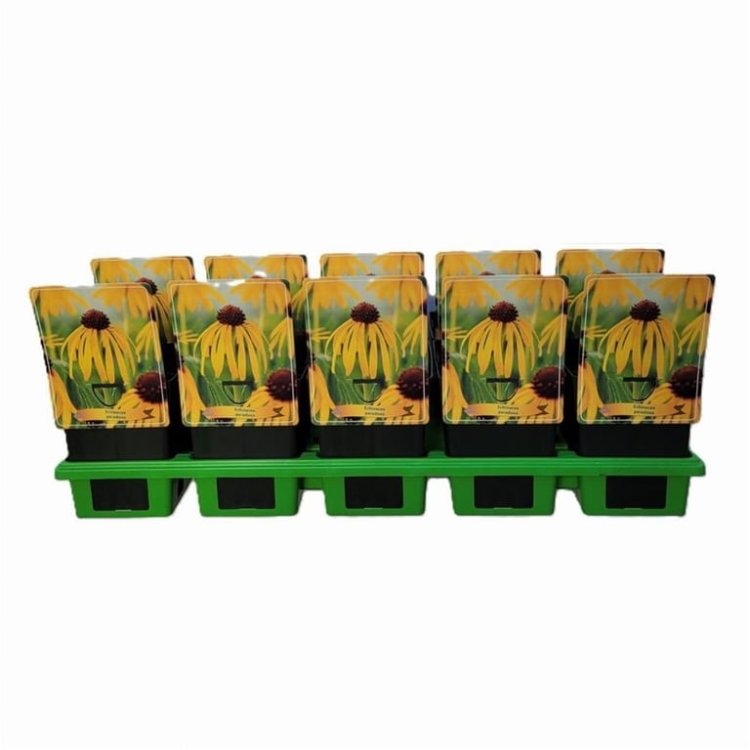
Echinacea paradoxa, the Yellow Coneflower, delivers vibrant golden-yellow blooms from July to September. This unique perennial attracts bees and butterflies, thriving in full sun with well-drained soil. It offers long-lasting colour and architectural interest in UK gardens.
349 in stock
Echinacea paradoxa, the remarkable Yellow Coneflower, brings a vibrant splash of golden yellow to British gardens, offering unique charm and attracting beneficial wildlife.
Experience the striking beauty of Echinacea paradoxa, a truly distinctive herbaceous perennial. Its bright, sunny disposition transforms borders and prairie-style plantings, creating a cheerful, inviting atmosphere. This robust plant offers season-long interest, from its summer blooms through to architectural seed heads in winter, making it a valuable addition to any UK garden. It is known for attracting many pollinators, boosting garden biodiversity.
Echinacea paradoxa stands out within its genus. Most Echinacea species feature pink or purple flowers. However, this particular plant boasts stunning golden-yellow ray florets. These petals elegantly droop downwards, creating a distinctive profile. A prominent, dark brown cone sits at the centre of each bloom, providing a strong contrast. This plant forms an upright clump of sturdy, leafy stems. It generally reaches heights of 0.6 to 0.9 metres, spreading up to 0.6 metres wide.
The name ‘paradoxa’ reflects its unusual colour. It translates from Latin as “paradoxical” or “unexpected.” This perfectly describes its surprising yellow blooms among its typically purple relatives. This captivating plant originates from the dry, open woodlands and prairies of the Ozark Mountains in North America. It thrives in sunny, well-drained locations.
Echinacea paradoxa flourishes in the British climate. It delivers a magnificent display of flowers from July right through to September. To ensure the best performance, plant Echinacea paradoxa in a position receiving full sun. It can also tolerate partial sun conditions, especially during the hottest part of the day. This plant prefers well-drained soil types, including sandy, loam, and even chalky soils. Avoid heavy, waterlogged conditions as these can cause issues.
Gardeners often choose this plant for its versatility. Use it to edge sunny borders or create striking drifts in meadow-style gardens. Its strong stems also make it an excellent choice for cutting, bringing its cheerful charm indoors. Furthermore, Echinacea paradoxa is a magnet for wildlife. Bees and butterflies eagerly visit its nectar-rich flowers. As autumn progresses, the spent flower heads offer valuable food for various bird species, especially finches, adding another layer of seasonal interest.
This hardy perennial requires minimal pruning. You can deadhead spent blooms to encourage more flowers and prolong the display. Alternatively, leave the seed heads intact over winter. This provides both food for birds and architectural structure in the garden. Then, cut back the faded foliage in early spring before new growth emerges.
Hardy in all of the UK and northern Europe. Suitable for exposed sites.
Water Echinacea paradoxa regularly until it establishes. Once established, it becomes quite drought tolerant. Deadhead spent flowers throughout the summer to encourage new blooms and extend the flowering period. Alternatively, leave seed heads intact over winter to provide food for birds and add architectural interest. Cut back the old foliage in early spring before new growth appears. Ensure the plant is in well-drained soil to prevent root rot, particularly during wetter winter months.