£4.12 – £6.48Price range: £4.12 through £6.48
Lonicera pileata, the Box-leaved Honeysuckle, is a versatile evergreen shrub. It provides year-round interest with dense, glossy foliage. Perfect for ground cover, low hedges, and attracting pollinators in UK gardens. An adaptable and resilient choice.
250 in stock
Discover Lonicera pileata, the resilient Box-leaved Honeysuckle, a superb evergreen shrub ideal for diverse garden applications across the UK.
Lonicera pileata, commonly known as Box-leaved Honeysuckle, offers a brilliant solution. Gardeners seek an attractive, low-maintenance, and versatile evergreen. This plant brings year-round interest and structure to outdoor spaces. It naturally forms a dense, spreading carpet of foliage. This proves invaluable for ground cover, particularly in challenging areas. Its discreet charm and adaptability make it a popular choice for both novice and experienced gardeners.
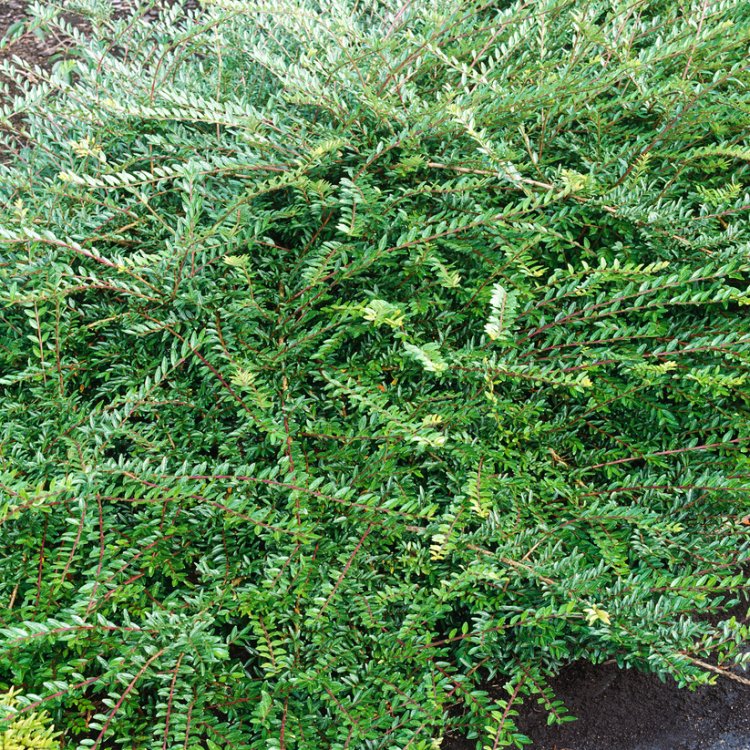
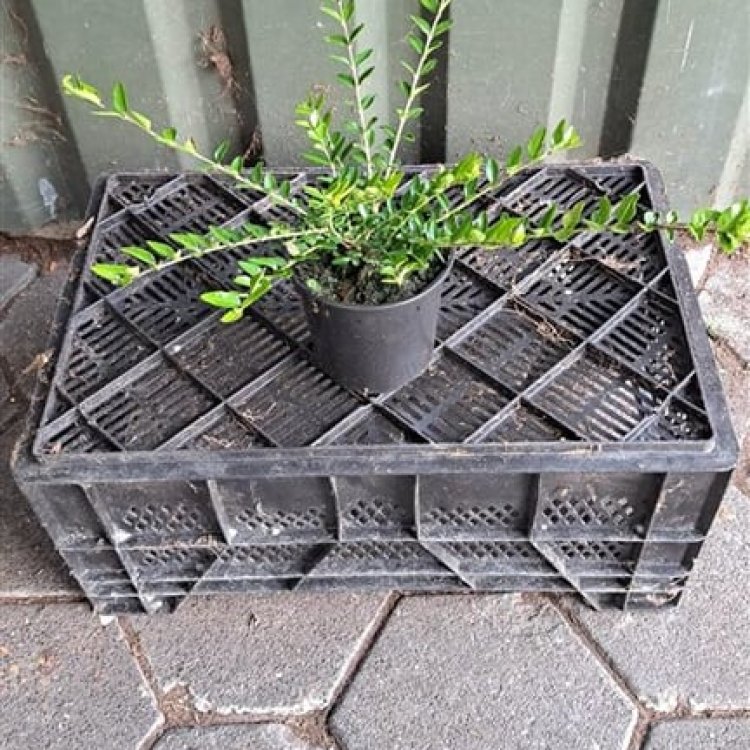
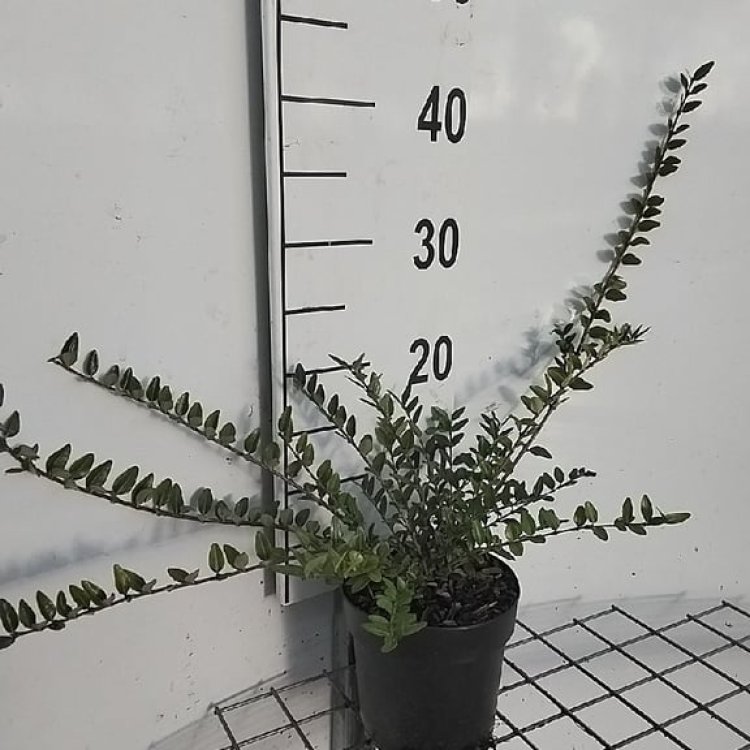
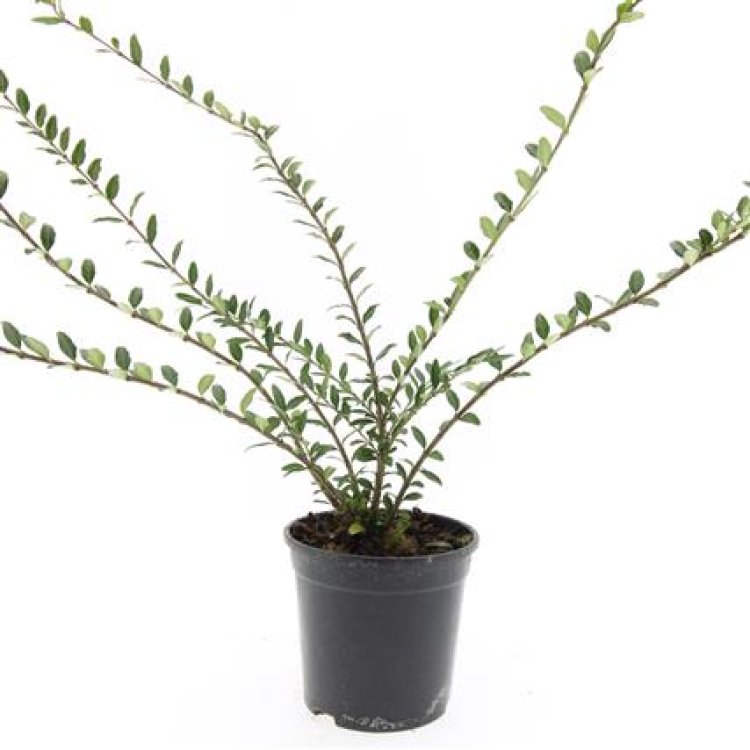
The Box-leaved Honeysuckle (*Lonicera pileata*) is a delightful addition to UK gardens. It is known for its superb versatility. This evergreen shrub forms a lovely carpet of small, ovate, dark green leaves. These resemble box hedging, explaining its common name. The foliage remains vibrant throughout all seasons. This ensures continuous visual appeal in your garden borders or beneath larger trees.
The genus name, Lonicera, honours Adam Lonicer. He was a distinguished German botanist and physician. He lived in the 16th century. The specific epithet, pileata, means ‘capped’ or ‘helmeted’. This description possibly relates to the shape of the bracts around the flowers or berries. Its botanical name tells a story of its discoverer and a key physical characteristic.
Throughout late spring and early summer, Lonicera pileata produces small, creamy-white flowers. These blooms are often inconspicuous, nestled among the dense leaves. However, they carry a subtle, pleasant fragrance. Bees and other vital pollinators appreciate these flowers. This makes the plant a good choice for wildlife-friendly gardens. Following the flowers, sparse, small, purple berries may develop in autumn. These berries add another layer of interest and provide food for local bird populations.
This adaptable shrub excels in numerous garden roles. Its low, spreading habit makes it an outstanding choice for ground cover. It effectively suppresses weeds. At the same time, it creates an attractive, verdant mat. Furthermore, gardeners often use Lonicera pileata for low hedging. It also helps to edge pathways and borders.
It performs well on banks or slopes, aiding soil stabilisation. Moreover, it can thrive in areas where other plants struggle. An example is dry shade once established. Gardeners can easily prune Lonicera pileata. Regular trimming maintains a neat shape, particularly for formal edging. This plant responds well to shaping, making it very manageable.
Very hardy. Tolerates temperatures typical of a continental winter.