£35.77 – £37.40Price range: £35.77 through £37.40
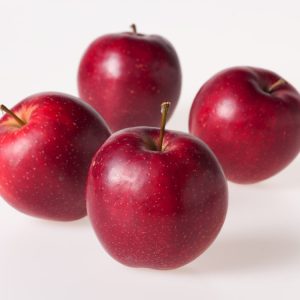
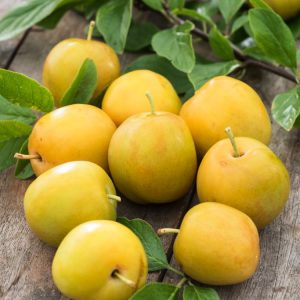
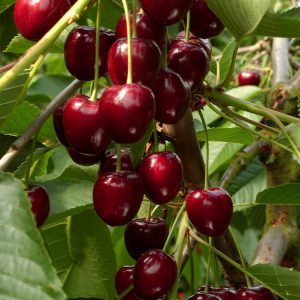
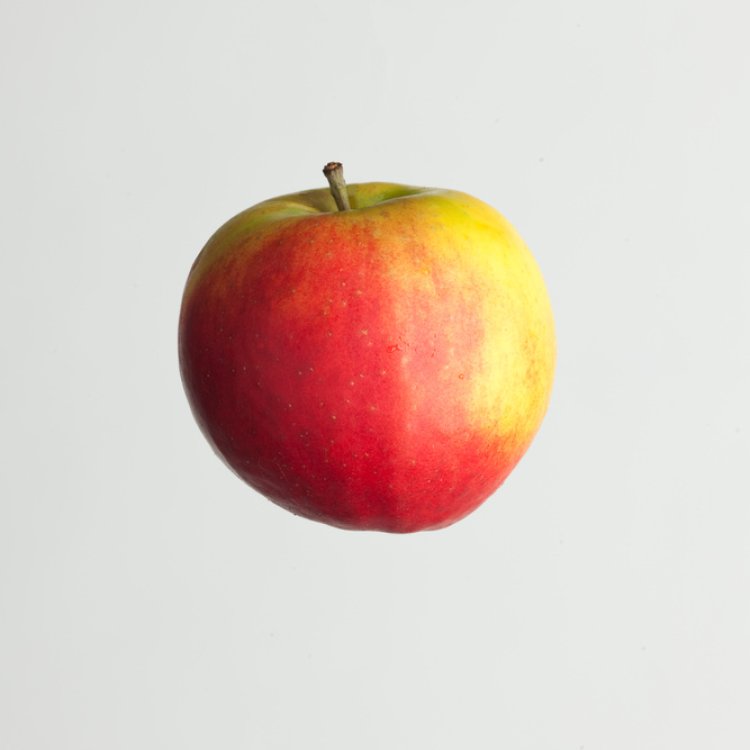
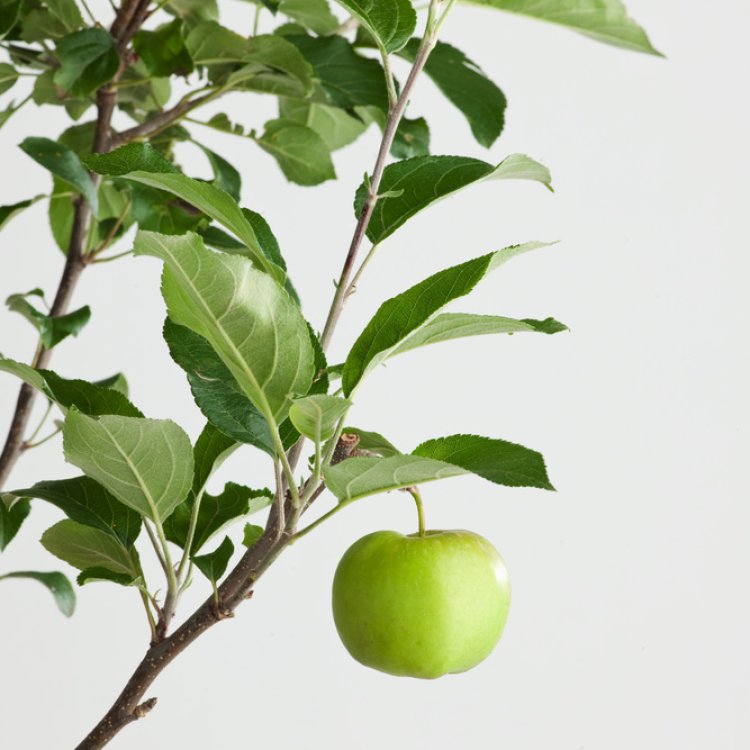
Malus domestica, the beloved Apple Tree, brings both ornamental charm and delicious fruit to your British garden. Its spring blossoms support pollinators, and regular pruning ensures a bountiful harvest. A truly rewarding addition.
15 in stock
Discover Malus domestica, the beloved Apple Tree, a quintessential addition to any British garden, offering both beauty and bountiful harvests.
Malus domestica, commonly known as the Apple Tree, stands as a cherished classic in UK gardens. This versatile deciduous tree offers both pretty spring blossoms and delicious, homegrown fruit. Cultivated for centuries, it embodies a rich horticultural heritage, providing ornamental appeal and edible treasures.
Malus domestica, or the Apple Tree, represents a cornerstone of British horticulture. Indeed, this popular fruit tree has been cultivated for thousands of years across the globe. Its name, “Malus,” comes from Latin, meaning apple. “Domestica” simply means domestic or cultivated. Hence, it refers to a species that people have grown in gardens for a very long time.
The Apple Tree offers more than just its fruit; it provides significant aesthetic value. In spring, before the leaves fully emerge, the tree bursts into a spectacular display of white or delicate pink flowers. These blooms often feature a subtle fragrance, drawing in early pollinators. Later, bright green leaves unfurl, creating a lush canopy during the warmer months. As summer turns to autumn, the foliage may develop lovely yellow or orange tints, adding further seasonal interest.
Gardeners often choose Malus domestica for its dual purpose: ornamental beauty and edible bounty. You can plant apple trees as standalone specimens, allowing them to form a graceful focal point. Furthermore, they work well in orchards or even as part of a mixed border, adding structure and height. Many people also enjoy growing apple trees against walls or fences using espalier or cordon training methods. This makes them suitable for smaller gardens too.
Furthermore, Malus domestica plays a vital role in supporting local wildlife. Its abundant spring blossoms provide an early and crucial source of nectar and pollen for bees and other important pollinators. These insects are essential for fruit set, of course. Birds also visit apple trees, finding shelter among the branches and feasting on any dropped or unharvested fruit in autumn and winter. The tree’s canopy provides a safe habitat for various small creatures.
To maintain health and productivity, regular pruning is important for Apple Trees. Typically, gardeners prune during the dormant season to shape the tree and remove dead or diseased wood. This practice also encourages better air circulation and sunlight penetration, leading to healthier fruit production. Pruning helps to manage the tree’s size and ensures a steady supply of delicious apples each year. The reward for this care is a beautiful, productive tree.
Very hardy. Tolerates temperatures typical of a continental winter.
Plant Malus domestica in a sunny spot with well-drained soil. Water regularly during dry spells, especially in the first few years after planting. Mulch around the base to retain moisture and suppress weeds. Prune during the dormant season (late autumn to late winter) to maintain shape, remove dead or diseased branches, and encourage fruit production. Protect young trees from pests and diseases with appropriate measures.
This plant is deciduous so it will lose all of its leaves in the autumn and get fresh new foliage each spring.