£4.82 – £5.53Price range: £4.82 through £5.53
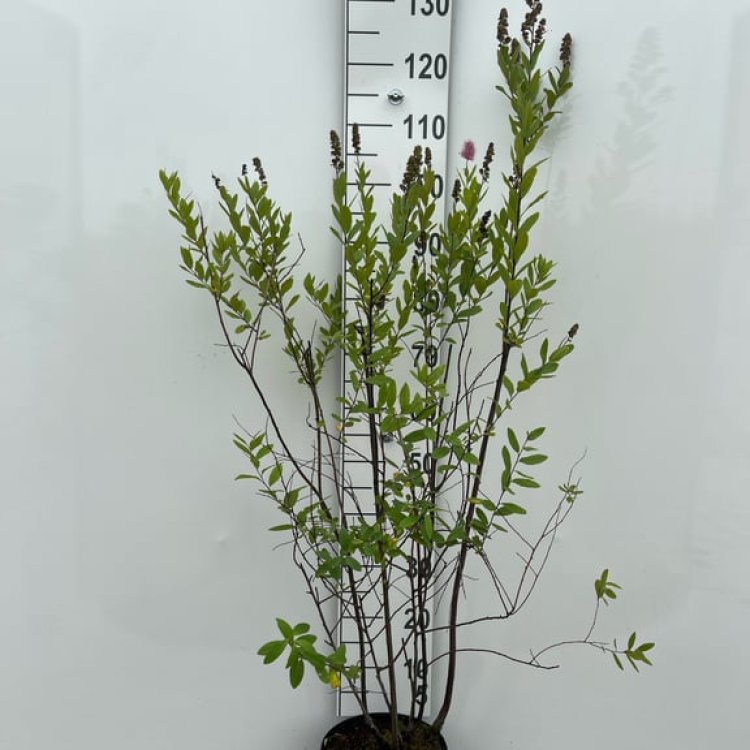
Spiraea billardii is a vigorous, deciduous shrub offering abundant deep pink flowers from summer to early autumn. Perfect for borders and attracting pollinators, this Billard’s Spiraea is a hardy, low-maintenance choice for UK gardens.
300 in stock
Spiraea billardii offers a delightful summer display with its vibrant pink flowers, making it a perfect addition to any British garden.
This robust, deciduous shrub brings a burst of colour when many other plants begin to fade. It is a hybrid, developed for its strong growth and abundant blooms. Thus, it delivers reliable performance. Gardeners appreciate Spiraea billardii for its ease of care. It offers versatility in various landscape designs, easily brightening garden spaces.
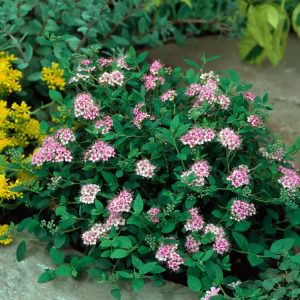
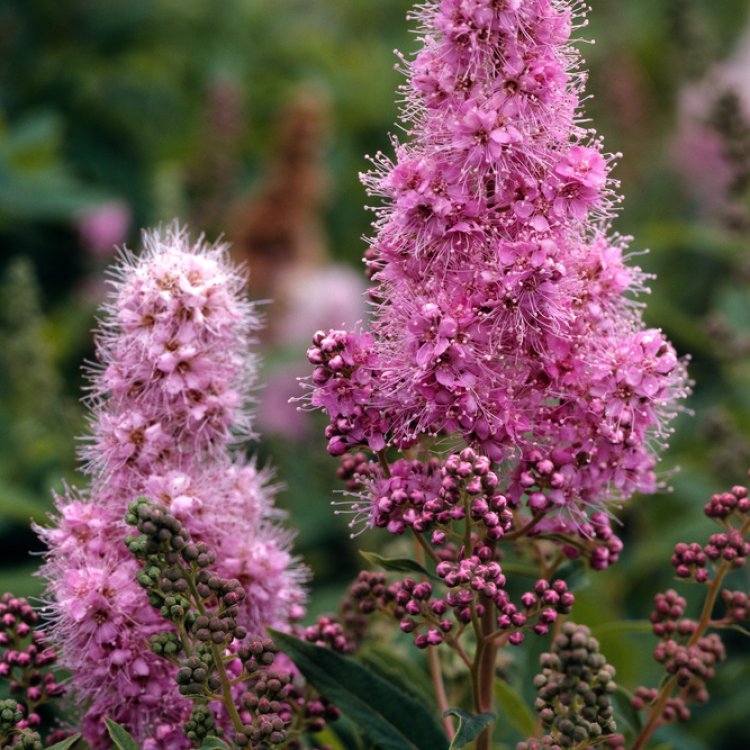
Vibrant deep pink flowers bloom generously throughout the summer months.
Forms an upright, arching shrub with a dense, bushy habit.
Features attractive, lance-shaped, dark green foliage that provides a lush backdrop.
Highly adaptable to a range of soil types and sun exposures in the UK.
Known for its rapid growth, establishing quickly in the garden.
Beneficial for local wildlife, attracting bees and butterflies.
Spiraea billardii, commonly known as Billard’s Spiraea, is a beautiful and hardworking deciduous shrub. It is a garden hybrid, specifically a cross between Spiraea douglasii and Spiraea salicifolia.
The plant received its name in honour of Pierre-Joseph Billard, a notable French botanist. This vigorous shrub grows upright, creating a dense, rounded form. Its long, slender, dark green leaves offer a pleasing texture throughout the growing season.
During the summer, Spiraea billardii truly shines. It produces abundant, conical clusters of small, deep pink flowers. These vibrant blooms emerge from July through to September. They extend the garden’s colourful display late into the season.
The flowers are not only beautiful to behold, but they also serve an important ecological role. They attract numerous pollinators, particularly bees and butterflies. This supports local wildlife populations in your garden.
This adaptable shrub suits many garden situations. You can plant Spiraea billardii in mixed borders, adding a splash of continuous colour. It also makes an excellent informal hedge, offering both beauty and a gentle screen.
Furthermore, it works well in mass plantings, creating a dramatic visual impact. Its robust nature means it can help with erosion control on slopes. The plant will thrive in most well-drained soils, from clay to sandy. It performs best in full sun to partial shade.
Maintaining Spiraea billardii is generally straightforward. This plant responds very well to pruning. Pruning helps manage its size and encourages a more prolific floral display.
The best time to prune is in late winter or early spring, just before new growth begins. You can cut back old or weak stems to the ground, or simply trim to shape the plant. Regular pruning will ensure a healthy, vigorous shrub with a strong flowering performance each year.
Very hardy. Tolerates temperatures typical of a continental winter.
General care for Spiraea billardii involves annual pruning in late winter or early spring to maintain its shape and encourage abundant summer flowering. Remove any dead, damaged, or weak stems, and thin out overcrowded growth. You can also cut back up to one-third of the older stems to rejuvenate the plant. Water regularly during dry spells, especially in its first year, to help establish a strong root system. A general-purpose fertiliser can be applied in spring to support healthy growth.
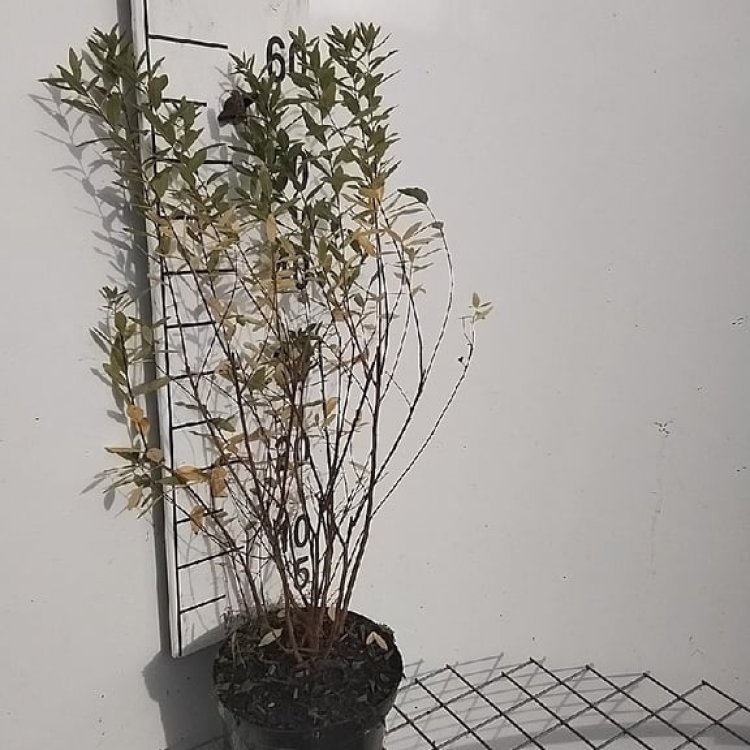
This plant is deciduous so it will lose all of its leaves in the autumn and get fresh new foliage each spring.