£56.52 – £68.06Price range: £56.52 through £68.06
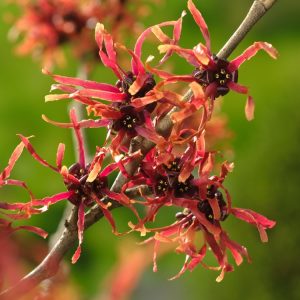
Chaenomeles speciosa ‘Pink Storm’ offers a burst of vibrant pink, semi-double flowers on bare branches in early spring. This deciduous Flowering Quince is a robust, wildlife-friendly shrub, perfect for adding early season colour and structure to UK gardens.
50 in stock
Chaenomeles speciosa ‘Pink Storm’ delivers a captivating display of vibrant pink flowers, heralding the arrival of spring in UK gardens.
Uncover the allure of Chaenomeles speciosa ‘Pink Storm’, a truly striking deciduous shrub. Many gardeners know it as Flowering Quince. This special variety shows off a wealth of beautiful, semi-double pink blossoms. These appear on bare branches early, before most other plants wake up. Hailing from East Asia, this tough shrub grows well in many UK garden settings. Its early spring bloom provides crucial nectar for emerging pollinators, making it perfect for wildlife. This plant’s flexible nature fits various garden styles.
Chaenomeles speciosa ‘Pink Storm’ is a popular Flowering Quince cultivar. Gardeners praise it for its early season beauty. The name ‘Chaenomeles’ comes from Greek words meaning ‘to gape’ and ‘apple’, referring to the fruit. ‘Speciosa’ means showy, fitting its bold flowers well. The cultivar ‘Pink Storm’ gets its name from its huge number of pink blooms, truly like a floral storm.
From late winter into spring, often March to May, Chaenomeles speciosa ‘Pink Storm’ bursts into life. It shows off countless semi-double flowers along its thorny branches. These bright pink blooms, each a few centimetres wide, create a stunning sight. They stand out against the still-sleeping garden.
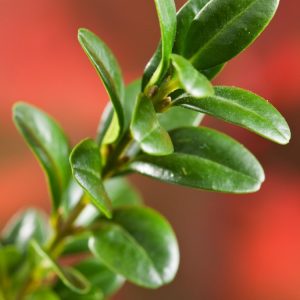
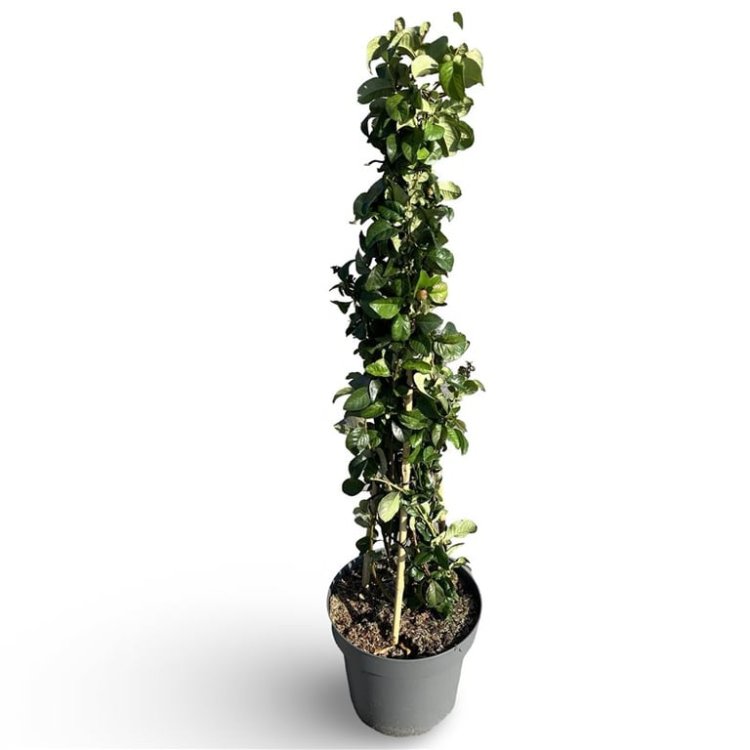
After flowering, shiny green leaves unfold. These give a lovely backdrop throughout summer. Later, small, greenish-yellow, apple-like fruits form. They taste very sharp but make superb jellies or preserves after cooking.
This adaptable Flowering Quince fits many garden roles. Plant it alone as a focal point to brighten a dull winter border. Its thorny stems also form an effective, informal barrier or hedge. It looks great in mixed borders, adding structure and early colour.
You can train Chaenomeles speciosa ‘Pink Storm’ against a wall. This creates an attractive espaliered feature. Cut branches in bud during winter add beautiful decoration indoors.
Prune this plant right after its flowers fade. This helps keep its shape and encourages more blooms next year. Remove dead, damaged, or crossing branches. Thin out older stems to make way for strong new growth.
Chaenomeles speciosa ‘Pink Storm’ greatly benefits local wildlife. Its early flowers are a vital food source for bees. These pollinators need such plants during cooler months when other nectar is scarce.
Very hardy. Tolerates temperatures typical of a continental winter.
Prune Chaenomeles speciosa 'Pink Storm' immediately after flowering to maintain shape and encourage new growth. Remove any dead, damaged, or crossing branches, and thin out older stems to promote vigour. Water regularly during dry periods, especially during establishment. Established plants are relatively drought tolerant. Feed in early spring with a balanced general-purpose fertiliser. This plant is generally trouble-free regarding pests and diseases.
This plant is deciduous so it will lose all of its leaves in the autumn and get fresh new foliage each spring.