£11.34 – £13.23Price range: £11.34 through £13.23
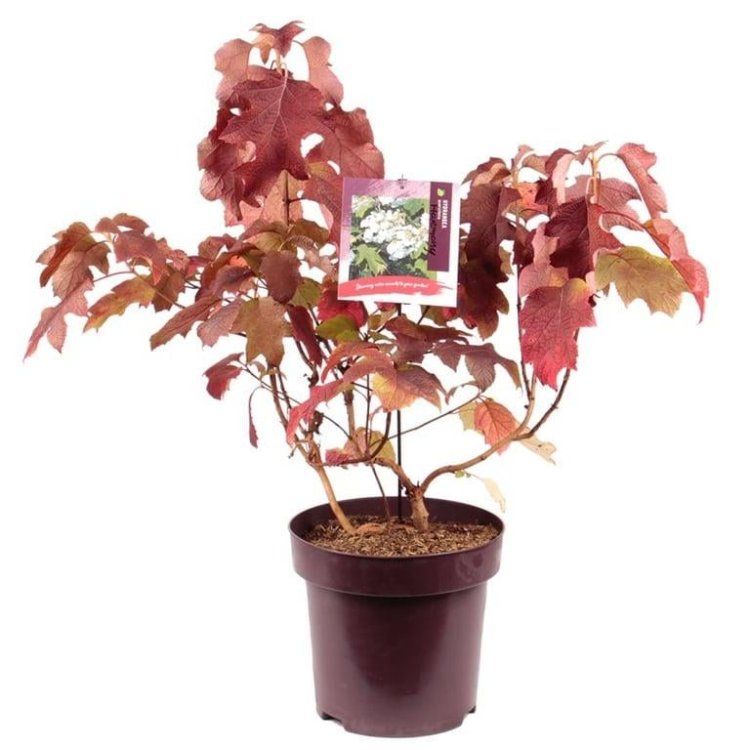
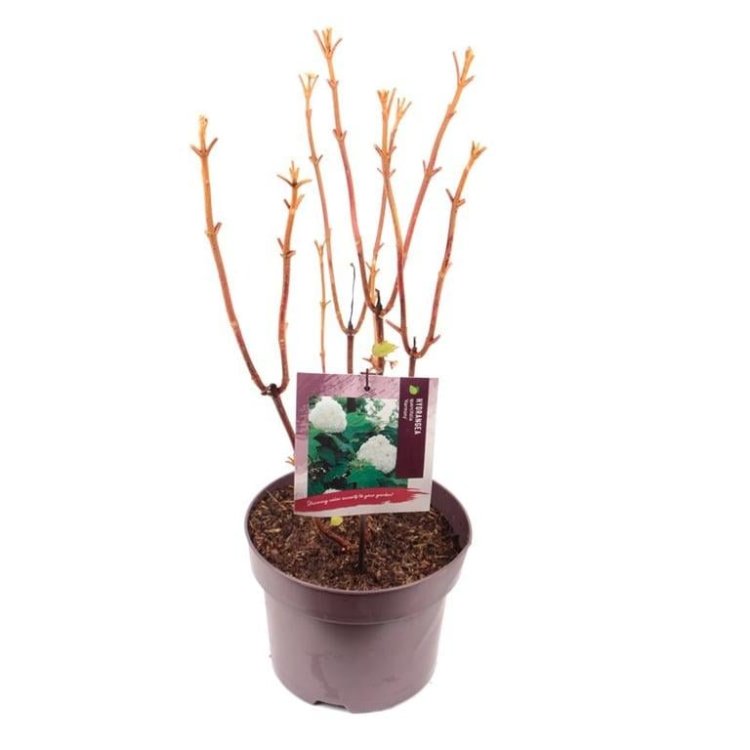
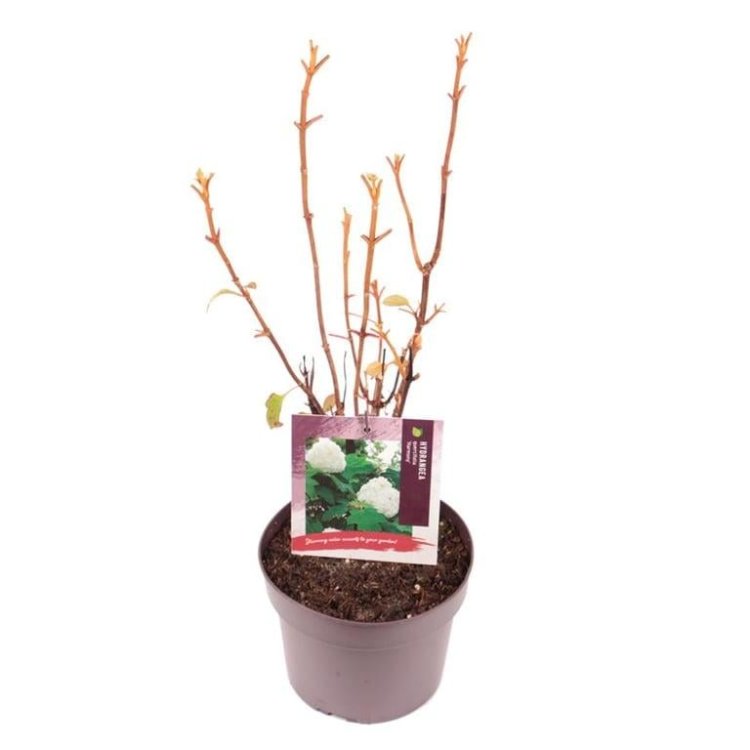
Hydrangea quercifolia ‘Harmony’ is a remarkable oakleaf hydrangea. Enjoy its large double white flowers, turning pink as they mature. Its distinctive oak-shaped leaves offer superb autumn colours, from bronze to deep crimson, adding striking beauty to any UK garden.
10 in stock
Discover Hydrangea quercifolia ‘Harmony’, an outstanding oakleaf hydrangea known for its magnificent double white blooms and superb deep crimson autumn foliage.
Hydrangea quercifolia ‘Harmony’ stands as a truly remarkable shrub, offering year-round garden interest. This cultivar is named for its harmonious blend of striking features. The species name, quercifolia, literally means “oak-leaved,” a clear nod to its distinctly lobed foliage resembling an oak tree’s leaves. This beautiful plant brings an elegant, refined presence to any UK garden space.
The floral display of ‘Harmony’ begins in summer, typically around July. It showcases generous, conical panicles, often reaching impressive lengths. These panicles are densely packed with charming double white florets. As the season progresses, these pristine white blooms may gently mature to a delicate pink hue. This colour shift adds another layer of visual appeal to the plant.
However, the allure of Hydrangea quercifolia ‘Harmony’ extends far beyond its flowers. Its large, textured leaves are a major draw. Shaped much like an oak leaf, they provide a strong architectural element through spring and summer. With the arrival of cooler autumn weather, the foliage undergoes a dramatic transformation. Rich shades of bronze, deep crimson, and purplish-red emerge, creating a breathtaking display. This vibrant autumn show ensures the plant remains a garden highlight long after the flowers have faded.
‘Harmony’ grows into a substantial, multi-stemmed shrub. It develops a handsome, rounded form, making it a natural focal point. Gardeners often use it as a striking specimen plant, especially in a woodland setting or at the back of a mixed border. Its robust nature means it thrives with minimal intervention. Pruning typically involves simply removing any dead or weak stems after the flowering period concludes. This practice helps to maintain its health and shape. Furthermore, this plant contributes to local wildlife. Bees and butterflies are drawn to its blooms, seeking nectar during their active months. This makes it a valuable addition to a biodiverse garden. Its impressive size and seasonal interest ensure ‘Harmony’ provides beauty and structure throughout the year.
Hardy in all of the UK and northern Europe. Suitable for exposed sites.
Water regularly, especially during dry periods and in the first year after planting. Ensure soil is well-drained but consistently moist, fertile, and slightly acidic to neutral. Prune lightly in late winter or early spring by removing any dead, damaged, or weak stems. Apply a balanced, slow-release fertiliser around the base of the plant in early spring. Mulch with organic matter to retain moisture and suppress weeds.
This plant is deciduous so it will lose all of its leaves in the autumn and get fresh new foliage each spring.