£18.07 – £20.43Price range: £18.07 through £20.43
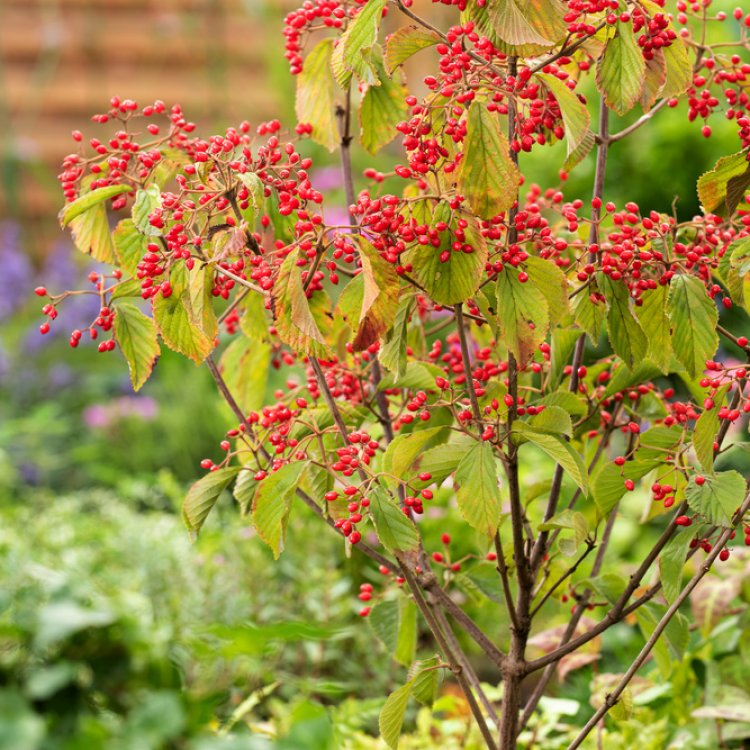
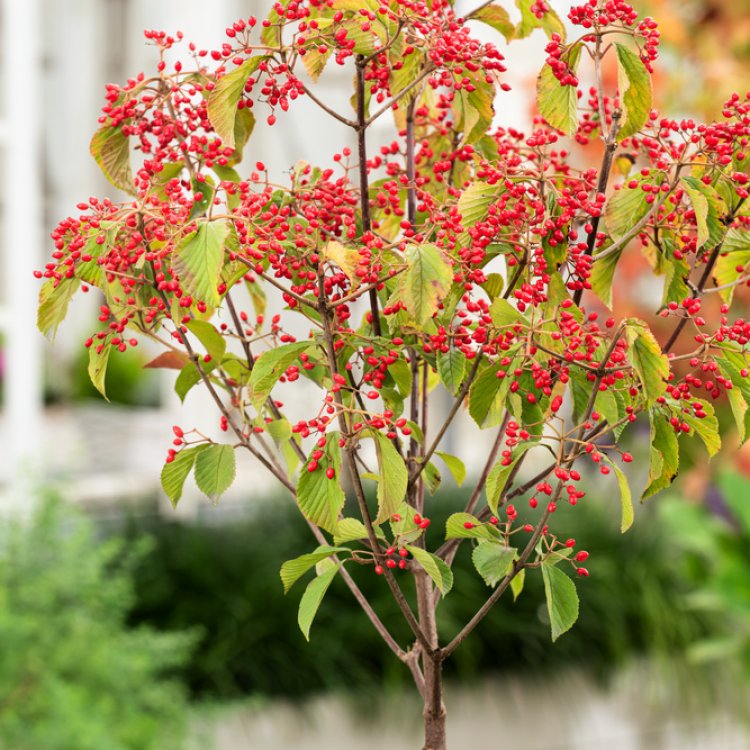
Viburnum dilatatum ‘Sealing Wax’ offers multi-season appeal for UK gardens. Enjoy creamy summer flowers followed by abundant, glossy red berries in autumn, complemented by vibrant orange and red foliage.
1000 in stock
Discover the vibrant allure of Viburnum dilatatum ‘Sealing Wax’, an exceptional shrub renowned for its brilliant seasonal display in UK gardens. This captivating plant offers multi-season interest, transitioning gracefully from delicate summer blooms to a spectacular autumn show of berries and foliage, making it a superb choice for any discerning gardener.
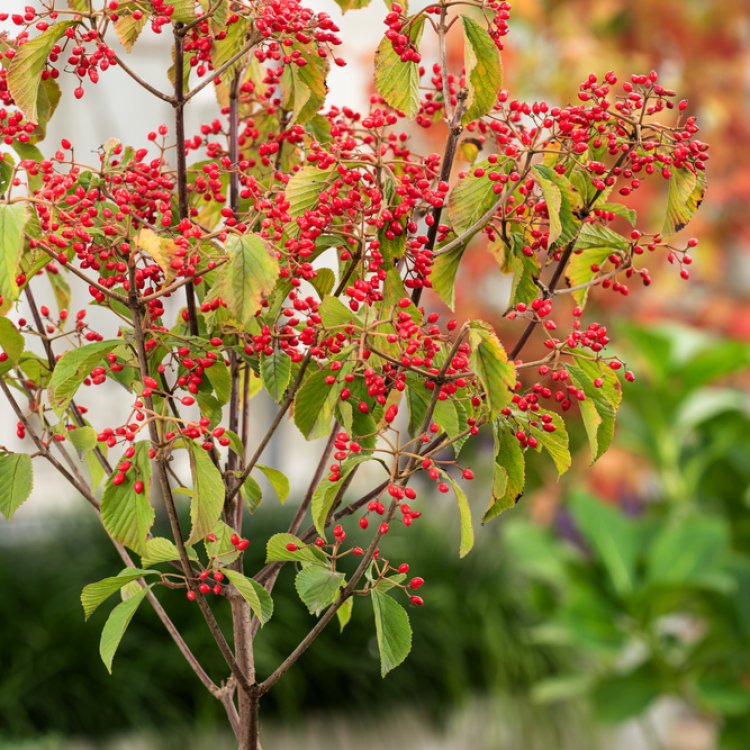
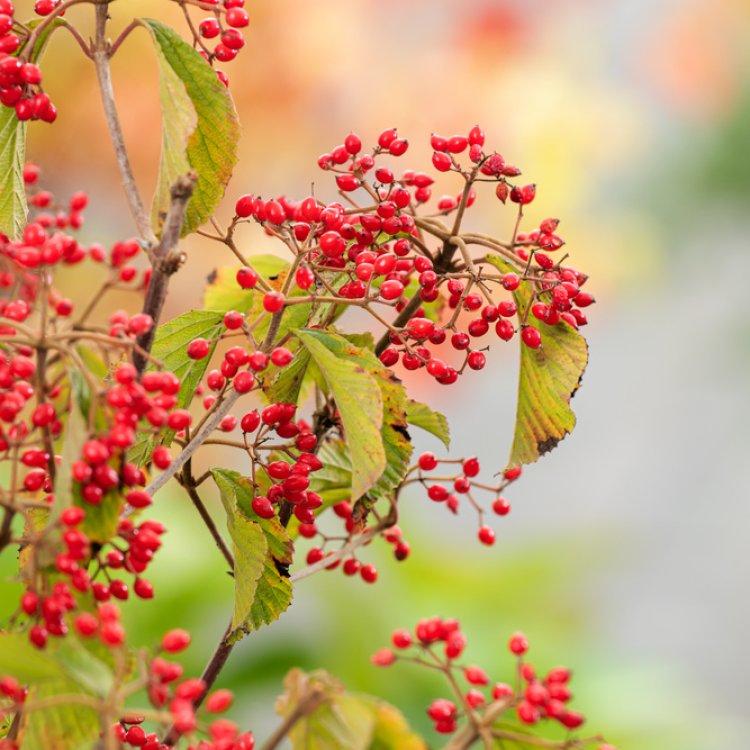
Viburnum dilatatum, commonly known as the Linden Viburnum, hails from East Asia. The cultivar ‘Sealing Wax’ earns its charming name from the intensely glossy, bright red berries that adorn its branches in late summer and autumn. These unique berries strikingly resemble drops of melted sealing wax, hence its evocative moniker. It is a highly decorative and robust shrub that brings both colour and structure to the garden throughout much of the year.
This deciduous shrub begins its yearly display in late spring to early summer. Here, it produces numerous small, creamy-white flowers. These blossoms appear in attractive, flat-topped cymes, creating a gentle floral spectacle. These flowers are not only beautiful but also prove highly attractive to bees and other pollinating insects, actively supporting garden biodiversity. Therefore, it is a wonderful addition to a wildlife-friendly garden.
Following the floral display, the true highlight of Viburnum dilatatum ‘Sealing Wax’ emerges. In late summer, the plant begins to form its distinctive berries. These transform into a brilliant, glossy red hue by early autumn. The berries are incredibly prolific and remain on the branches for an extended period, often well into winter, if not devoured by hungry birds. Furthermore, the foliage contributes significantly to the autumn spectacle. Its rich green leaves turn stunning shades of orange, red, and deep purple, providing a magnificent backdrop for the bright berries.
In terms of garden use, Viburnum dilatatum ‘Sealing Wax’ is exceptionally versatile. It works wonderfully as a specimen plant, allowing its full form and seasonal drama to be appreciated. Additionally, it can be planted within mixed borders, where its changing colours add depth and interest. This viburnum also performs well in informal hedging or woodland edge plantings. Light pruning can be undertaken after flowering to maintain shape or control size, however, it generally requires minimal intervention to flourish. Its robust nature and captivating display make it an invaluable asset for any UK garden seeking vibrant, long-lasting seasonal appeal.
Very hardy. Tolerates temperatures typical of a continental winter.
Viburnum dilatatum 'Sealing Wax' generally requires minimal care once established. Water regularly during dry periods, especially in its first year, to ensure good establishment. Apply a general-purpose fertiliser in spring. Pruning is not usually essential but can be done after flowering to maintain a desired shape or size, removing any dead, damaged, or crossing branches. Mulch around the base with organic matter in spring to retain moisture and suppress weeds.
This plant is deciduous so it will lose all of its leaves in the autumn and get fresh new foliage each spring.