£18.07 – £20.43Price range: £18.07 through £20.43
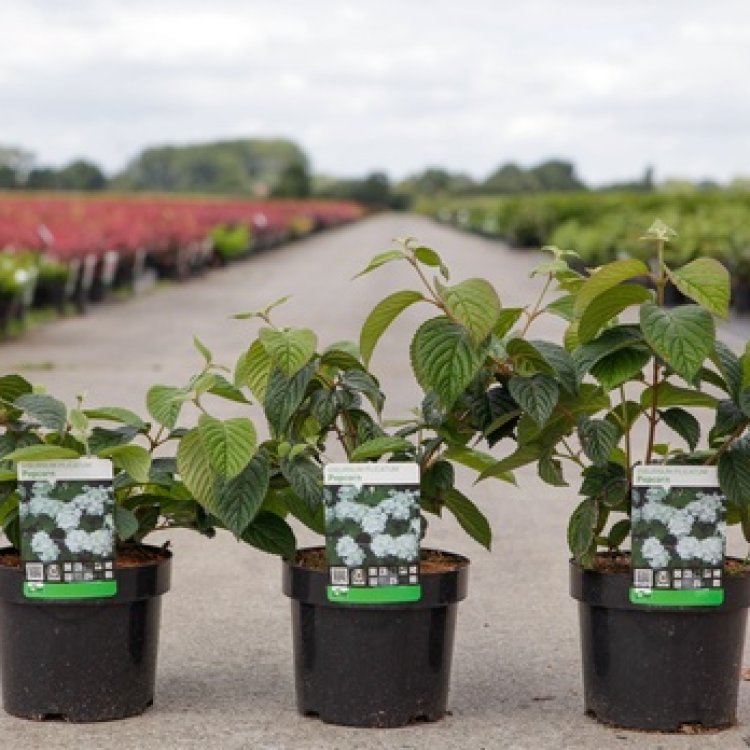
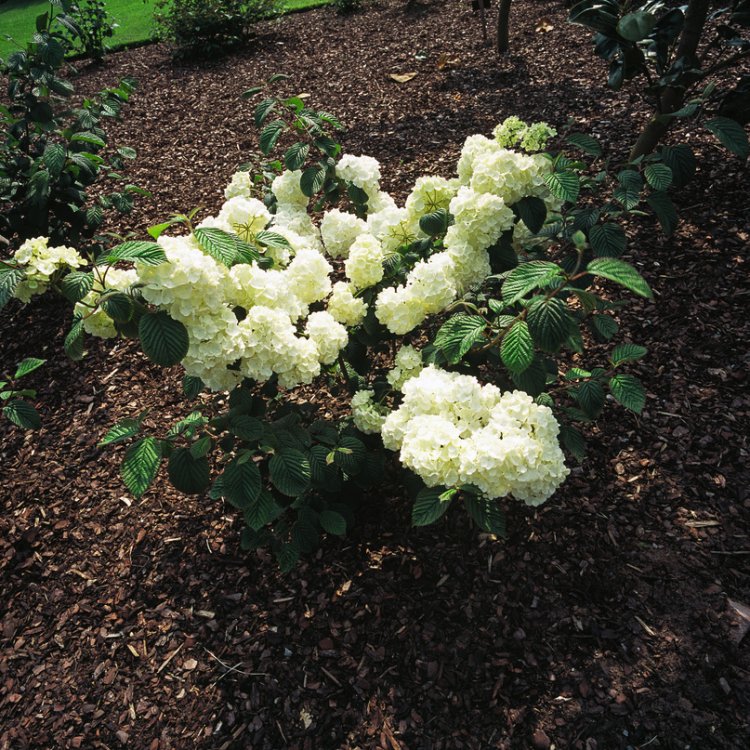
Viburnum plicatum ‘Popcorn’ delights with its abundant, pure white, globular flowers, reminiscent of popcorn, in late spring and early summer. Its striking pleated foliage offers superb autumn colour, making it a beautiful, low-maintenance choice for UK gardens.
2000 in stock
Viburnum plicatum ‘Popcorn’ delivers an astonishing display of pristine white blooms, making it a truly exceptional deciduous shrub for any UK garden.
This beautiful plant captivates with its unique floral clusters, resembling freshly popped popcorn, hence its charming name. Originating from Asia, this cultivar quickly became a cherished garden specimen. It offers fantastic seasonal interest, transitioning from abundant spring flowers to rich autumn foliage. Gardeners adore this viburnum for its elegance and low maintenance.
Viburnum plicatum ‘Popcorn’ is a distinguished cultivar of the Japanese snowball bush, known botanically as Viburnum plicatum f. plicatum. This graceful shrub originates from the temperate regions of Japan and China. Its cultivar name, ‘Popcorn’, perfectly describes its profuse floral display. Each flower cluster comprises numerous small, sterile florets, densely packed together. This creates an effect remarkably similar to fluffy, white popcorn, especially when seen against the fresh spring foliage.
In late spring and early summer, typically May and June in UK gardens, Viburnum plicatum ‘Popcorn’ becomes smothered in these charming white blooms. The flowers emerge along the shrub’s distinctive horizontal branches, creating a stunning tiered effect. Furthermore, the foliage itself offers significant ornamental value. Its leaves are deeply veined and a beautiful dark green, exhibiting a characteristic ‘plicate’ or pleated appearance. As the seasons progress, these striking leaves transform. They adopt rich shades of reddish-purple and deep burgundy, providing a magnificent spectacle of autumn colour before they fall.
This versatile Viburnum plicatum ‘Popcorn’ proves an excellent choice for various garden settings. It works wonderfully as a specimen plant, allowing its elegant structure and seasonal beauty to truly shine. Moreover, you can incorporate it into mixed shrub borders, where its white flowers provide a crisp contrast. It also forms a lovely informal hedge or screen. Regarding its care, Viburnum plicatum ‘Popcorn’ generally requires minimal pruning. You should only prune after flowering, focusing on removing any dead, damaged, or wayward stems to maintain its attractive shape. Importantly, its abundant flowers are a welcome sight for garden wildlife. Bees and butterflies frequently visit the blossoms, drawn by their nectar, thus contributing to a thriving garden ecosystem.
Very hardy. Tolerates temperatures typical of a continental winter.
Viburnum plicatum 'Popcorn' is relatively low-maintenance. Ensure the soil remains consistently moist, especially during dry periods, particularly for newly planted specimens. Apply a balanced, slow-release fertiliser annually in spring. Pruning is best carried out after flowering to maintain shape, remove any dead or crossing branches, or to control size. Mulch around the base with organic matter like compost or well-rotted manure to retain soil moisture and suppress weeds.
This plant is deciduous so it will lose all of its leaves in the autumn and get fresh new foliage each spring.