£22.64 – £25.00Price range: £22.64 through £25.00
Discover Osmanthus fortunei, an elegant evergreen shrub. It features fragrant white flowers in autumn with a jasmine-like scent and attractive, holly-like foliage. Perfect for adding year-round interest and supporting late-season pollinators in UK gardens.
550 in stock
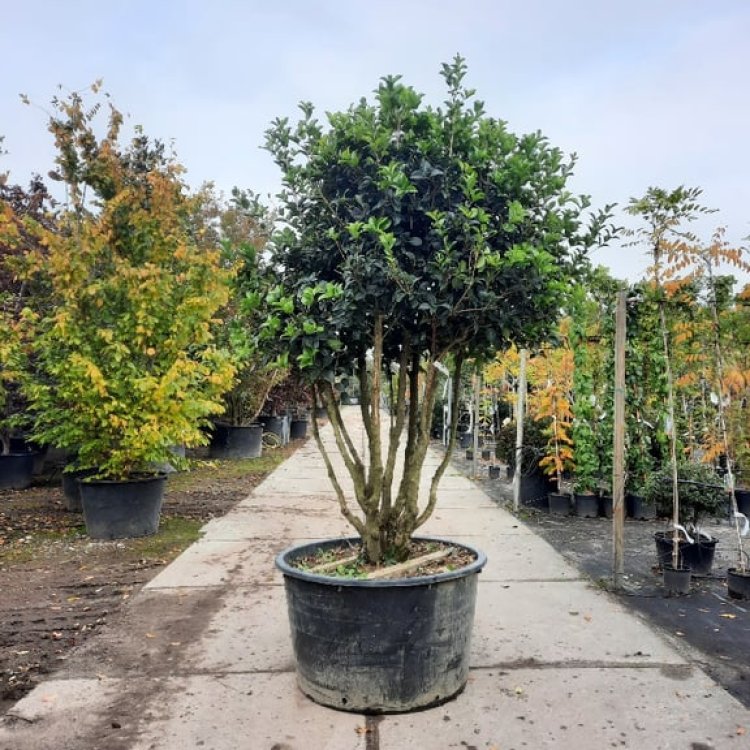
Osmanthus fortunei is a magnificent evergreen shrub, celebrated for its late autumn fragrant flowers and handsome, holly-like foliage, bringing charm to any UK garden.
This splendid plant, Osmanthus fortunei, offers a delightful display of horticultural beauty, especially as the gardening season draws to a close. Originating from a cross between Osmanthus fragrans and Osmanthus heterophyllus, it combines the best traits of its parents.
Its robust nature and elegant appearance make it a versatile choice for various garden styles across the United Kingdom. Gardeners value its reliable, low-maintenance presence.
The name Osmanthus fortunei honours Robert Fortune, a notable Scottish botanist. He introduced many significant plants from East Asia to Western gardens. The genus name ‘Osmanthus’ comes from Greek words. ‘Osme’ means fragrance, while ‘anthos’ means flower. This perfectly describes the plant’s most cherished feature: its delightful scent.
Throughout the year, Osmanthus fortunei showcases its glossy, dark green leaves. These leaves are thick and leathery, resembling holly with their distinctive spines. This evergreen foliage ensures year-round interest in the garden.
As autumn arrives, often from October into November, the plant truly shines. Clusters of small, creamy-white flowers emerge. These blooms might seem unassuming at first glance.
However, they release an intensely sweet and captivating fragrance. The aroma is often compared to jasmine or apricot. This makes the plant a highlight in the cooler months when other plants have faded.
Fortune’s Osmanthus is a versatile addition to any garden design. It grows well as a standalone specimen. Its strong structure creates a focal point. Moreover, it forms an attractive and robust evergreen hedge. This provides privacy and shelter.
You can also use it for screening unwanted views. It works beautifully in mixed borders, adding texture and year-round colour. Growing against a wall provides a pleasing backdrop.
Generally, Osmanthus fortunei needs minimal pruning. If desired, you can trim it after flowering in late winter or early spring. This helps to maintain its shape and size. It responds well to such shaping.
Beyond its aesthetic appeal, this Osmanthus provides an important ecological benefit. Its late-season flowers offer a vital source of nectar for bees. As colder weather approaches, fewer flowers are available. Therefore, the blooms of Osmanthus fortunei support pollinators when food sources are scarce. This contribution helps to sustain local wildlife.
Hardy in all of the UK and northern Europe. Suitable for exposed sites.
Osmanthus fortunei is a low-maintenance shrub. Water regularly during its first year to aid establishment, especially in dry spells. Once established, it is drought tolerant. Apply a balanced, slow-release fertiliser in spring. Prune lightly after flowering to maintain shape or remove any damaged wood.