£4.12 – £6.48Price range: £4.12 through £6.48
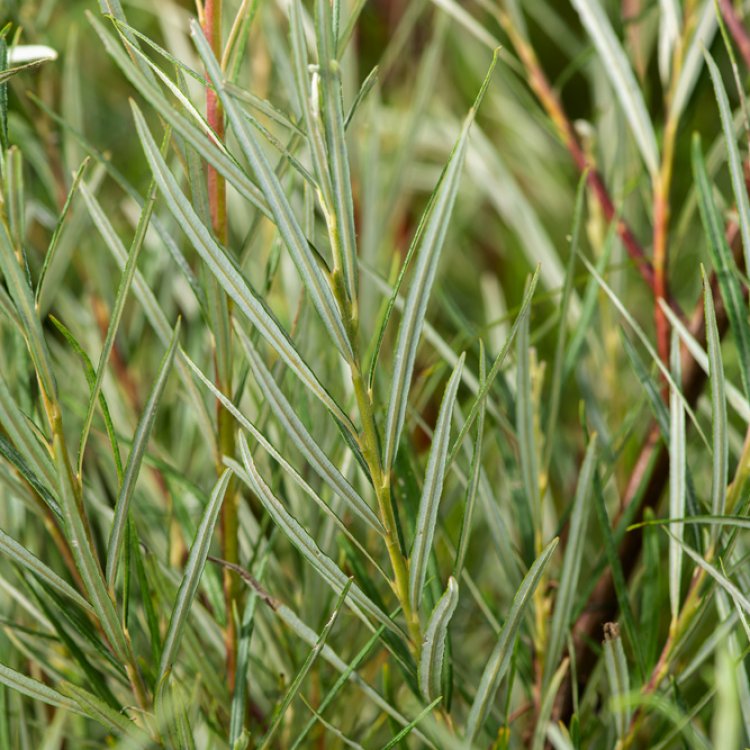
Salix rosmarinifolia, the Rosemary Willow, is a distinctive deciduous shrub with unique grey-green, rosemary-like leaves and delicate early spring catkins. Hardy and adaptable, it supports early pollinators, making it perfect for borders or informal hedging.
1500 in stock
Discover Salix rosmarinifolia, a distinctive deciduous shrub celebrated for its graceful form and unique, rosemary-like foliage, bringing delicate beauty to any UK garden.
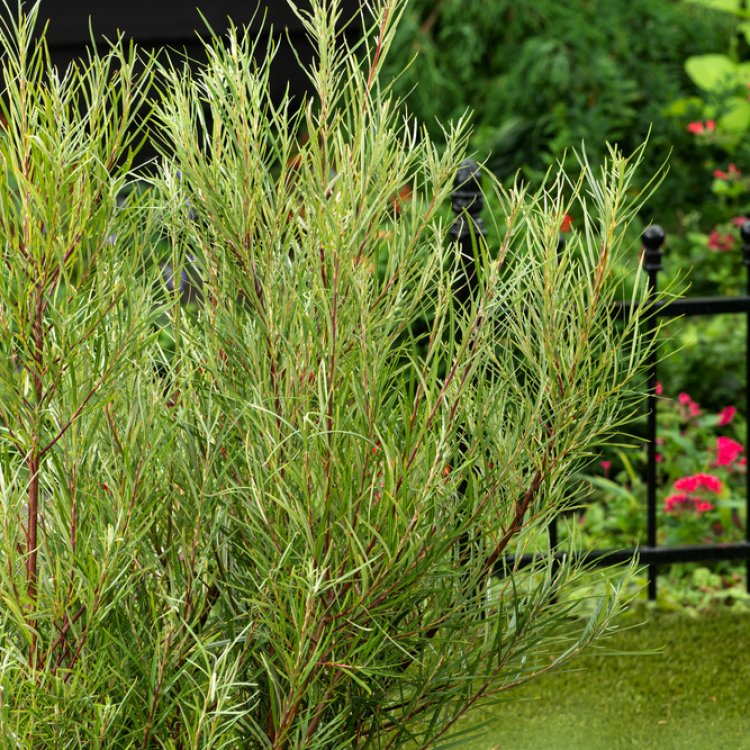
This charming willow, often known as the Rosemary Willow, offers an elegant presence throughout the seasons. Its slender branches and fine, grey-green leaves create a delicate texture. This texture stands out in borders or as a low hedge. Originating from parts of Europe and Asia, Salix rosmarinifolia adapts readily to various garden settings. It thrives particularly well in moist, well-drained soils. Gardeners appreciate its understated beauty and the gentle movement it brings to the landscape. It is a wonderful choice for a tranquil garden space.
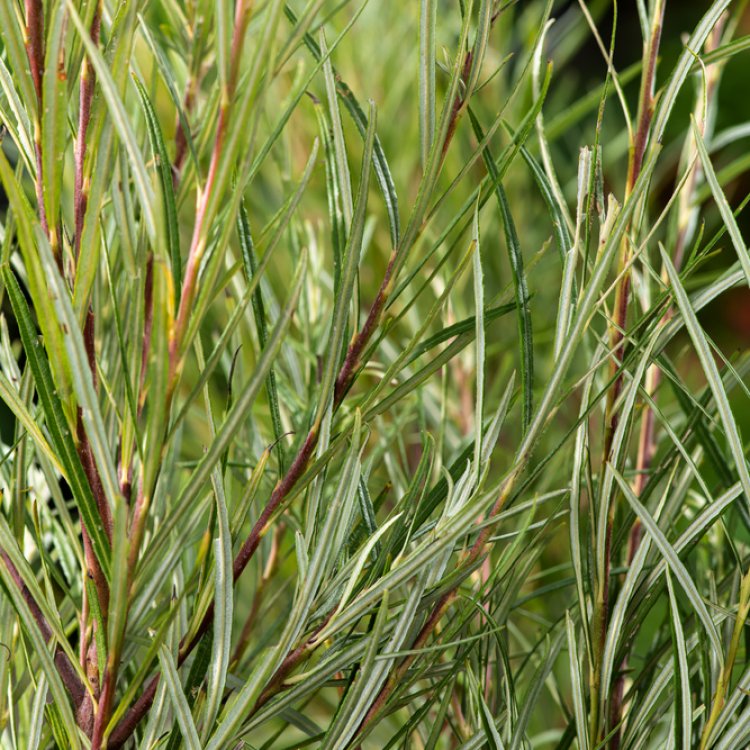
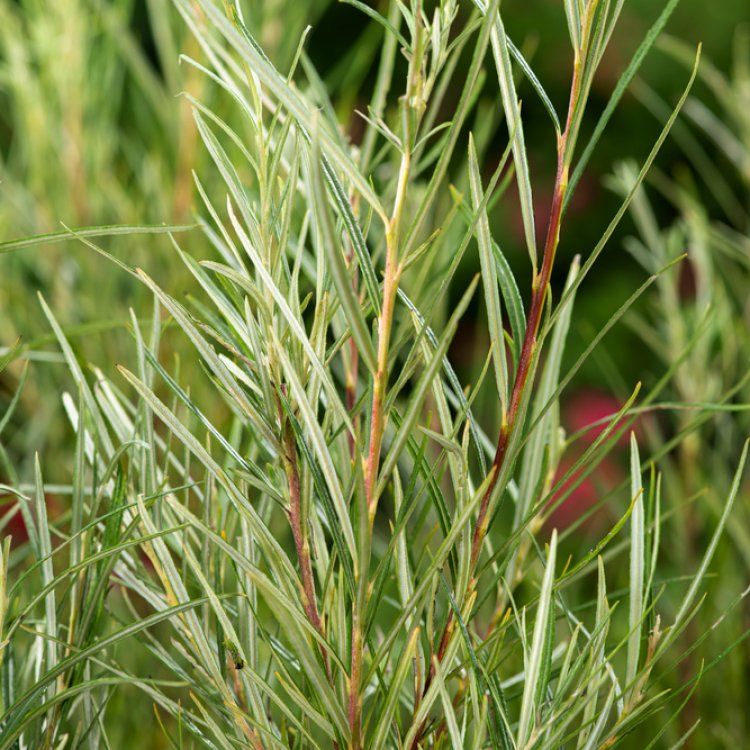
Rosemary-like Foliage: Distinctive narrow, grey-green leaves add unique texture.
Early Spring Catkins: Delicate, silvery catkins emerge before or with the leaves, providing early interest.
Graceful Deciduous Shrub: Offers an elegant, airy form that suits many garden designs.
Wildlife Friendly: Early catkins provide vital pollen and nectar for bees.
Hardy and Adaptable: Tolerates a range of soil conditions and is fully hardy in the UK.
The name Salix rosmarinifolia directly reflects its most striking feature. ‘Salix’ is the classical Latin name for willows. Whilst ‘rosmarinifolia’ translates as ‘rosemary-leaved’. This perfectly describes its slender, linear leaves. They bear a remarkable resemblance to the aromatic herb. These fine leaves display a lovely grey-green colour, often with a silvery underside. This creates a soft, appealing texture in the garden. Each leaf typically measures a few centimetres long. This adds to the plant’s delicate overall appearance.
As winter fades, Salix rosmarinifolia heralds spring’s arrival with its enchanting catkins. These small, silvery-grey to yellowish catkins emerge on bare stems or just as new leaves unfurl. While not overtly showy, they offer subtle beauty. They also provide much-needed sustenance for early emerging pollinators. Bees, in particular, visit these catkins for their valuable pollen and nectar. This makes the Rosemary Willow an excellent choice for a wildlife-friendly garden.
The shrub is deciduous, meaning its leaves will fall in autumn. Its architectural framework then provides winter interest before new growth begins again. This natural cycle ensures continuous appeal in the garden.
Salix rosmarinifolia proves to be a versatile addition to many garden designs. Its moderate size makes it ideal for mixed borders. It typically reaches around 1.5 metres in both height and spread. Plant it as a specimen or in groups for a textural contrast. You can also use it to create an informal, low-maintenance hedge.
This willow tolerates moist conditions well. Thus it suits planting near ponds or in rain gardens. However, it performs equally well in average garden soils. Its adaptable nature truly enhances its garden value.
Pruning is generally straightforward for the Rosemary Willow. You should aim to prune in late winter or early spring before new growth appears. This helps maintain its attractive shape. Simply remove any dead, damaged, or crossing branches. Light shaping also encourages denser foliage, which enhances its overall appearance.
Hardy in the harshest UK conditions and below. Suitable for mountain regions.
Water regularly, especially during dry spells and in its first year, to ensure good establishment. This hardy shrub generally requires little feeding, though a balanced general-purpose fertiliser can be applied in spring if growth is poor. Prune in late winter or early spring to remove any dead, damaged, or crossing branches, and to maintain its desired shape and size. It tolerates hard pruning well if rejuvenation is needed. Keep the area around the base free of weeds.
This plant is deciduous so it will lose all of its leaves in the autumn and get fresh new foliage each spring.