£22.34 – £24.70Price range: £22.34 through £24.70
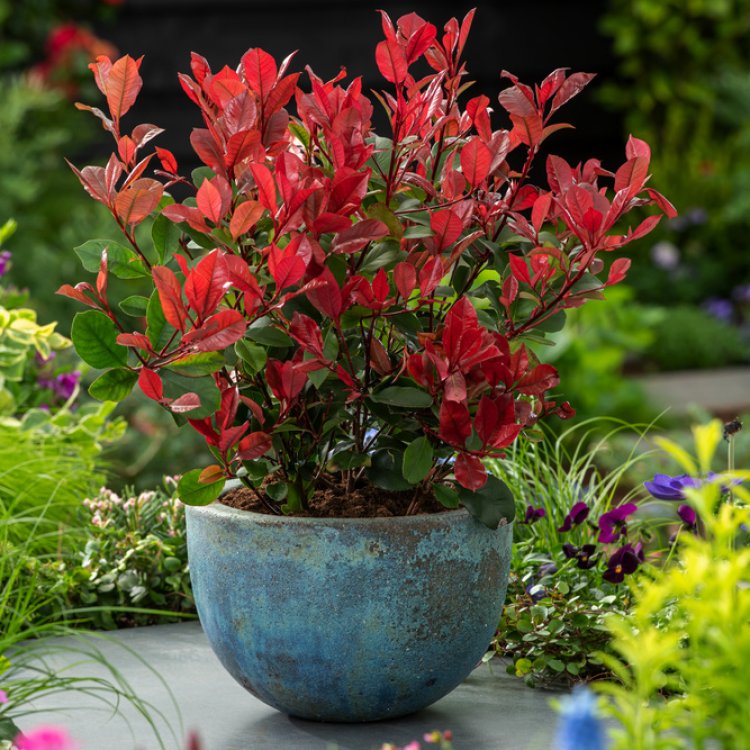
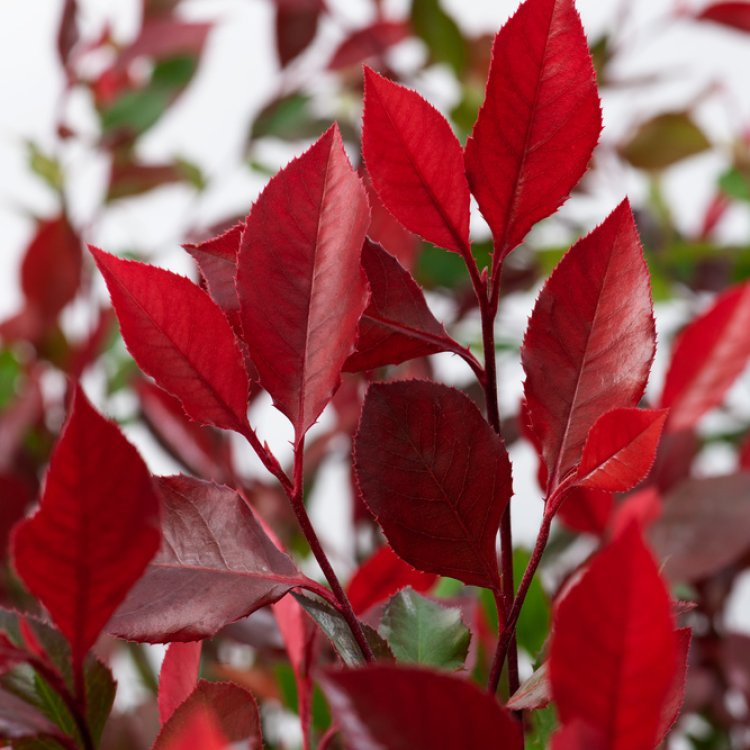
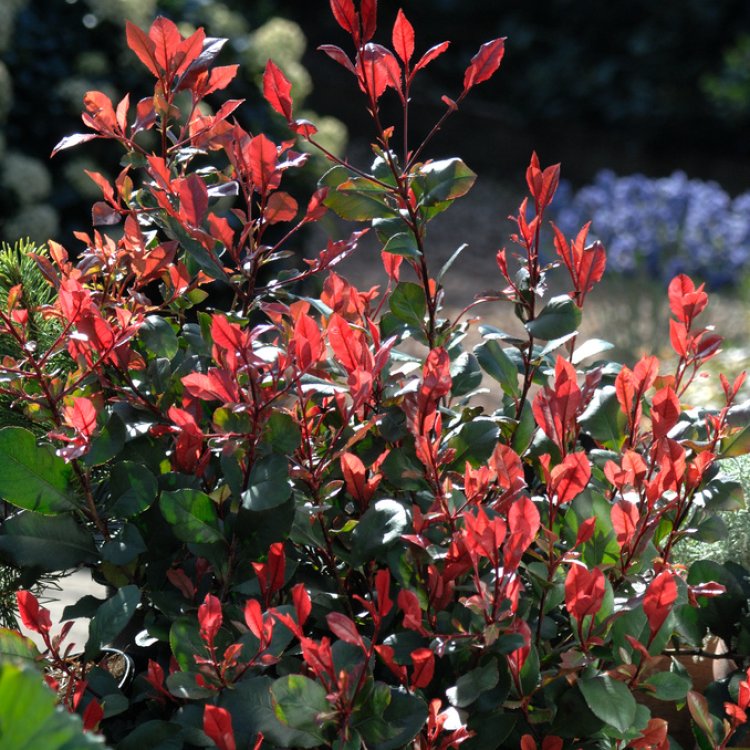
Photinia fraseri ‘Little Red Robin’ is a compact evergreen shrub, celebrated for its brilliant red new growth turning glossy green. It offers year-round colour and structure, blooming with small white flowers in spring, attracting pollinators. Perfect for hedges or borders.
688 in stock
Discover Photinia fraseri ‘Little Red Robin’, a captivating evergreen shrub known for its vibrant red new foliage and compact growth, perfect for UK gardens.
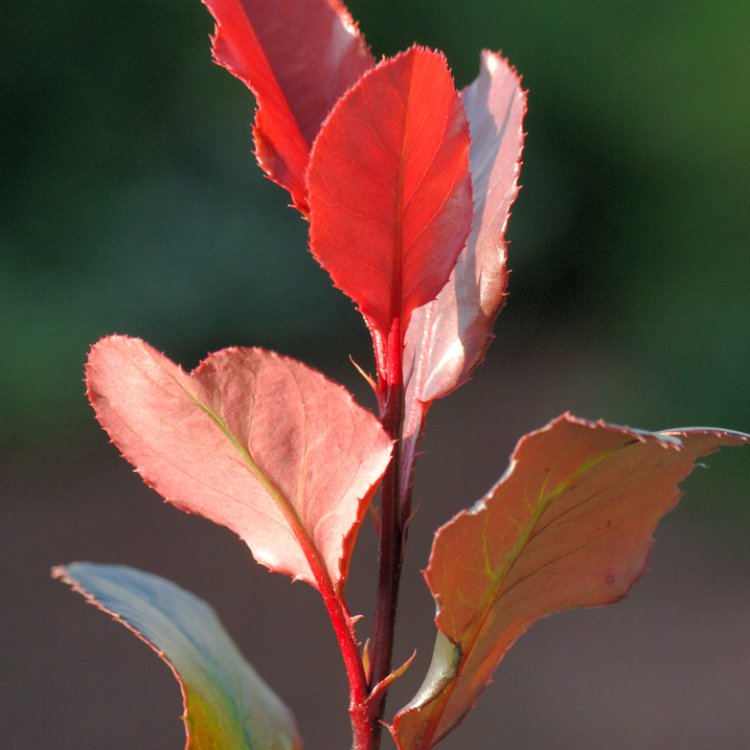
Photinia ‘Little Red Robin’ offers a spectacular display of colour throughout the year. This popular, smaller cultivar of the classic ‘Red Robin’ provides bright crimson new leaves. These gradually mature to a glossy, deep green. It brings a dynamic touch to any garden space, especially in spring. Gardeners cherish its ability to add year-round interest and structure with minimal fuss. Its dense habit also makes it an excellent choice for various planting schemes.
Photinia fraseri ‘Little Red Robin’ truly brightens UK gardens. This delightful evergreen shrub captivates with its distinctive foliage. The plant’s common name aptly describes its key feature: brilliant red new leaves. These vibrant shoots emerge vigorously in spring. They make a bold and colourful statement. As seasons progress, the foliage transforms. It deepens into a rich, dark green hue. Its glossy texture, moreover, adds a refined touch to any garden design.
The main appeal of Photinia ‘Little Red Robin’ lies in its colourful leaves. However, this plant also produces delicate white flowers. These small blooms appear in clusters. You will see them during late spring, typically from April into May. Bees and other beneficial insects often visit these flowers. They find a valuable source of nectar here. Subsequently, the flowers may develop into small red berries. Birds then enjoy these berries, further enhancing garden biodiversity. Photinia ‘Little Red Robin’ thus contributes positively to local wildlife.
Gardeners use Photinia fraseri ‘Little Red Robin’ in many creative ways. It performs wonderfully as a low hedge, creating a neat boundary. Likewise, it fits perfectly into mixed borders. It adds evergreen structure and seasonal colour there. Many also grow this plant successfully in large containers on patios or balconies. This compact variety naturally maintains a tidy shape. Yet, it tolerates pruning very well. Pruning helps encourage more of that beautiful new red growth. The best time for shaping is usually after the main flush of spring growth. Alternatively, prune it in late summer. Regularly trimming promotes a denser, more attractive plant overall.
Hardy in all of the UK and northern Europe. Suitable for exposed sites.
Water regularly until established, especially during dry spells in the first year. Apply a balanced, slow-release fertiliser in early spring to support healthy growth and vibrant foliage. Prune annually after flowering, typically in late spring or early summer, to maintain shape and encourage a flush of new, colourful red leaves. Remove any dead, damaged, or misplaced branches as needed. Protect from harsh winter winds in exposed locations during establishment.