£2.81 – £4.21Price range: £2.81 through £4.21
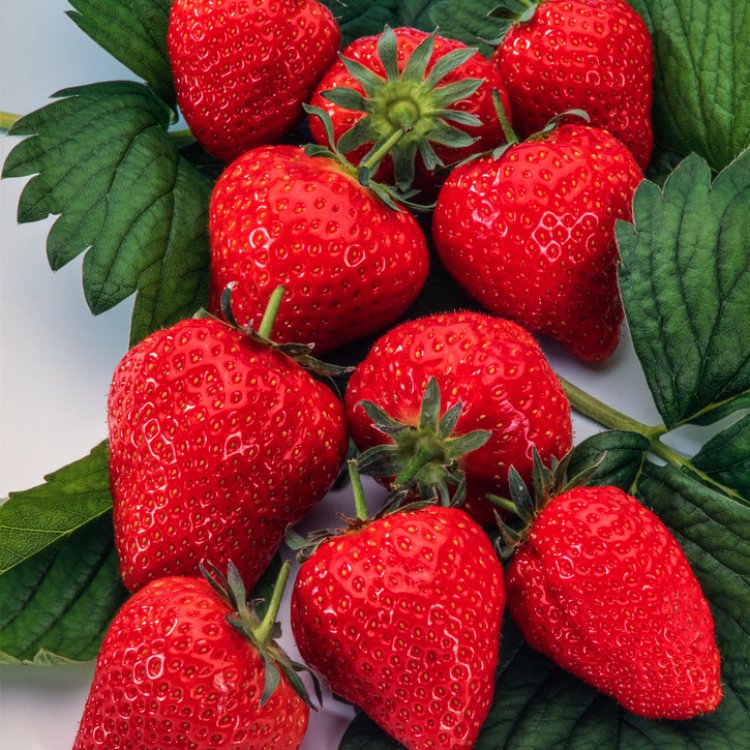
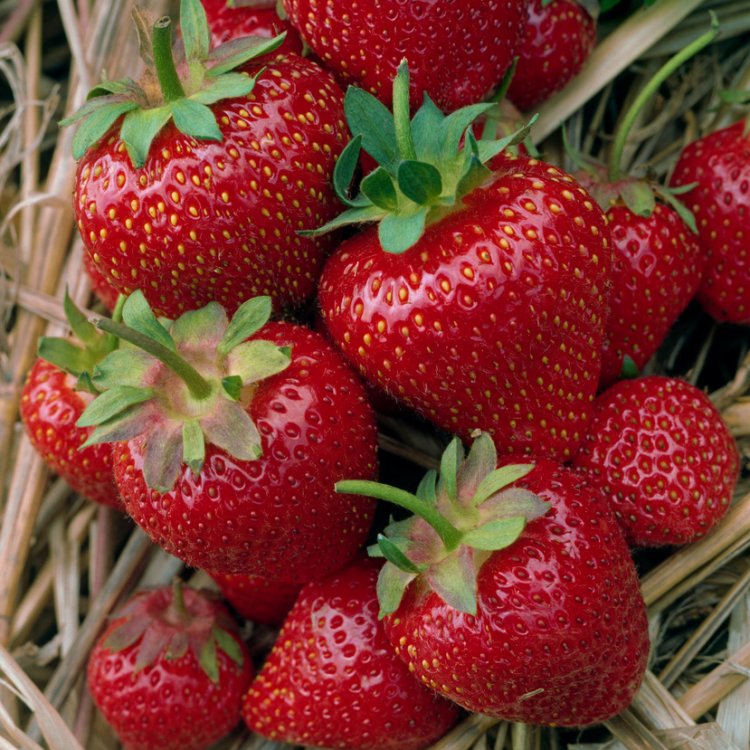
Grow delicious Fragaria ananassa ‘Elsanta’ strawberries. This reliable, early-mid season variety yields abundant, sweet, firm red fruits perfect for eating fresh, preserving, or freezing. A vigorous plant ideal for UK gardens.
106 in stock
Fragaria ananassa ‘Elsanta’ is a popular and reliable strawberry cultivar, cherished for its abundant yields of sweet, flavourful fruit perfect for UK gardens.
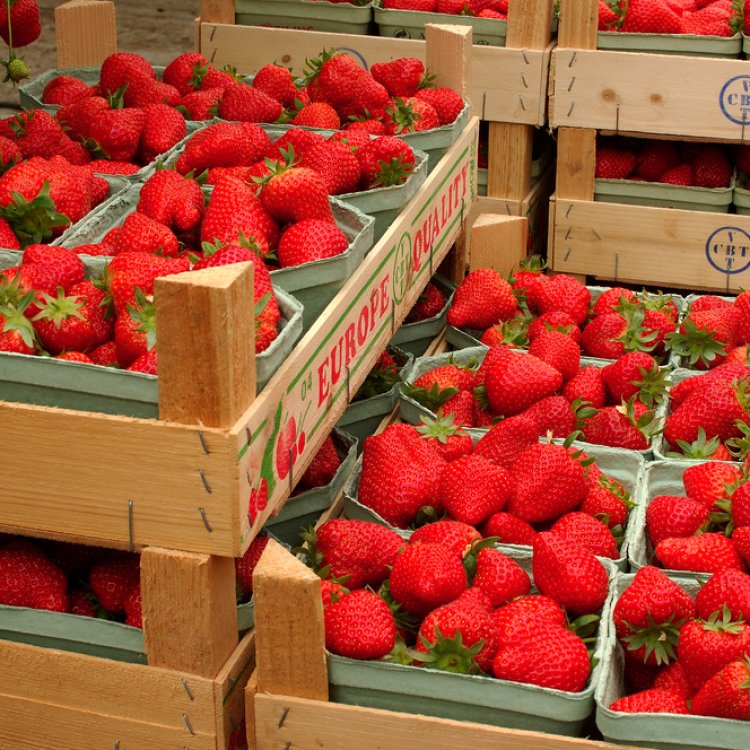
Discover the joy of growing your own delicious strawberries with Fragaria ananassa ‘Elsanta’. This acclaimed variety consistently produces high-quality, bright red fruits. They offer excellent taste and a firm texture. Originating in the Netherlands, it swiftly became a favourite among growers and home gardeners. Its vigorous growth and consistent performance make it an ideal choice. Both novice and experienced cultivators will find a rewarding harvest. Enjoy these delightful berries fresh from the plant, or in your favourite summer desserts.
Fragaria ananassa ‘Elsanta’ stands out for any UK gardener. This hybrid strawberry resulted from a cross between ‘Gorella’ and ‘Holiday’. It gained popularity for its commercial qualities. Home growers also appreciate its robust nature and delicious berries.
The name ‘Elsanta’ lacks specific etymological meaning. Instead, it serves as a unique cultivar designation for this plant.
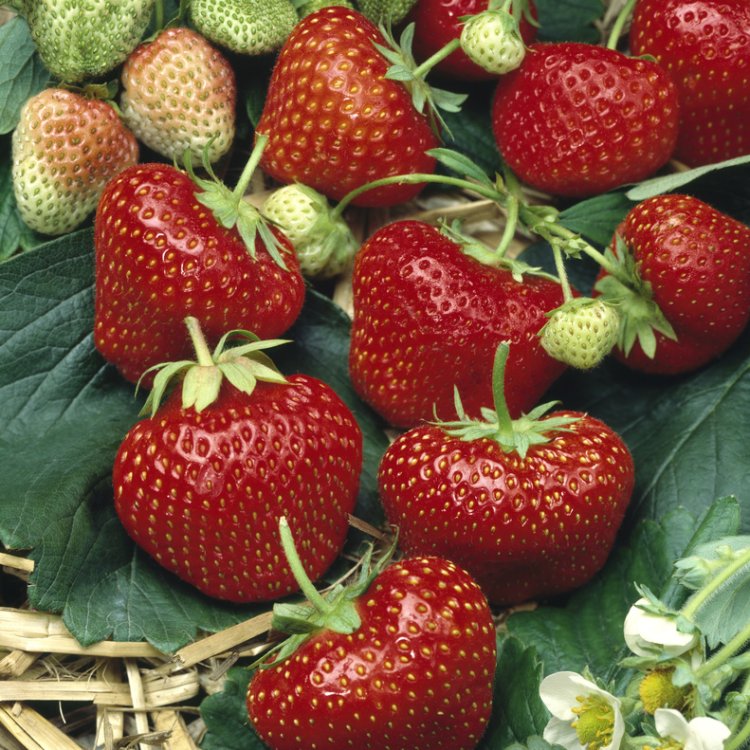
This strawberry variety produces delicate white flowers in late spring, typically May into June. These blossoms attract pollinators like bees and butterflies, ensuring good fruit set.
After flowering, the plant yields an abundance of classic red strawberries. Its foliage consists of vibrant, trifoliate green leaves. They form a low-growing carpet, covering garden soil. This lush greenery looks attractive all season.
Gardeners find ‘Elsanta’ strawberries highly versatile. Its primary use involves fruit production, in beds, pots, or hanging baskets. Its spreading habit makes it great ground cover in sunny spots, suppressing weeds.
You can also use it to edge borders, adding productive and ornamental elements. The charming white flowers provide an early nectar source for bees and other beneficial insects. They boost your garden’s biodiversity.
Generally, ‘Elsanta’ strawberries are easy to maintain. They produce numerous runners, which are horizontal stems developing new plantlets. Remove these runners to focus plant energy on fruit production.
Alternatively, allow them to root, expanding your strawberry patch. Regular removal of old or diseased leaves maintains plant health. This keeps your plants productive for many years, providing consistent fresh berries.
Hardy in all of the UK and northern Europe. Suitable for exposed sites.
Water regularly, especially when flowers appear and fruits are developing, keeping the soil consistently moist but not waterlogged. Feed with a balanced granular fertiliser in early spring, then switch to a high potash feed once flowering begins to encourage better fruiting. Protect ripening fruit from birds and slugs using netting and appropriate organic deterrents. Remove runners, the horizontal stems that produce new plantlets, unless you wish to propagate new plants or extend your patch. Clear away old or diseased leaves after harvesting to maintain plant health and vigour for the following season.