£2.68 – £4.10Price range: £2.68 through £4.10
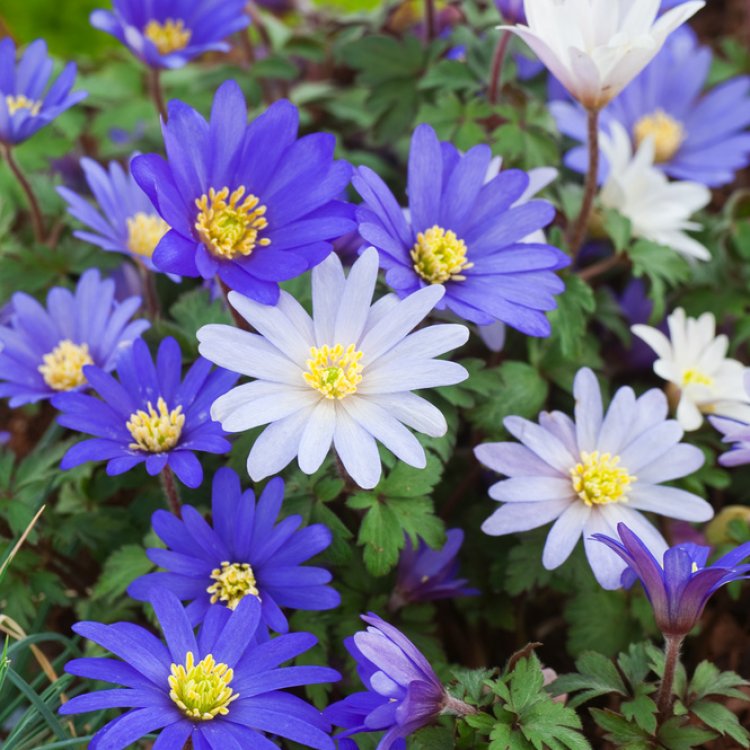
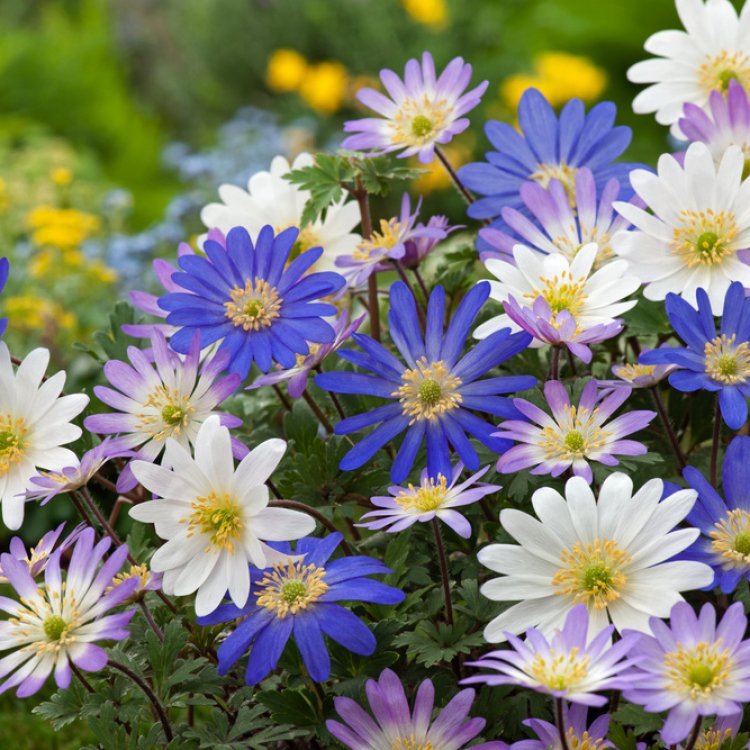
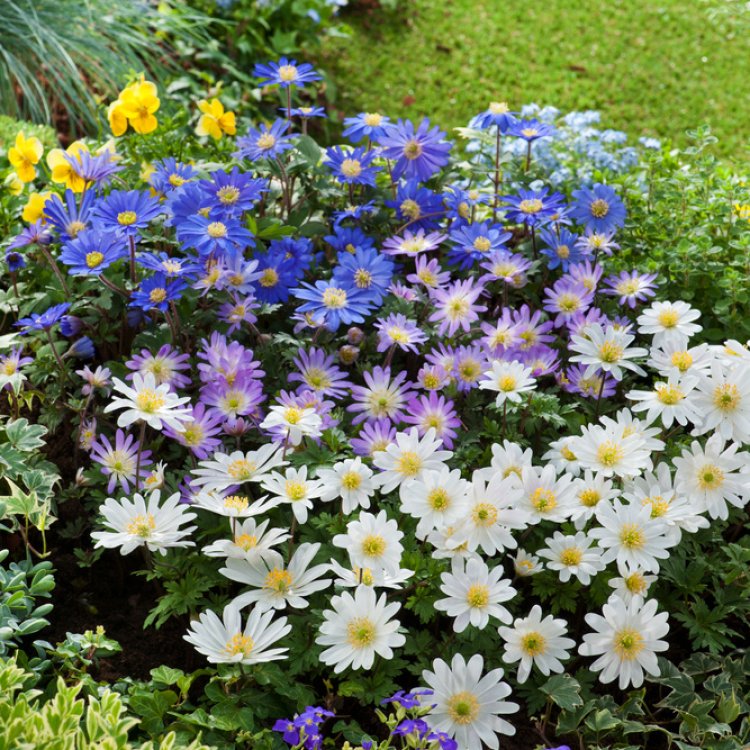
Anemone blanda, the Grecian Windflower, creates carpets of blue, white, and pink flowers from late winter. Perfect for naturalising under trees or in rockeries, this delightful perennial welcomes spring and supports early pollinators with its charming, low-maintenance blooms.
1974 in stock
Delight in the vibrant hues of Anemone blanda, a charming perennial that heralds spring’s arrival with its star-like blossoms and lush foliage.
Anemone blanda, often called Grecian Windflower, brightens UK gardens from late winter. This captivating plant produces a carpet of cheerful, daisy-like flowers. Its easy-going nature makes it a favourite for naturalising beneath trees or along borders. As a native of southeastern Europe, it thrives in conditions mimicking its woodland origins. Furthermore, it creates a delightful display before many other plants emerge.
Early Spring Bloom: Offers a vibrant display of blue, white, or pink flowers from late winter into spring.
Low Maintenance: Requires minimal care, thriving in various garden settings.
Naturalising Plant: Spreads readily through self-seeding, creating beautiful drifts over time.
Wildlife Friendly: Provides an early source of nectar and pollen for bees and other pollinators.
Compact Growth: Reaches a modest height and spread, ideal for ground cover or rockeries.
Introducing the enchanting Anemone blanda, a true harbinger of spring. This delightful tuberous perennial is widely known as the Grecian Windflower due to its delicate, wind-swept blooms. Its botanical name, ‘Anemone’, derives from the Greek word ‘anemos’, meaning wind, which perfectly describes its ethereal appearance. The specific epithet ‘blanda’ translates to ‘charming’ or ‘pleasing’, truly reflecting its appealing character.
Clusters of finely cut, fern-like leaves emerge in late winter, closely followed by an abundance of exquisite, daisy-like flowers. These captivating blooms showcase a spectrum of colours, from vivid blues and purples to pure whites and soft pinks. They open fully in the sunshine, revealing bright yellow centres, and gently close at night or during cloudy weather. The foliage then gracefully dies back in late spring or early summer, allowing the plant to enter dormancy.
Gardeners often use this versatile plant for underplanting deciduous trees and shrubs. Consequently, it enjoys dappled shade during its active growing period. Anemone blanda also excels when naturalised in lawns or planted at the front of borders. Furthermore, its cheerful blossoms make excellent ground cover, especially when combined with other early spring bulbs. This plant truly brings life to dormant garden areas.
Importantly, this charming Grecian Windflower supports local wildlife. Its early flowers provide a vital food source for emerging bees and other pollinators. Therefore, it contributes significantly to garden biodiversity. While it does not require formal pruning, allow the foliage to fully yellow and die back naturally. This process ensures the tubers gather enough energy for the next year’s spectacular display. Anemone blanda truly offers effortless beauty.
Hardy in all of the UK and northern Europe. Suitable for exposed sites.
Anemone blanda is a low-maintenance plant. Plant tubers in autumn, around 5-7cm deep and 10-15cm apart, in well-drained, humus-rich soil. Water them in after planting. No formal pruning is needed; allow the foliage to die back naturally in late spring to allow the plant to store energy for the following year's blooms. They naturalise readily through self-seeding and may benefit from occasional division every few years in crowded areas.