£4.48 – £5.18Price range: £4.48 through £5.18
Salix repens, the Creeping Willow, is a charming ground cover for UK gardens. It features small leaves and early spring catkins, providing vital support for bees. This adaptable, low-maintenance plant adds natural elegance.
376 in stock
Elevate your UK garden with Salix repens, the captivating Creeping Willow. This low-growing gem offers unique beauty and supports local wildlife.
Salix repens, a delightful native willow, brings understated elegance to any UK garden. This plant, also known as the Creeping Willow, boasts a distinct prostrate habit. It naturally hugs the ground, forming a dense mat of appealing foliage. Its early spring display of catkins adds charm, moreover providing vital sustenance for awakening pollinators. This adaptable plant is superb for various landscape designs.
Salix repens, commonly known as the Creeping Willow, is a fascinating deciduous shrub. Its Latin name “repens” means “creeping” or “prostrate,” fitting its growth. This species hails from northern Europe and Asia, thriving naturally in damp, open habitats. Consequently, it brings wild elegance to cultivated spaces. Its compact form suits smaller gardens or specific features. The plant reaches modest heights, yet achieves considerable spread, making it effective ground cover.
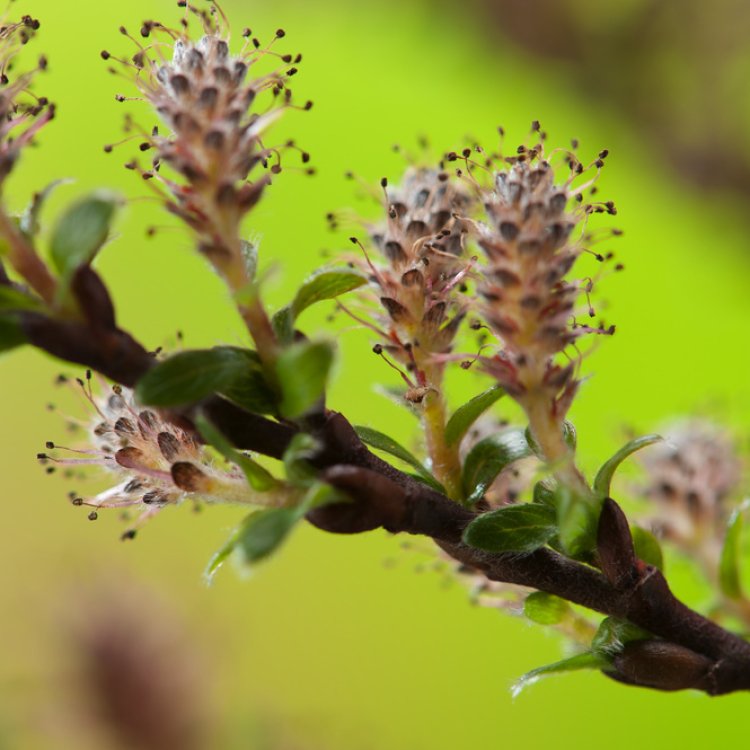
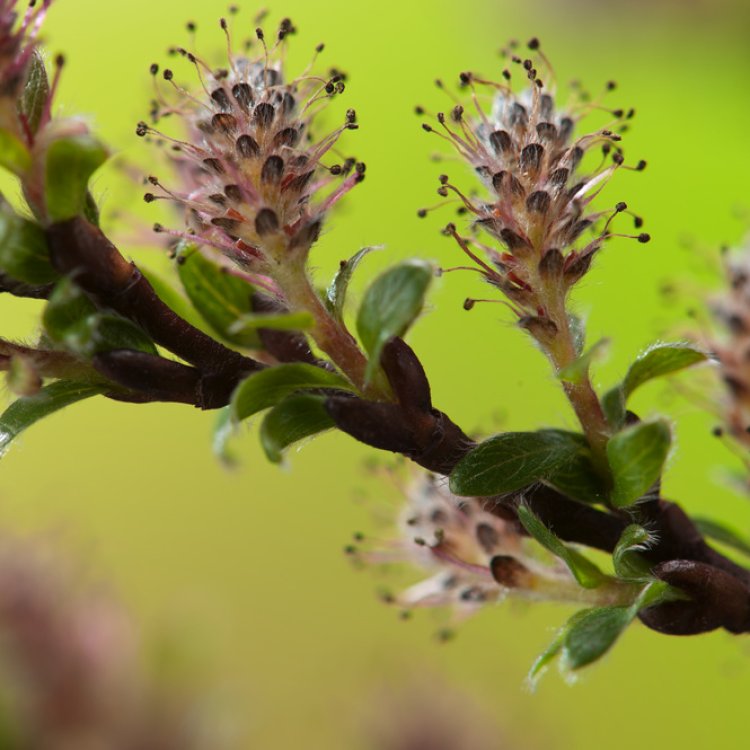
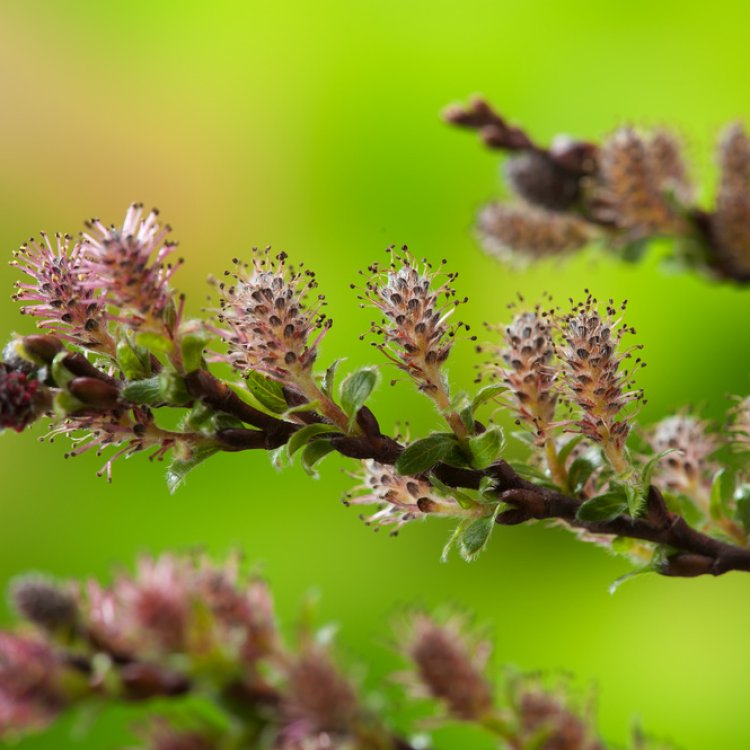
The foliage of Salix repens provides gentle beauty. Its small, oval leaves often exhibit a subtle, silvery sheen, especially when young. These leaves offer interest throughout the growing season. However, the true spectacle arrives in early spring. Before the leaves fully emerge, the Creeping Willow produces delightful catkins. Initially silvery, these fuzzy structures soon mature, revealing golden pollen. They create a wonderful visual contrast against the awakening garden. Furthermore, these catkins are incredibly important.
The versatile nature of Salix repens makes it perfect for numerous garden applications. It excels as a natural ground cover, suppressing weeds and stabilising soil on banks or slopes. You can use it to edge borders, providing a soft, flowing boundary. Moreover, it fits perfectly in rockeries, alpine gardens, or along the margins of ponds. Its ability to thrive in damp conditions makes it useful for bog gardens.
This hardy plant also benefits local wildlife significantly. Its early catkins offer an essential, early nectar and pollen source for bees and other vital pollinators. They help these crucial insects emerge from winter dormancy. Small birds and insects may also find shelter within its dense, low-lying branches.
This Creeping Willow is remarkably low maintenance, making it an ideal choice for busy gardeners. It generally requires minimal pruning. However, you can lightly prune Salix repens to maintain its desired shape or limit its spread. This simple task is best carried out after flowering. The plant shows good tolerance for various conditions, including coastal exposure. As a result, it is a robust addition to many UK garden types.
Hardy in the harshest UK conditions and below. Suitable for mountain regions.
Salix repens thrives in moist, well-drained soil and prefers full sun to partial shade. Water regularly, particularly during establishment and dry spells, though it tolerates damp conditions. Minimal pruning is required; simply trim lightly after flowering to maintain shape or control spread. This robust plant is suitable for coastal areas and generally low maintenance.
This plant is deciduous so it will lose all of its leaves in the autumn and get fresh new foliage each spring.