£7.76 – £9.18Price range: £7.76 through £9.18
Viburnum plicatum Kilimandjaro is a captivating deciduous shrub. It features stunning tiered branches, white lacecap flowers in spring, and vibrant autumn foliage. Perfect for adding architectural elegance and multi-seasonal interest to UK gardens.
158 in stock
Discover the elegance of Viburnum plicatum Kilimandjaro, a stunning deciduous shrub famed for its tiered growth and profusion of white, lacecap flowers.
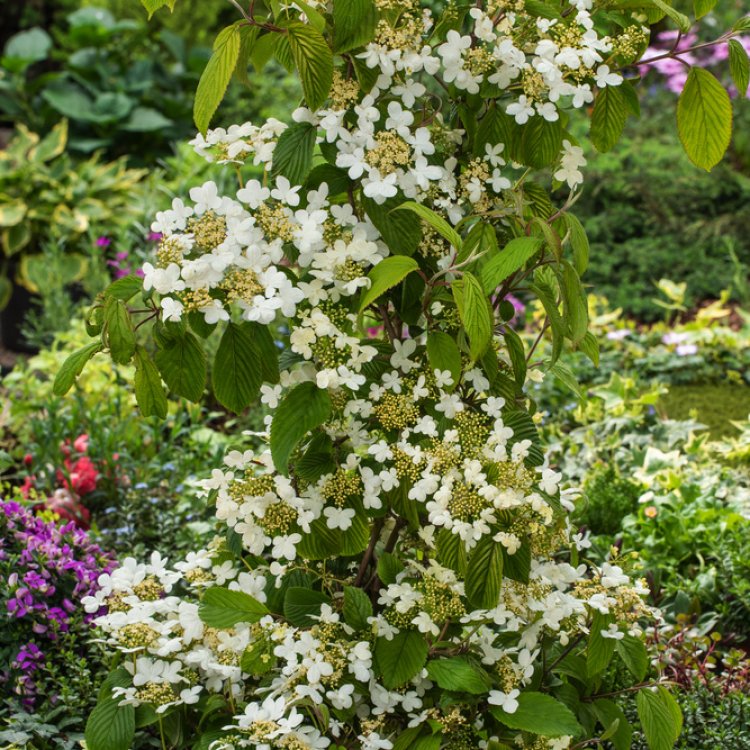
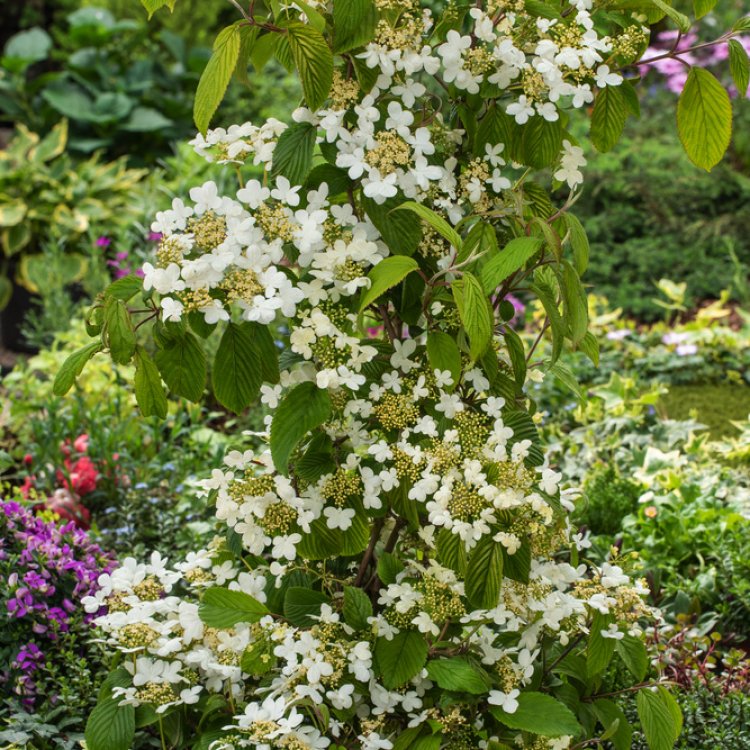
This award-winning plant brings unique structural beauty to any UK garden. Inspired by the majestic African mountain, its distinct layered branches create a striking architectural silhouette, especially noticeable when adorned with blooms. A truly captivating specimen, it promises seasonal interest from spring through to autumn. It is a fantastic choice for gardeners seeking both beauty and a manageable growth habit.
The Viburnum plicatum species originates from the woodlands of East Asia. The ‘Kilimandjaro’ cultivar, however, is a more recent introduction, specifically bred for its upright, conical, and distinctly layered habit. Its name aptly reflects this magnificent shape, evoking images of the famous African peak. This plant truly stands out in the garden.
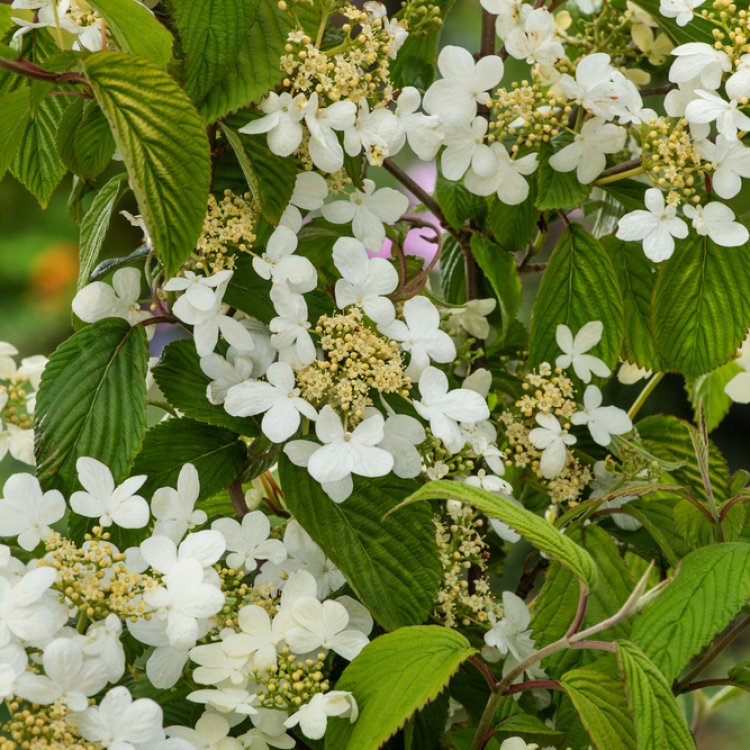
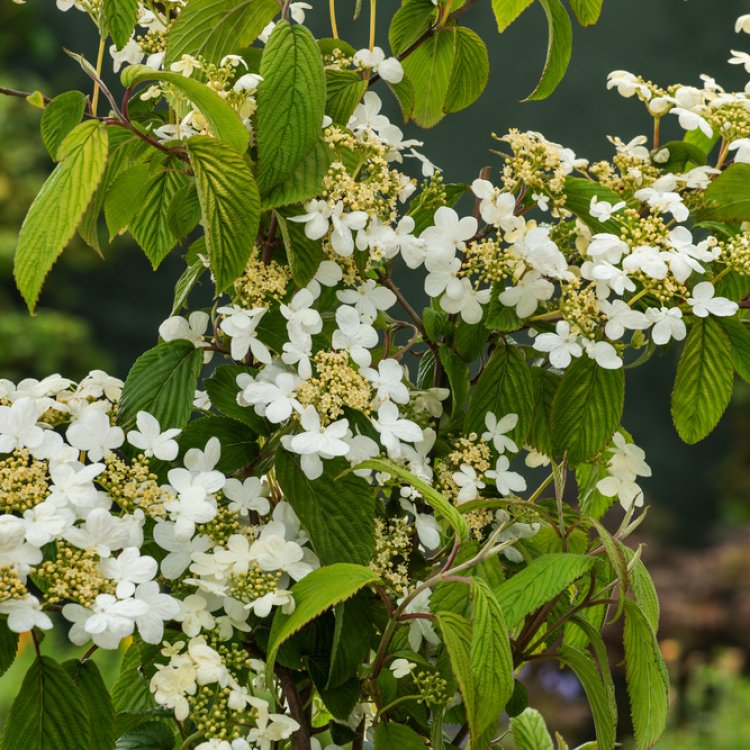
From late spring, Viburnum plicatum Kilimandjaro bursts into life with an incredible display of pure white, lacecap flowers. These delicate blooms cascade over its tiered branches, creating a breathtaking visual spectacle. Often, gardeners enjoy a second flush of flowers later in the season.
Throughout summer, its deeply veined, dark green leaves provide a lush backdrop. As autumn arrives, these leaves transform, developing glorious shades of purple and red, adding further ornamental value to your garden. This vibrant autumn colour ensures interest persists long after the flowers have faded.
Thanks to its distinctive, upright form and moderate size, Viburnum plicatum Kilimandjaro makes an outstanding specimen plant, drawing the eye wherever it is placed. It is also well-suited for mixed borders, woodland gardens, or even in larger containers on a patio. The plant’s structure provides year-round interest, while its abundant flowers serve as a valuable nectar source, attracting essential pollinators such as bees and butterflies. Minimal pruning is typically required, mainly to maintain its elegant shape or remove any dead wood after the main flowering period.
This hardy shrub thrives in most well-drained soils and prefers a position with full sun or partial shade. It establishes well in UK gardens, offering reliable performance.
Very hardy. Tolerates temperatures typical of a continental winter.
Ensure regular watering, especially during dry spells and in the plant's establishment phase. Feed with a general-purpose fertiliser in early spring. Minimal pruning is necessary; carry out any shaping or removal of dead/damaged wood after the main flowering period. Generally, this plant is trouble-free, though occasionally check for common pests like viburnum beetle or aphids.
This plant is deciduous so it will lose all of its leaves in the autumn and get fresh new foliage each spring.