£6.32 – £7.74Price range: £6.32 through £7.74
Philadelphus coronarius ‘Variegatus’ is a stunning variegated Mock Orange, featuring fragrant white flowers and eye-catching cream-edged foliage. This hardy deciduous shrub attracts pollinators, adding beauty and perfume to UK gardens from late spring.
180 in stock
Philadelphus coronarius ‘Variegatus’ is a captivating variegated mock orange, offering fragrant white flowers and striking foliage to UK gardens.
This splendid deciduous shrub, Philadelphus coronarius ‘Variegatus’, provides an elegant presence in any garden setting. Its origins trace back to Europe, where the species Philadelphus coronarius has long been cherished for its intensely fragrant blooms. The ‘Variegatus’ cultivar stands out with its distinctive cream-edged leaves. This creates visual interest even before its beautiful flowers appear. Gardeners appreciate its robust nature and the delightful sensory experience it brings.
The genus Philadelphus honours King Ptolemy II Philadelphus. Furthermore, the species name coronarius means ‘for garlands’. This refers to the plant’s use in ancient times. The ‘Variegatus’ cultivar specifically adds unique leaf colour to the classic Mock Orange. It offers a fresh twist on a garden favourite.
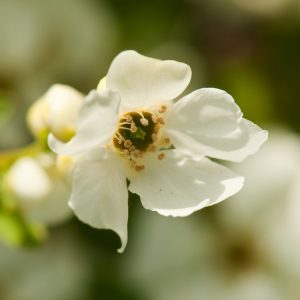
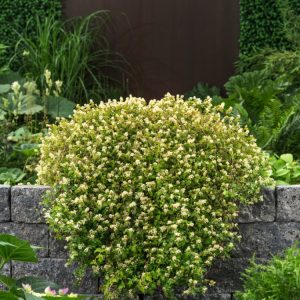
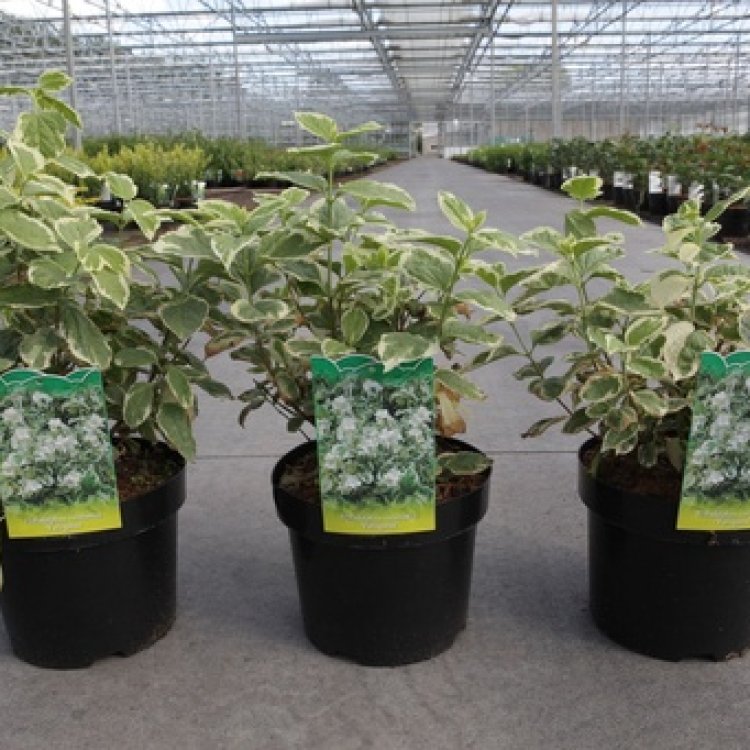
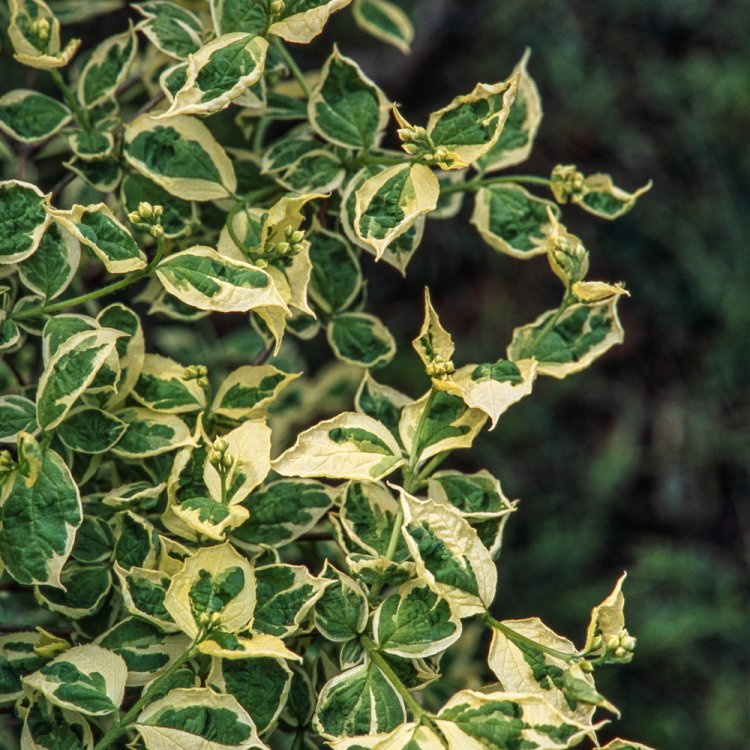
The foliage is a primary feature of this plant. Its ovate green leaves boast bold cream or yellow margins. This provides brightness throughout the growing season, thus illuminating shadier spots. In late spring to early summer, the shrub produces a profusion of single, cup-shaped, pure white flowers. These blooms release a sweet, citrusy fragrance. Many compare this scent to orange blossom, hence the common name ‘Mock Orange’. These flowers create a beautiful contrast with the variegated leaves.
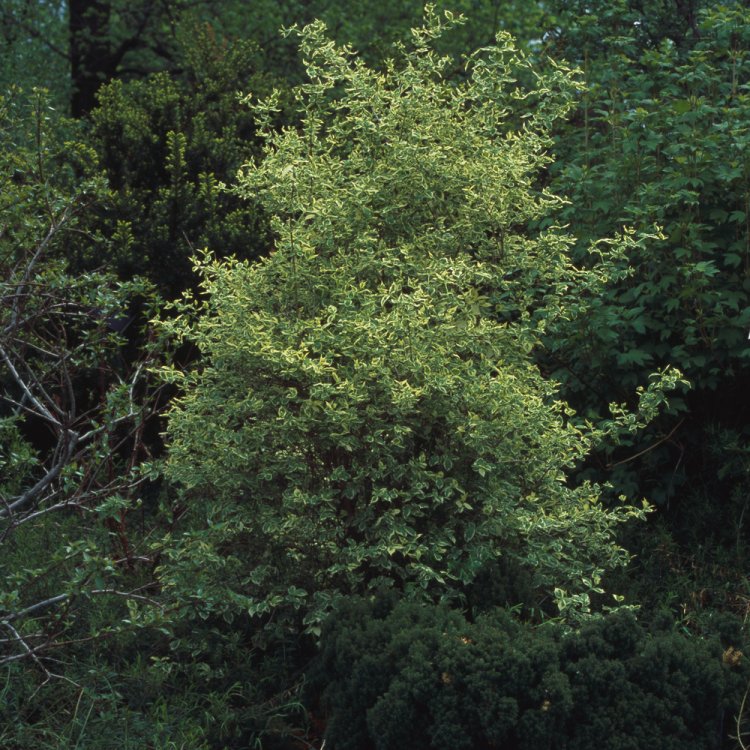
This versatile shrub enhances mixed borders with its dynamic presence. It also forms an attractive informal hedge. Alternatively, you can use it as a striking specimen plant. Its variegated leaves offer year-round appeal, even when not in bloom. Planting it near a path or seating area allows for full enjoyment of its delightful perfume. This creates an inviting atmosphere in your garden space.
Regular pruning is beneficial for this shrub. It helps maintain a good shape and promotes abundant flowering. Gardeners typically prune after the flowering period concludes. They remove spent blooms and any old or weak wood. This practice encourages strong new growth. Consequently, it ensures a continuous display of healthy foliage and numerous flowers in subsequent seasons.
Moreover, the fragrant flowers are a significant magnet for various pollinators. Bees frequently buzz around the nectar-rich blossoms. Similarly, butterflies also visit Philadelphus coronarius ‘Variegatus’ often. This makes it a valuable addition to wildlife-friendly gardens, actively supporting local ecosystems.
Very hardy. Tolerates temperatures typical of a continental winter.
This plant is deciduous so it will lose all of its leaves in the autumn and get fresh new foliage each spring.