£7.16 – £8.59Price range: £7.16 through £8.59
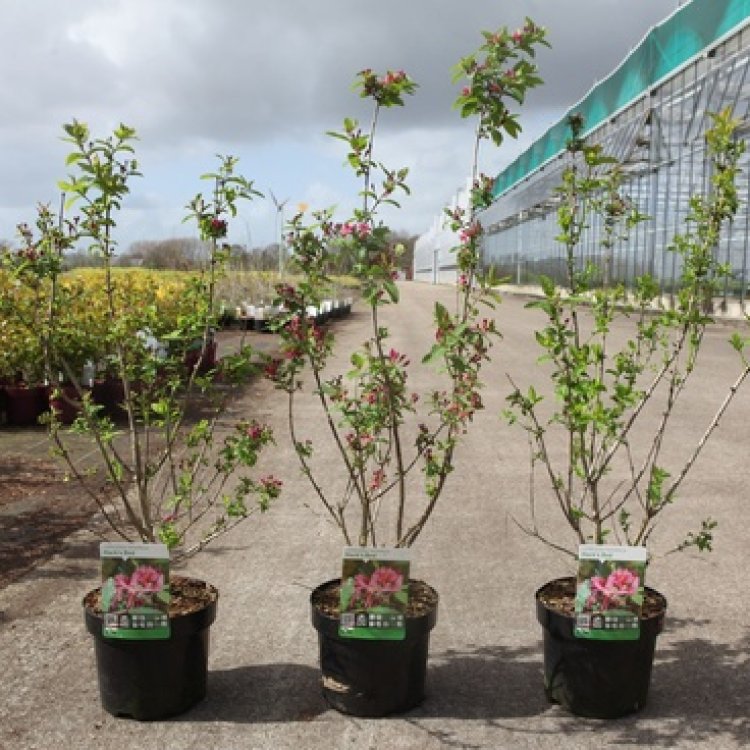
Lonicera tatarica ‘Hack’s Red’ is a robust, deciduous shrub showcasing vibrant red, trumpet-shaped flowers from late spring to early summer. Perfect for UK gardens, it attracts essential pollinators and birds, offering both beauty and ecological benefit.
360 in stock
Discover the vibrant allure of Lonicera tatarica ‘Hack’s Red’, a hardy deciduous shrub bringing cheerful red blooms and lush foliage to any UK garden.
Lonicera tatarica ‘Hack’s Red’ is an outstanding specimen among garden shrubs, widely known for its profusion of striking red flowers. This popular cultivar of the Tatarian Honeysuckle offers a magnificent display, particularly through the late spring and early summer months. Originally hailing from parts of Asia, this robust plant has adapted beautifully to the diverse climates found across the United Kingdom. Its vigorous growth and captivating blooms make it a cherished choice for many garden designs, providing both visual appeal and ecological benefits.
The Lonicera tatarica ‘Hack’s Red’ cultivar stands out with its intensely coloured blooms. The species, Tatarian Honeysuckle, gets its name from its native range in Tartary, a historical region of Asia. A breeder or nursery likely named this particular selection, ‘Hack’s Red’, to highlight its distinctively vibrant red flowers. Gardeners appreciate this plant for its resilient nature and generally easy-care profile.
Throughout late spring and early summer, Lonicera tatarica ‘Hack’s Red’ produces a stunning flush of rich, dark red, trumpet-shaped flowers. These elegant blooms emerge abundantly, often in pairs, along the branches. Following the flowers, small, bright red berries develop. They offer additional visual interest and are a particular favourite of garden birds. The shrub’s foliage consists of oval, mid-green leaves. These offer a pleasing contrast to the colourful blossoms. As a deciduous plant, its leaves gracefully turn yellow in autumn. This change marks the end of the growing season before they fall.
This versatile shrub fits well into many garden settings. It makes a superb focal point in a mixed border, creating a splash of colour. Also, gardeners often use Lonicera tatarica ‘Hack’s Red’ to form an informal hedge or screen. This provides privacy and shelter. Its dense growth offers excellent cover for various garden creatures. Critically, the plant is a magnet for wildlife. Its nectar-rich flowers attract vital pollinators like bees and butterflies. Later, the berries provide an important food source for many bird species. This further enhances garden biodiversity. Pruning is best done after flowering to maintain shape or control size. Remove any dead or weak stems to promote healthy new growth.
Hardy in the harshest UK conditions and below. Suitable for mountain regions.
Water newly planted Lonicera tatarica 'Hack's Red' regularly until established. Prune annually after flowering to maintain shape and size, removing any dead, damaged, or weak stems to encourage vigorous new growth. This plant is generally low-maintenance once established, requiring minimal fuss. A general-purpose fertiliser can be applied in spring to support healthy growth and flowering.
This plant is deciduous so it will lose all of its leaves in the autumn and get fresh new foliage each spring.