£6.80 – £8.23Price range: £6.80 through £8.23
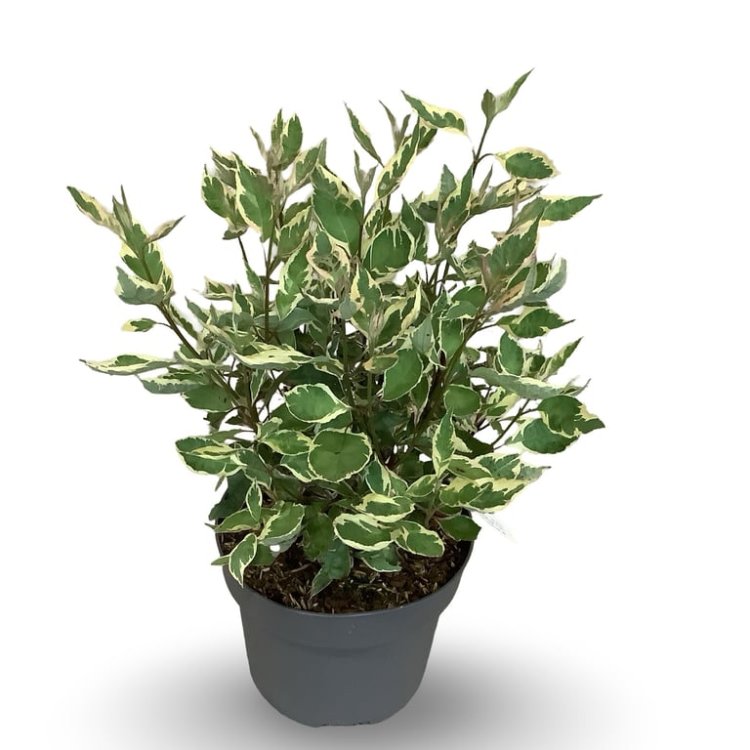
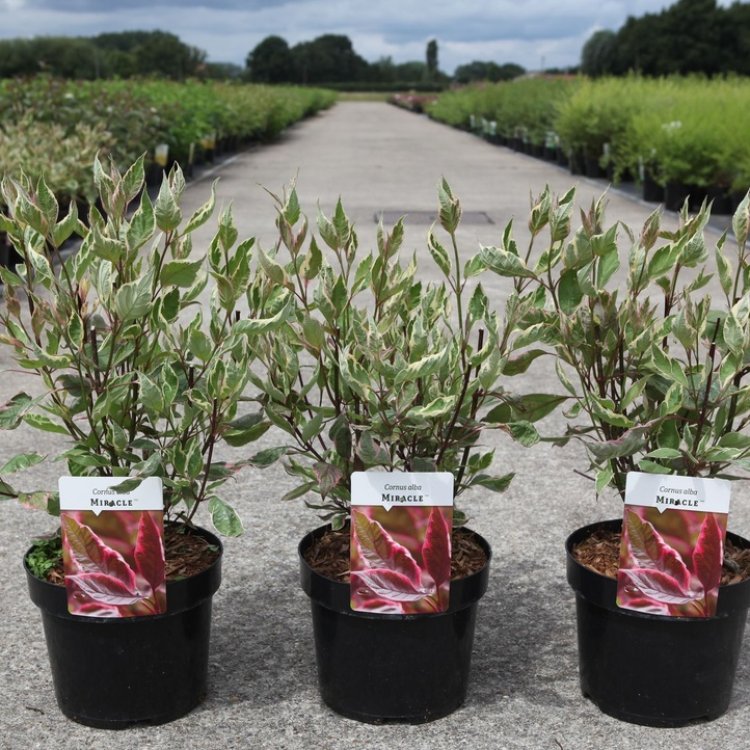
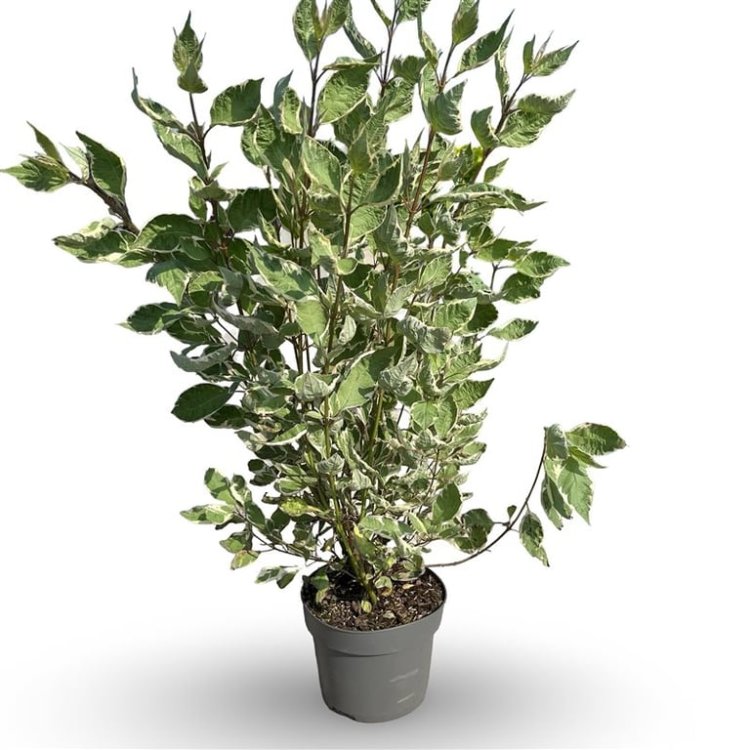
Cornus alba Miracle is a truly stunning deciduous shrub. It offers brilliant crimson-red winter stems and captivating variegated green, cream, and pink foliage. This easy-to-grow plant brings year-round colour and wildlife appeal to any UK garden.
176 in stock
Discover Cornus alba Miracle, a truly remarkable plant offering vibrant crimson-red winter stems and stunning variegated foliage for year-round garden interest.
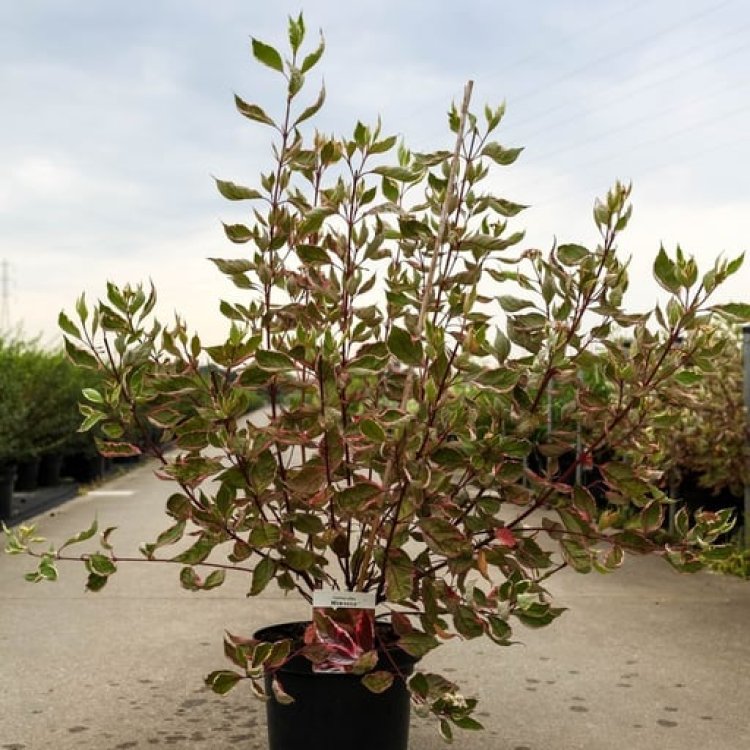
The Cornus alba Miracle is a truly special deciduous shrub. It brings a kaleidoscope of colour to any garden, proving itself a star in every season. This hardy plant features eye-catching variegated leaves, showcasing shades of green, cream, and often pink. Then, as autumn arrives, the foliage transforms before revealing its most striking attribute: brilliant red stems through the colder months. Its resilience and beauty make it a favoured choice for UK gardeners looking to add dynamic visual appeal.
The botanical name Cornus alba Miracle refers to a distinct cultivar of the Red-barked Dogwood. Gardeners also know it as White Dogwood. The genus ‘Cornus’ comes from the Latin word for horn, reflecting the hardness of its wood. ‘Alba’ translates to white, referencing its clusters of white flowers and berries. The ‘Miracle’ designation truly captures its incredible year-round transformation and enduring appeal within the garden.
This deciduous shrub delivers exceptional visual interest across all seasons. In spring, delicate clusters of creamy-white flowers appear. These blooms create a subtle charm. Soon after, its striking variegated foliage develops. Each green leaf features a broad, creamy-white margin.
As summer progresses into autumn, these margins often take on a beautiful pink flush. This adds another layer of colour before leaf fall. After the leaves drop, the plant reveals its most famous asset. The bright, vivid crimson-red stems stand out vividly against winter’s often muted palette.
Cornus alba Miracle performs wonderfully in various garden settings. Plant it at the back of borders for structural interest. Group several together for an impactful mass planting, or use them to create an informal, colourful hedge. Its compact nature also suits smaller spaces.
Importantly, this plant welcomes local wildlife. Its small flowers provide nectar for bees and other pollinators during spring. Later in the year, the white berries offer a valuable food source for various bird species. This helps to support garden biodiversity effectively.
Gardeners often prune this dogwood to maximise its stunning winter stem colour. Hard pruning, known as coppicing, in late winter or early spring encourages the growth of new, brightly coloured shoots. You can cut stems back close to the ground. This simple annual task ensures a spectacular display of crimson hues when the garden needs it most. Its adaptable nature means it thrives in many UK gardens with minimal fuss.
Hardy in the harshest UK conditions and below. Suitable for mountain regions.
This plant is deciduous so it will lose all of its leaves in the autumn and get fresh new foliage each spring.