£9.09 – £11.45Price range: £9.09 through £11.45
Grow Rubus fruticosus ‘Thornless Evergreen’ for abundant, sweet blackberries without thorns. Its evergreen foliage adds year-round interest, while summer flowers attract pollinators. This easy-to-manage plant thrives in UK gardens, offering both beauty and delicious fruit.
530 in stock
Discover Rubus fruticosus ‘Thornless Evergreen’, a delightful and productive blackberry bush perfect for UK gardens. It offers sweet fruit and lush foliage.
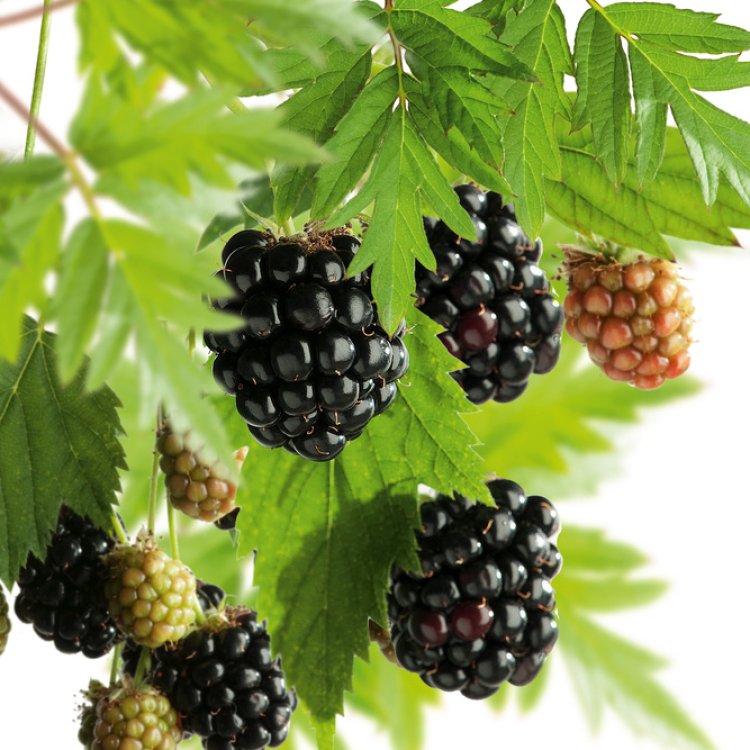
This exceptional cultivar brings delicious, juicy blackberries without the usual prickly challenges. As its name suggests, Rubus fruticosus ‘Thornless Evergreen’ lacks thorns, making harvesting a pleasure. Gardeners value this plant for its robust growth and attractive, evergreen leaves. It truly combines ornamental appeal with practical fruit production, thriving across many UK garden settings. This makes it a firm favourite among fruit growers and landscape enthusiasts alike.
Rubus fruticosus ‘Thornless Evergreen’ is a highly valued blackberry cultivar. This particular variety belongs to the diverse Rubus genus, known for its edible berries. The species name ‘fruticosus’ describes its shrubby growth, while ‘Thornless Evergreen’ highlights its most desirable characteristics. Indeed, its lack of thorns makes it notably safer and simpler to manage. Furthermore, its evergreen leaves maintain a green presence even in winter months.
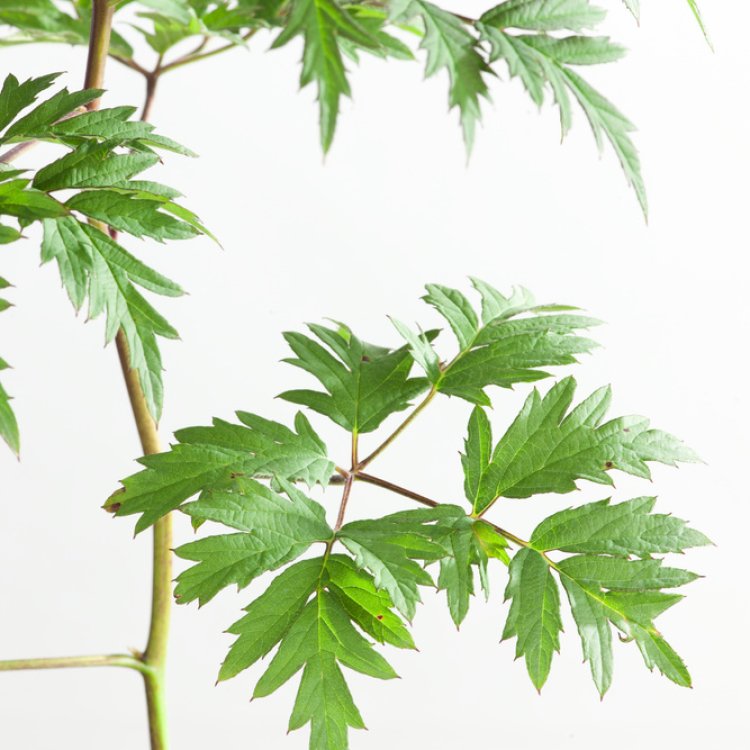
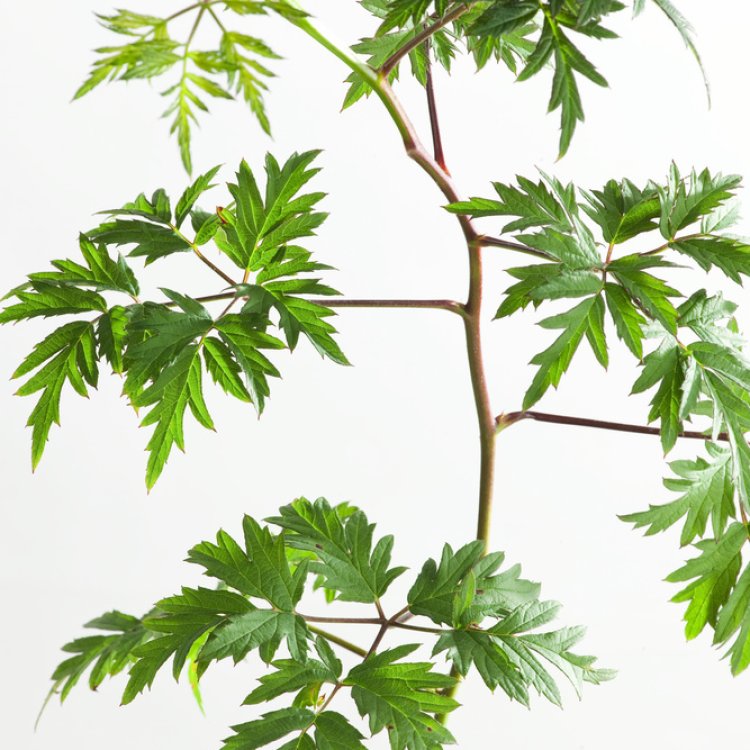
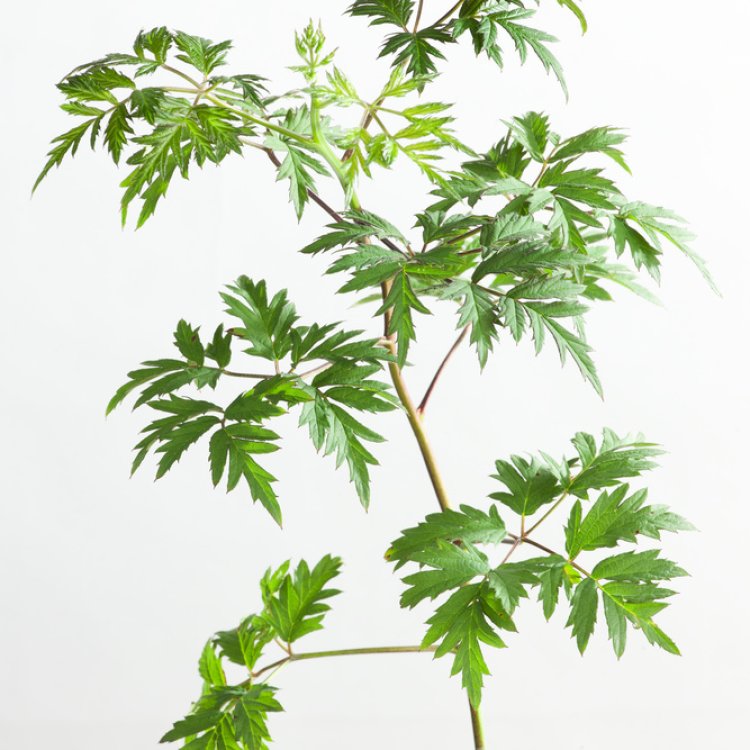
In early summer, ‘Thornless Evergreen’ displays charming white or pale pink flowers. These small blooms appear in clusters, creating a lovely contrast against the deep green foliage. Importantly, bees and other beneficial insects visit these flowers, aiding pollination. Following these blooms, the plant develops its familiar dark berries. The leaves themselves are deeply lobed and a rich, vibrant green. They stay on the plant throughout the year, adding constant visual appeal to your garden.
This versatile blackberry plant fits many garden roles. You can train it effectively against a wall or fence. Also, it makes a wonderful feature over an archway or pergola. Its vigorous nature means it quickly covers unsightly areas. Alternatively, use Rubus fruticosus ‘Thornless Evergreen’ to create an informal, edible hedge. It also works well as a decorative climber, giving both beauty and bountiful fruit. Its evergreen nature makes it a good choice for year-round screening.
Regular pruning benefits ‘Thornless Evergreen’. Cut back old, fruited canes after harvest. This encourages new, productive growth for the following year. Pruning also maintains the plant’s shape and vigour. Beyond human enjoyment, this blackberry offers great wildlife value. Its flowers provide nectar for bees. Later, the ripe fruits become a food source for birds and small mammals. This plant therefore enhances biodiversity in your garden.
Very hardy. Tolerates temperatures typical of a continental winter.
Pruning: Annually prune fruited canes (those that bore fruit in the current season) down to the ground after harvest, typically in late autumn or winter. Tie in new canes to your support system, spacing them for good air circulation and light penetration.
Watering: Keep the soil consistently moist, especially during dry spells and when fruits are developing. Young plants need regular watering to establish.
Feeding: Apply a balanced granular fertiliser in early spring, or use a good quality compost mulch around the base of the plant.
Pests & Diseases: Generally robust, but watch for common pests like aphids or diseases like rust. Good air circulation and hygiene help prevent problems. Remove any diseased leaves promptly.