£6.53 – £7.24Price range: £6.53 through £7.24
Hakonechloa macra, Japanese forest grass, offers gracefully arching foliage that turns brilliant gold in autumn. This low-maintenance, clump-forming perennial thrives in UK gardens, adding texture and movement to borders, containers, or as ground cover.
584 in stock
Hakonechloa macra is a stunning ornamental grass, celebrated for its gracefully arching foliage, which brings unique texture and movement to UK gardens.
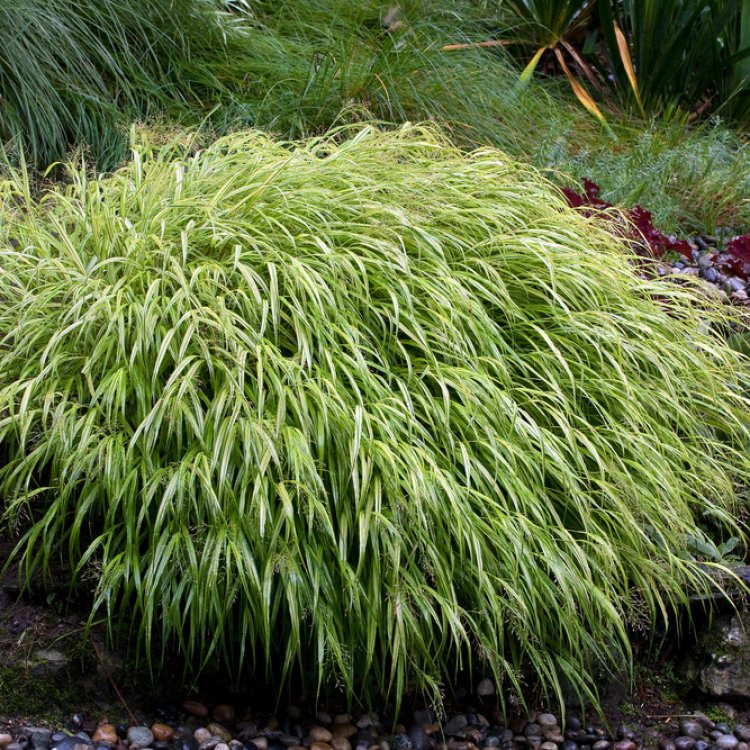
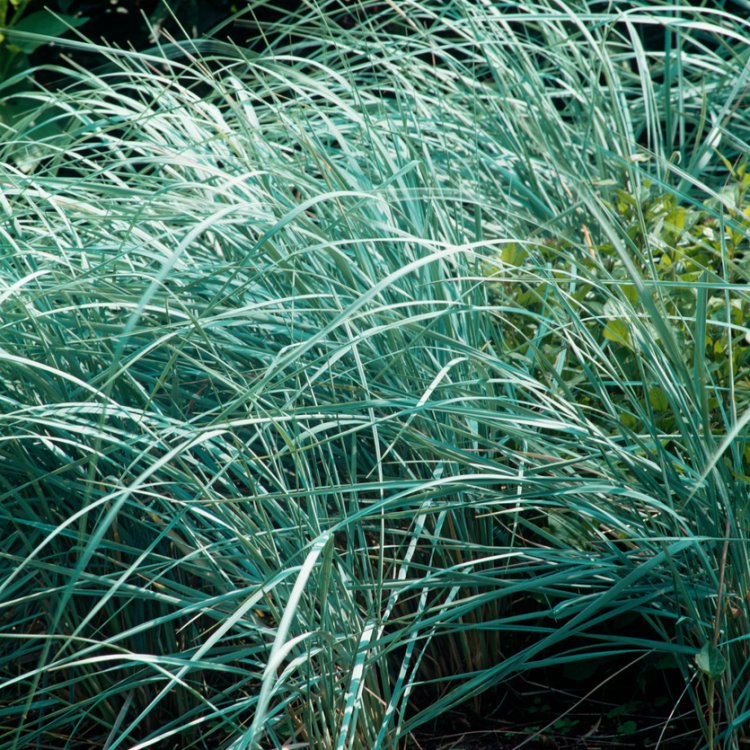
Japanese forest grass, also known as Hakonechloa macra, is a deciduous perennial originating from the moist, rocky slopes of Honshu, Japan. This elegant plant forms beautiful, flowing mounds, adding a refined touch to diverse garden styles. Its distinctive bamboo-like leaves create a soft, cascading effect, making it a favourite among garden enthusiasts. Furthermore, it offers excellent ground cover and performs well in various light conditions across British gardens.
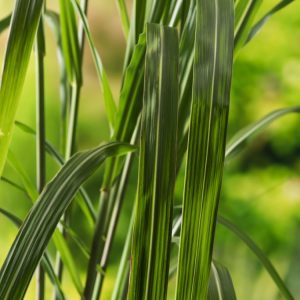
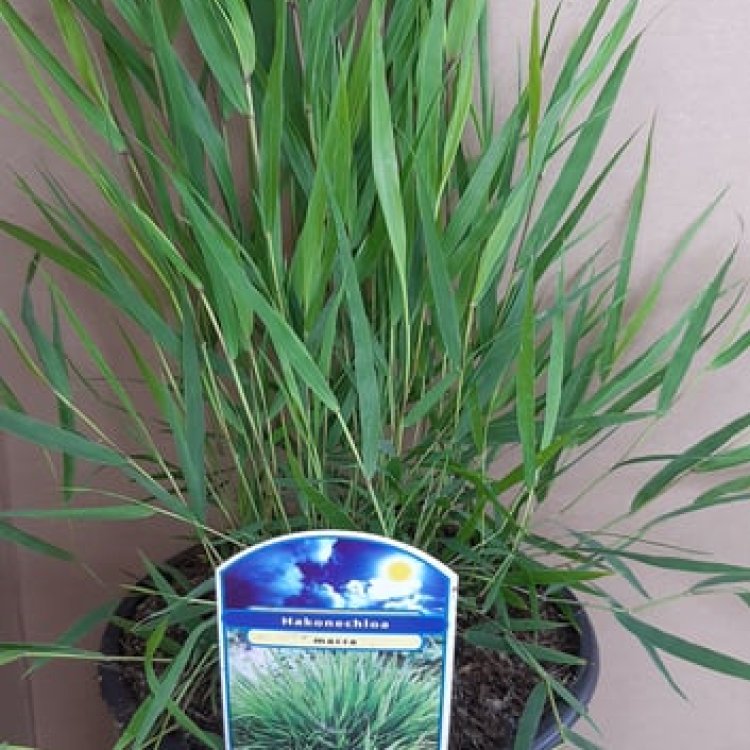
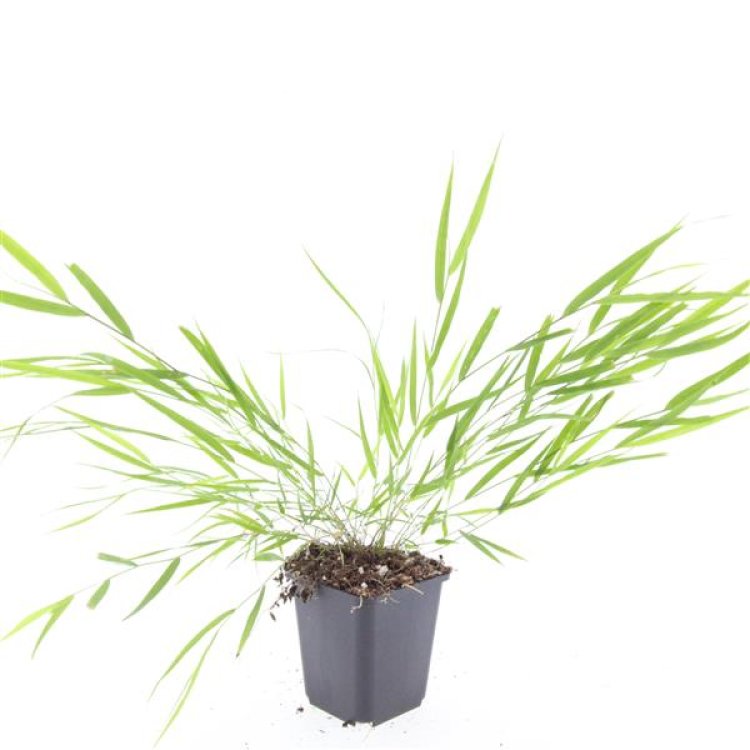
Hakonechloa macra, commonly known as Japanese forest grass, showcases truly captivating foliage. Its slender leaves emerge a fresh, vibrant green in spring. As the season progresses, they mature, maintaining their lush colour throughout summer. Consequently, this creates a calming, verdant presence in your garden space. The leaves then transition into glorious shades of gold, bronze, and sometimes even red as autumn arrives. This seasonal colour change offers prolonged visual interest. The plant’s name derives from the Hakone region of Japan and the Greek word ‘chloa’ for grass; ‘macra’ means large or long, referencing its graceful form.
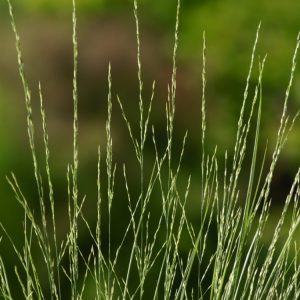
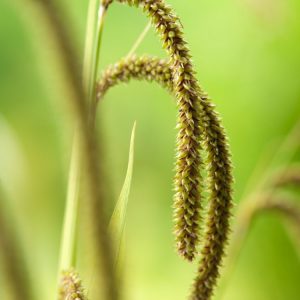
This beautiful ornamental grass develops a distinctive, flowing habit. It forms dense, low mounds of foliage which gently arch outwards. This creates a waterfall-like effect. Hakonechloa macra grows in a clumping manner, so it spreads slowly, but never becomes invasive. Small, inconspicuous flower spikelets emerge in late summer and early autumn. These flowers are usually a soft green or tan colour. While not overtly showy, they add a subtle texture to the plant’s overall appeal. Furthermore, they rise just above the main body of the leaves.
Hakonechloa macra proves remarkably versatile in UK garden designs. Many gardeners use it effectively as a luxurious ground cover, especially in shadier spots where few other plants thrive. Moreover, its neat, uniform growth makes it perfect for edging pathways or borders, defining garden areas with elegance. Plant it in containers too, where its cascading habit can really be appreciated. It also provides a wonderful contrast to broad-leaved plants, adding fine texture to mixed borders. This creates a dynamic and appealing landscape.
This grass generally requires minimal attention once established. Unlike many flowering plants, Hakonechloa macra does not specifically attract bees or butterflies due to its inconspicuous flowers. However, its dense structure does offer shelter for small garden creatures. You typically do not need to prune this plant for shaping. Instead, simply cut back the old, faded foliage in late winter or early spring. This allows fresh, new growth to emerge unimpeded. Thus, its ease of care contributes to its widespread appeal.
Very hardy. Tolerates temperatures typical of a continental winter.
Hakonechloa macra thrives with consistent moisture, especially during dry spells; avoid waterlogging. Apply a balanced, slow-release granular fertiliser in early spring to support lush growth. Pruning is minimal: simply cut back the old, faded foliage to ground level in late winter or early spring, before new shoots appear. This helps maintain a tidy appearance and encourages fresh growth. Generally, this plant is resistant to most pests and diseases. If grown in containers, consider moving them to a sheltered spot or providing winter protection in very cold regions of the UK to protect the roots from hard frosts. Divide overcrowded clumps every few years in spring to rejuvenate the plant and ensure continued vigour.
This plant is deciduous so it will lose all of its leaves in the autumn and get fresh new foliage each spring.