£5.85 – £7.25Price range: £5.85 through £7.25
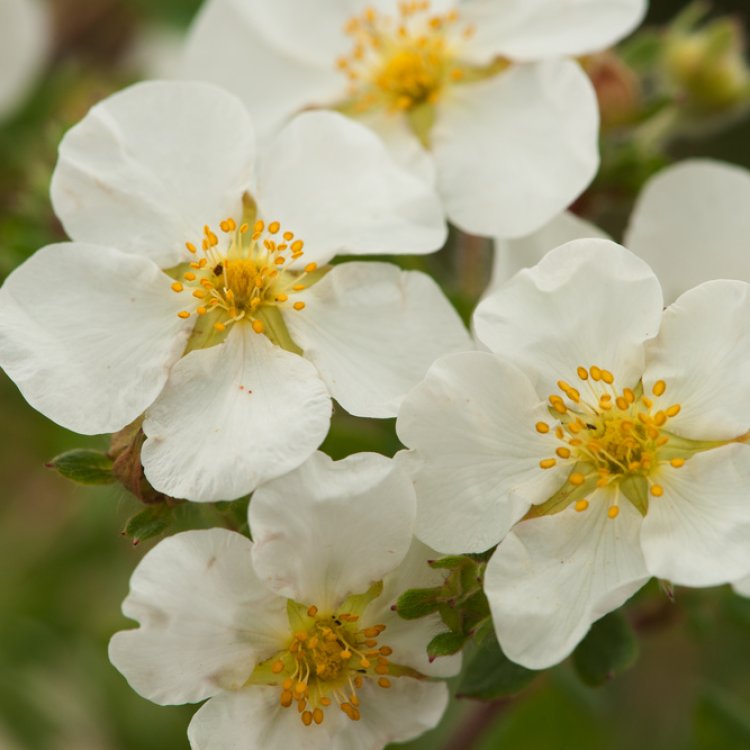
Potentilla fruticosa ‘Abbotswood’, a Shrubby Cinquefoil, boasts abundant pure white flowers from late spring to autumn. This compact, easy-care deciduous shrub is perfect for borders, hedging, or containers, bringing continuous charm and attracting pollinators to UK gardens.
608 in stock
Discover Potentilla fruticosa ‘Abbotswood’, a delightful deciduous shrub celebrated for its profusion of bright white flowers and robust nature, perfect for UK gardens.
Potentilla fruticosa ‘Abbotswood’, often known as Shrubby Cinquefoil, brings enduring charm to any garden space. This resilient cultivar offers a long season of interest with its crisp white blooms and attractive foliage. Gardeners frequently choose this plant for its easy-care nature and adaptability to various garden settings. It forms a dense, mounded habit, creating a neat and appealing presence throughout the growing season. Consequently, it has become a firm favourite for many gardeners seeking reliable, long-flowering shrubs.
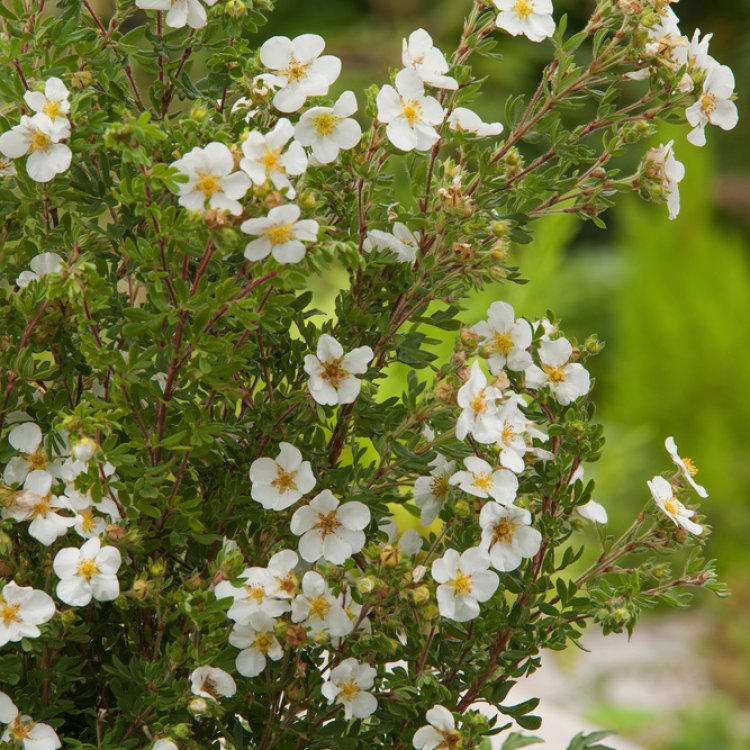
The genus name Potentilla derives from the Latin ‘potens’, meaning powerful, hinting at the traditional medicinal uses of some species. The specific epithet ‘fruticosa’ indicates its shrubby growth habit. ‘Abbotswood’ is a well-established cultivar, selected for its superior flowering and neat form. This plant typically forms a bushy, spreading shrub, reaching modest dimensions that fit well into most garden designs.
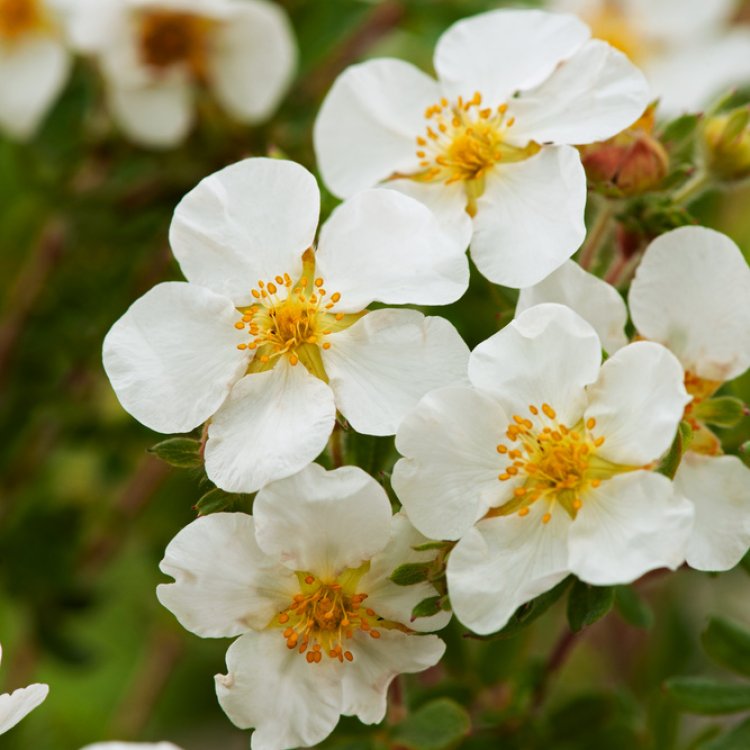
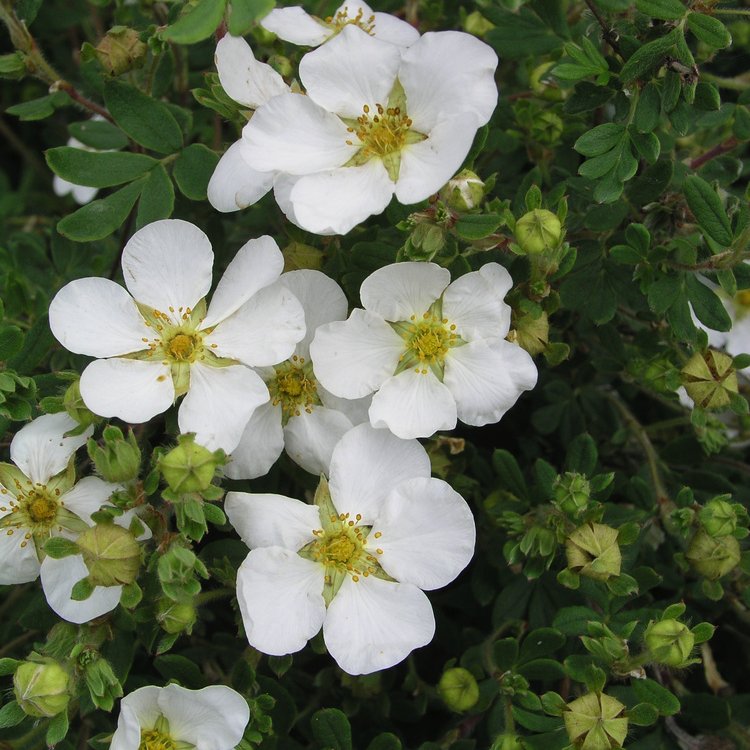
Potentilla fruticosa ‘Abbotswood’ captivates with its abundant pure white flowers. These delicate, five-petalled blooms resemble tiny wild roses and emerge profusely. They provide a continuous display from May right through to October in UK gardens. Furthermore, its small, pinnate leaves offer a fine texture, appearing a fresh green colour throughout the growing season. As a deciduous shrub, its foliage sheds in autumn, giving way to a brief dormancy before new growth appears in spring.
This Shrubby Cinquefoil proves incredibly versatile in the landscape. Gardeners often use it to edge borders, creating a defined line with its compact growth. It works wonderfully as low hedging, providing structure without overwhelming a space. Moreover, ‘Abbotswood’ makes excellent ground cover when planted in groups, suppressing weeds effectively. Its neat size also means it thrives in rockeries or larger containers, making it suitable for patios and smaller gardens. Wherever you place it, it adds a touch of classic charm.
To maintain its attractive shape and encourage continuous flowering, Potentilla fruticosa ‘Abbotswood’ benefits from light pruning. A simple trim after its main flush of flowers or in late winter helps keep it tidy. Alternatively, an older plant might appreciate a harder rejuvenation prune in early spring. Importantly, this plant serves as a vital resource for garden wildlife. Its open flowers are particularly appealing to a variety of pollinators, including buzzing bees and fluttering butterflies. Consequently, planting ‘Abbotswood’ helps support local biodiversity and brings natural vibrancy to your outdoor space.
Very hardy. Tolerates temperatures typical of a continental winter.
This plant is generally low maintenance. Prune lightly after the main flowering period to maintain shape and encourage new blooms. For older, overgrown plants, a more substantial rejuvenation prune can be carried out in late winter or early spring. Water regularly until established; thereafter, it is quite drought tolerant. Apply a general-purpose fertiliser in spring for optimal growth, though it is not strictly necessary.
This plant is deciduous so it will lose all of its leaves in the autumn and get fresh new foliage each spring.