£6.80 – £8.23Price range: £6.80 through £8.23
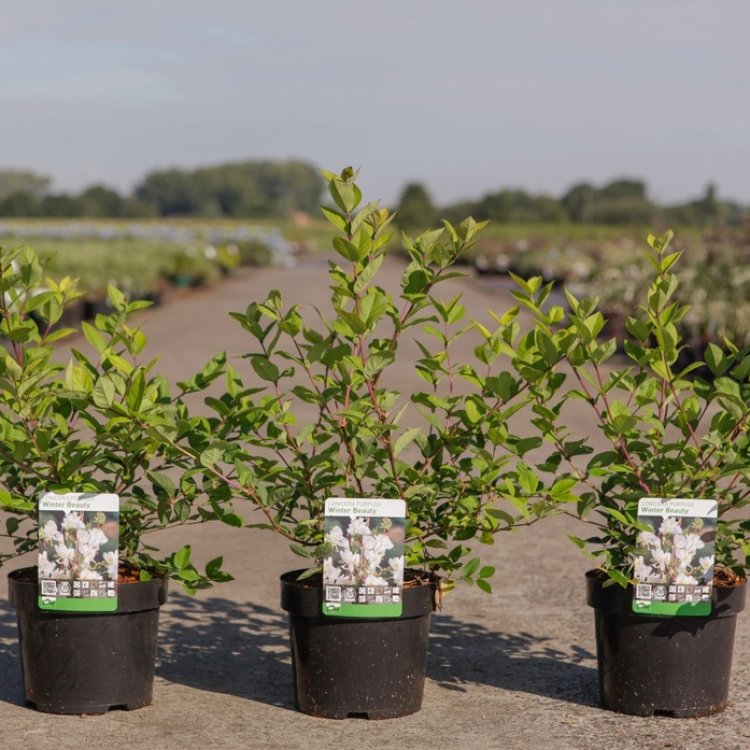
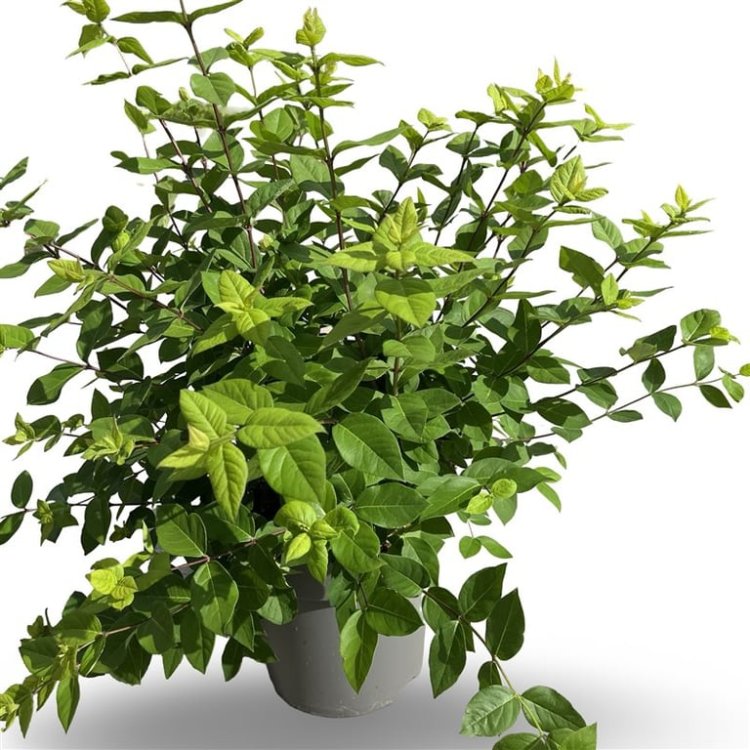
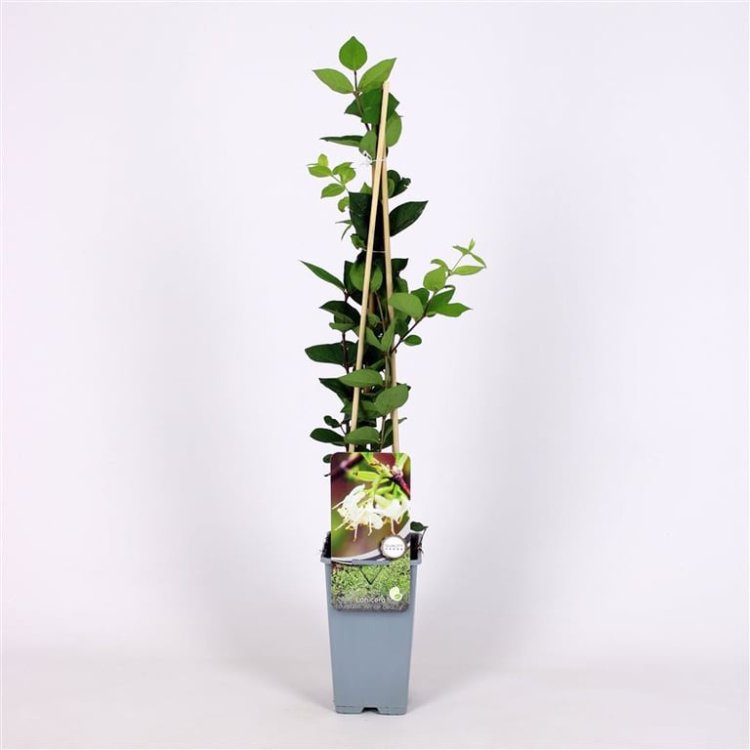
Lonicera purpusii ‘Winter Beauty’ is a fragrant winter honeysuckle, blooming creamy-white flowers from December to March. This deciduous shrub offers vital early nectar for bees, thriving in UK gardens with its sweet scent and charming winter display.
309 in stock
Discover Lonicera purpusii ‘Winter Beauty’, a remarkable winter-flowering shrub bringing fragrant blooms and cheer to UK gardens during the colder months.
As winter’s chill settles across the UK, Lonicera purpusii ‘Winter Beauty’ emerges as a true garden star. This hybrid winter honeysuckle offers an enchanting display when little else is in bloom. It fills the air with its sweet, citrus-like fragrance, a welcome surprise on a cold day. Gardeners value this plant for its ability to brighten even the dreariest winter landscape. Its early flowers provide vital food for active bees.
Lonicera purpusii ‘Winter Beauty’ is a vigorous, deciduous hybrid shrub. It resulted from a cross between Lonicera fragrantissima and Lonicera standishii. Its common name, Winter Honeysuckle, aptly describes its key characteristic. This plant truly comes alive in the depths of winter.
It bears beautiful, creamy-white flowers on bare stems. These small, tubular blossoms often have a subtle purple tinge. They appear in clusters, creating a stunning visual impact. Their strong, sweet perfume is its standout feature. This delightful scent carries far, often surprising passers-by in UK gardens.
This hybrid thrives in various UK garden settings. It tolerates full sun to partial shade. The name ‘purpusii’ honours German botanists Joseph and Carl Purpus. ‘Winter Beauty’ refers to its stunning winter flowering display. It forms a substantial, bushy shrub, reaching up to 2.5 metres in both height and spread.
Gardeners often prune this plant after flowering in spring. This helps maintain its shape and encourages new blooms. Regular pruning removes old or crossing stems. This practice keeps your Winter Honeysuckle vigorous. It ensures a consistent, fragrant show year after year.
Its deciduous nature means leaves drop in autumn. However, its fragrant flowers emerge from December to March. After flowering, fresh green foliage soon follows. This provides summer interest.
This plant is highly beneficial for wildlife. Its early flowers offer a crucial nectar source for queen bees. These bees often emerge seeking food during winter warm spells. Providing this food helps support their vital populations throughout the UK.
Very hardy. Tolerates temperatures typical of a continental winter.
Lonicera purpusii 'Winter Beauty' is generally low maintenance. Plant in well-drained soil in a sunny or partially shaded spot. Water regularly during dry spells, especially when establishing. Prune after flowering in late winter/early spring to maintain shape and vigour, removing old or congested stems. This encourages a strong display for the following season. Protect young plants from severe frost.
This plant is deciduous so it will lose all of its leaves in the autumn and get fresh new foliage each spring.