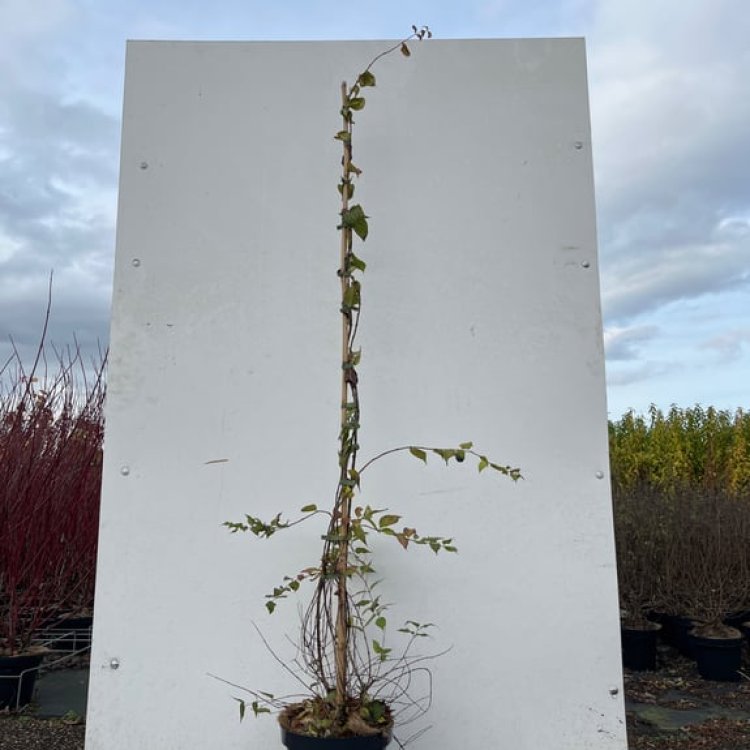
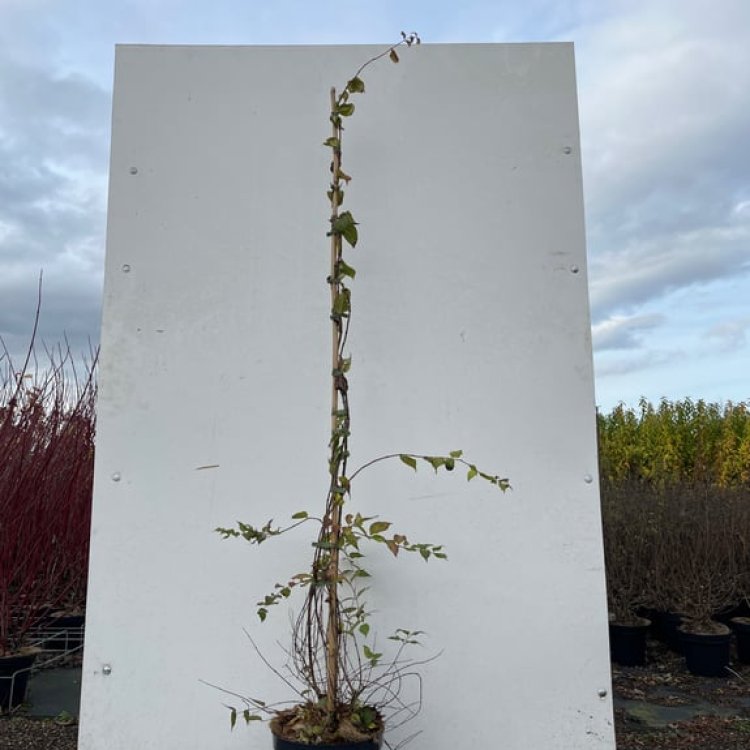

£6.08 – £7.51Price range: £6.08 through £7.51
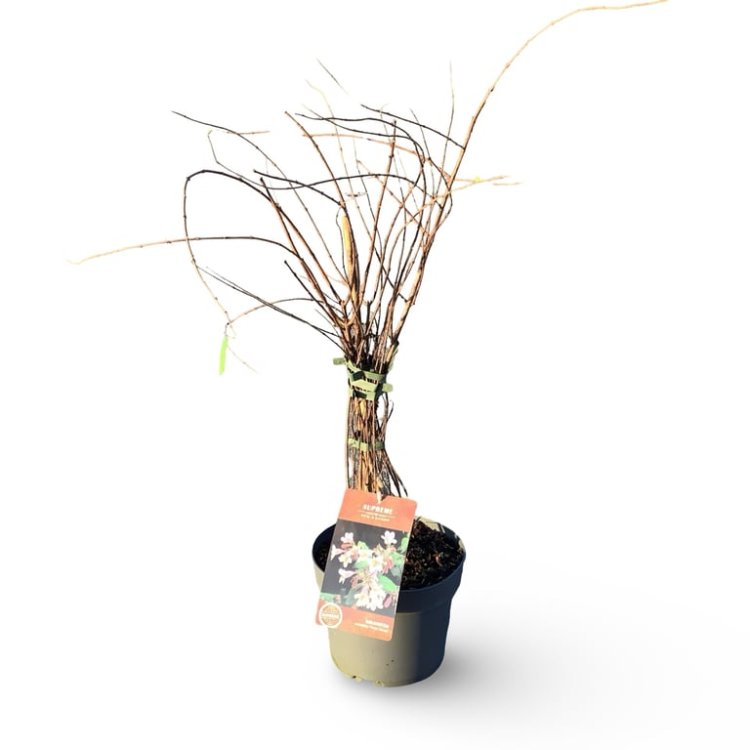
Kolkwitzia amabilis ‘Pink Cloud’, the charming Beauty Bush, offers masses of delicate pink bell flowers in late spring. This easy-care, arching shrub is perfect for UK gardens, attracting bees and butterflies with its glorious display.
90 in stock
Brighten your UK garden with the enchanting Kolkwitzia amabilis ‘Pink Cloud’, a truly lovely shrub that promises a spectacular display of pink bell-shaped flowers each late spring.
Known affectionately as the Beauty Bush, Kolkwitzia amabilis ‘Pink Cloud’ offers a breathtaking abundance of soft pink blossoms. These charming flowers, each featuring a delightful yellow throat, cascade elegantly along arching branches, creating a wonderful spectacle in your garden. This deciduous shrub is a resilient and easy-to-grow choice, therefore making it perfect for both seasoned gardeners and beginners alike. Furthermore, its graceful form and vibrant blooms ensure it becomes a cherished feature within any landscape design.
As spring transitions into early summer, Kolkwitzia amabilis ‘Pink Cloud’ truly lives up to its name. Each year, it produces a spectacular ‘cloud’ of soft pink, bell-shaped flowers. These blossoms appear so densely they almost completely obscure the foliage. The display is both generous and long-lasting, providing a focal point when many other shrubs have finished flowering. Moreover, the dainty yellow markings inside each flower add a subtle yet appealing contrast.
Beyond its stunning flowers, this Beauty Bush offers attractive, oval-shaped green foliage throughout the growing season. Its elegant, arching growth habit contributes significantly to its charm. As such, it forms a rounded, airy shrub which adds structural interest to borders. In autumn, the leaves may offer a touch of warm yellow colour before falling, signalling the approach of winter.
The name Kolkwitzia honours German botanist Richard Kolkwitz, while ‘amabilis’ is Latin for ‘lovely’ or ‘charming’, perfectly describing this delightful plant. The cultivar name ‘Pink Cloud’ directly references its characteristic profusion of soft pink flowers, which seem to float like a cloud over the plant.
Kolkwitzia amabilis ‘Pink Cloud’ thrives in a sunny or partially shaded spot within UK gardens. It makes an excellent specimen plant, standing out majestically on its own. Alternatively, you can incorporate it into mixed borders where its graceful form complements other plants. Its density also lends itself well to creating an informal flowering hedge, offering both beauty and a degree of privacy. Furthermore, it adds structure and seasonal interest to woodland edges or larger cottage garden schemes.
This wonderful shrub is a true friend to garden wildlife. Its abundant flowers act as a magnet for pollinating insects, providing a vital food source. Consequently, you can expect to see bees buzzing happily around its blossoms, along with various butterflies flitting amongst the pink blooms. This makes Kolkwitzia amabilis ‘Pink Cloud’ an excellent choice for a wildlife-friendly garden.
Maintaining the health and vigour of your Beauty Bush is straightforward. You should prune Kolkwitzia amabilis ‘Pink Cloud’ immediately after its flowering period concludes. Simply remove any old or weak stems at the base. Also, you can cut back flowered shoots to a strong bud, thus encouraging fresh growth and an even more spectacular floral display the following year.
Hardy in all of the UK and northern Europe. Suitable for exposed sites.
Water regularly during the plant's establishment period, typically for the first year. Once established, it is relatively drought-tolerant but benefits from watering during prolonged dry spells. Apply a balanced, slow-release granular fertiliser around the base in early spring to support vigorous growth and abundant flowering. Prune Kolkwitzia amabilis 'Pink Cloud' immediately after flowering. Remove any dead, damaged, or weak stems, cutting them back to the ground. For older plants, thin out up to one-third of the oldest stems at the base to encourage new, more floriferous growth. Mulch around the base with organic matter in spring to help retain moisture and suppress weeds. Generally trouble-free from pests and diseases.
This plant is deciduous so it will lose all of its leaves in the autumn and get fresh new foliage each spring.