£2.52 – £3.22Price range: £2.52 through £3.22
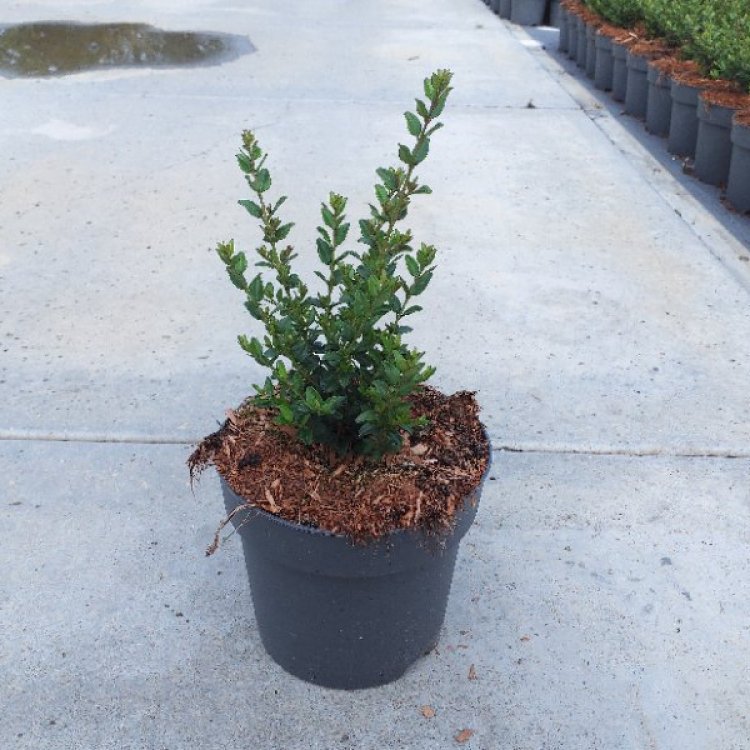
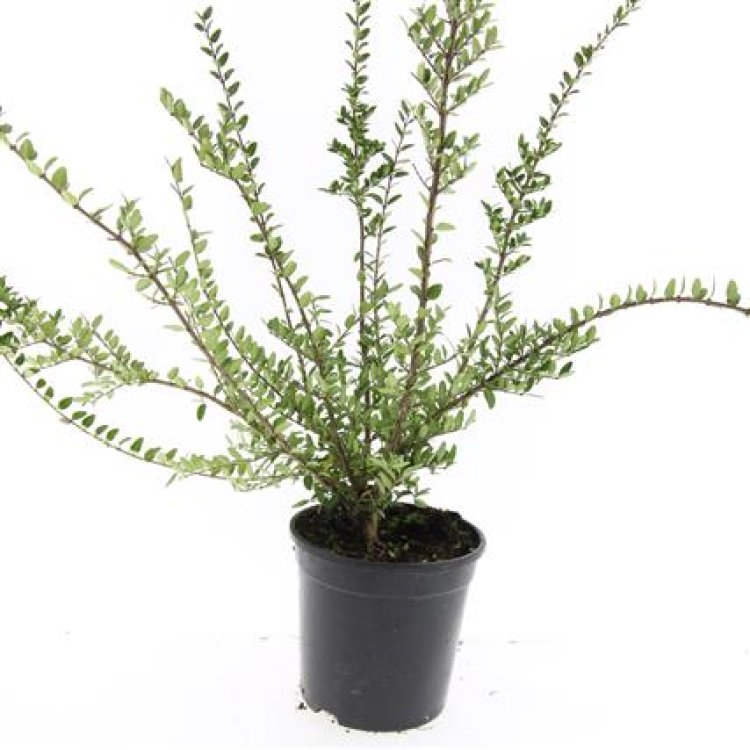
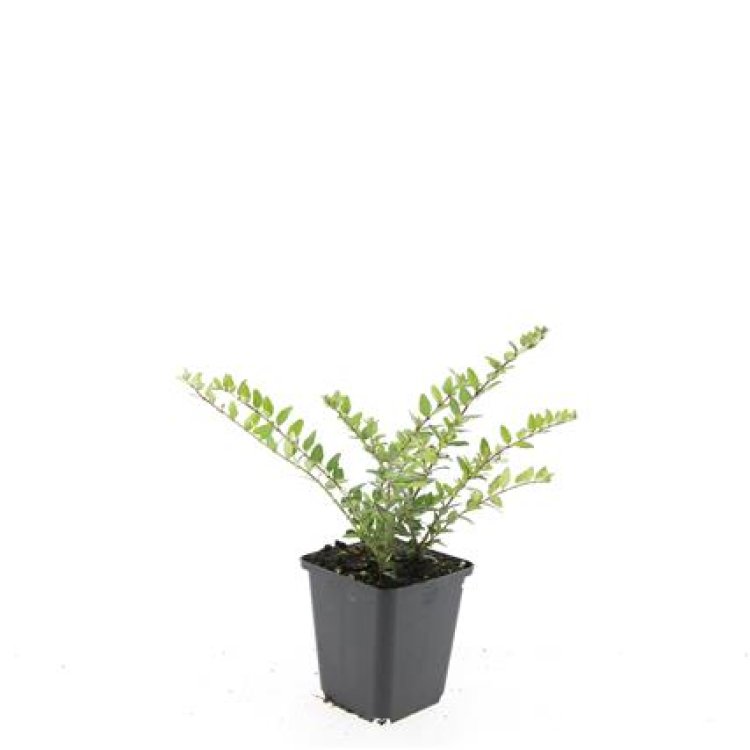
Lonicera nitida ‘Hohenheimer Findling’ is a versatile evergreen shrub, perfect for neat low hedges, elegant borders, or intricate topiary in UK gardens. Its dense, glossy foliage offers year-round structure and beauty.
6257 in stock
Discover Lonicera nitida ‘Hohenheimer Findling’, a resilient evergreen shrub that brings year-round structure and beauty to any UK garden.
Lonicera nitida ‘Hohenheimer Findling’ offers remarkable versatility and enduring appeal. Gardeners highly value this compact Box-leaved Honeysuckle cultivar. It provides a dense, tidy evergreen presence, making it an excellent choice for various landscaping needs. This plant adapts well to different garden styles. Its robust nature also ensures it thrives across many regions of the UK.
Lonicera nitida ‘Hohenheimer Findling’ is a distinguished cultivar of the Box-leaved Honeysuckle. Its name translates from German, meaning ‘Hohenheim discovery’. This suggests its origin from the renowned Hohenheim University in Stuttgart, Germany. Plant breeders developed this specific variety for its excellent garden performance. It consistently delivers dense, neat growth and an appealing texture. The plant maintains its vibrant green colour throughout all seasons. Furthermore, it resists many common garden issues.
This charming shrub features a profusion of small, oval-shaped leaves. They are glossy and emerald green. These tiny leaves resemble those of traditional Box, hence its common name. The dense arrangement of its foliage creates a wonderfully uniform appearance. In late spring to early summer, Lonicera nitida ‘Hohenheimer Findling’ produces small, creamy-white flowers. These blooms are often inconspicuous, nestling among the leaves. However, they hold a delicate charm. Later, small, dark purple-black berries form. These berries add another layer of interest. Moreover, garden birds find these berries a valuable food source, particularly in autumn and winter.
Lonicera nitida ‘Hohenheimer Findling’ serves many practical and aesthetic purposes in the garden. Its compact nature makes it perfect for creating low hedges. Consequently, it defines borders and pathways with precision. You can also use it for intricate topiary shapes. Its dense growth provides excellent ground cover, suppressing weeds effectively. Furthermore, it works beautifully as a backdrop for brighter flowering plants. This Lonicera nitida cultivar also enhances containers, adding evergreen structure to patios. Thus, it offers year-round visual appeal and garden utility.
Gardeners appreciate Lonicera nitida ‘Hohenheimer Findling’ for its remarkable tolerance to pruning. It readily accepts shaping and trimming. Therefore, you can easily maintain its desired size and form. Regular pruning encourages dense, healthy growth. This plant also greatly benefits garden wildlife. Its dense, evergreen canopy provides excellent shelter for small birds and insects. Additionally, the small berries offer a food source for birds, especially during colder months. Consequently, it creates a welcoming habitat within your garden space.
Very hardy. Tolerates temperatures typical of a continental winter.
Water regularly after planting until the Lonicera nitida 'Hohenheimer Findling' is well established. Apply a general-purpose fertiliser in spring to support healthy growth. This plant tolerates hard pruning exceptionally well. For formal hedges or shaped plants, trim 2-3 times during the growing season, from spring to late summer, to maintain its desired shape and density. A more severe prune can rejuvenate older, leggy specimens. Keep the area around the base clear of weeds to reduce competition for nutrients and moisture.