£4.18 – £4.90Price range: £4.18 through £4.90
Darmera peltata, the Umbrella Plant, offers dramatic foliage and early pink flowers. Perfect for damp, shady UK garden spots, it creates architectural interest and provides vital early nectar for pollinators, enhancing biodiversity.
82 in stock
Unleash a dramatic presence in your garden with Darmera peltata, a captivating perennial celebrated for its enormous, umbrella-like leaves and early spring blossoms.
Known also as the Umbrella Plant or Indian Rhubarb, Darmera peltata brings bold architectural form to damp, shady corners of UK gardens. This distinctive plant offers a unique visual impact, transforming challenging waterside or boggy areas into lush, captivating features. Its dramatic foliage and charming flowers create an exotic feel, yet it thrives in our temperate climate.
Native to the wet, wooded areas of western North America, Darmera peltata belongs to the Saxifragaceae family. This genus honours William N. Darmer, a German horticulturist. Often called the Umbrella Plant due to its magnificent leaves, it also goes by Indian Rhubarb, referencing its historical use by indigenous peoples. This robust perennial establishes itself well in the UK climate, bringing a touch of the wild to cultivated spaces.
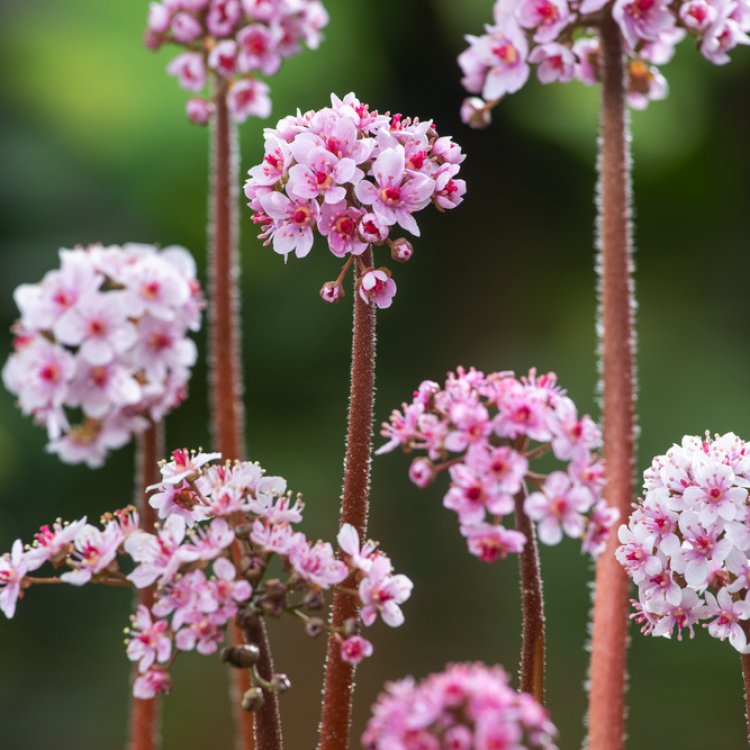
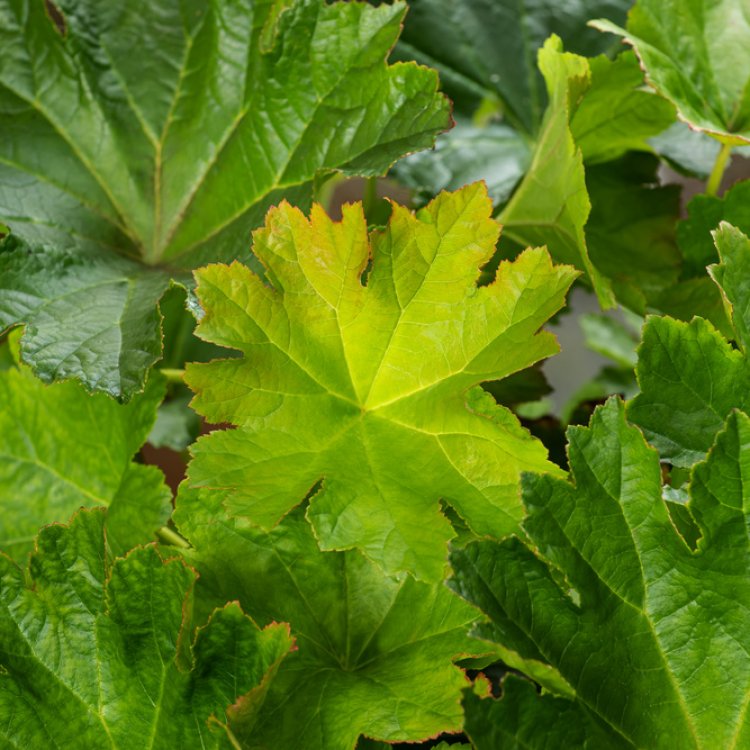
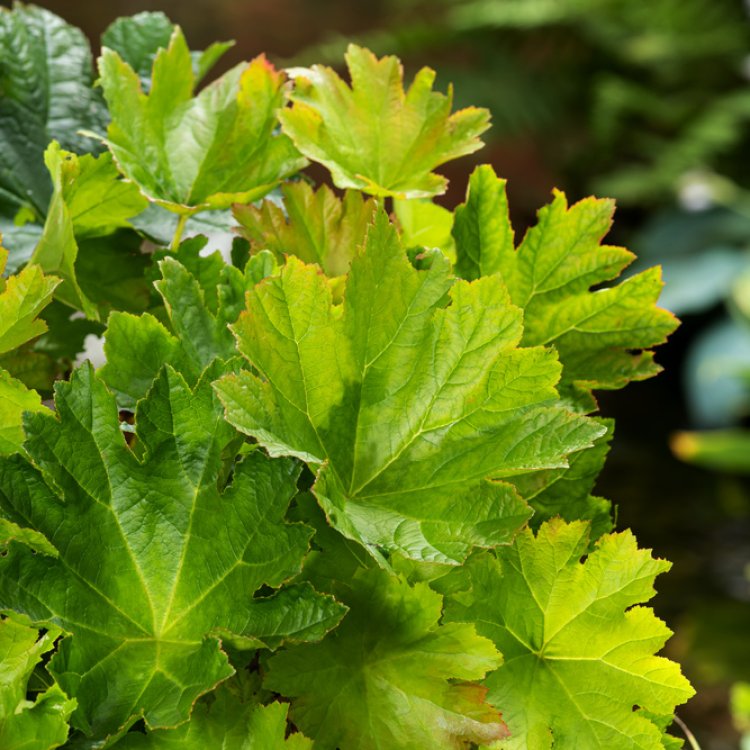
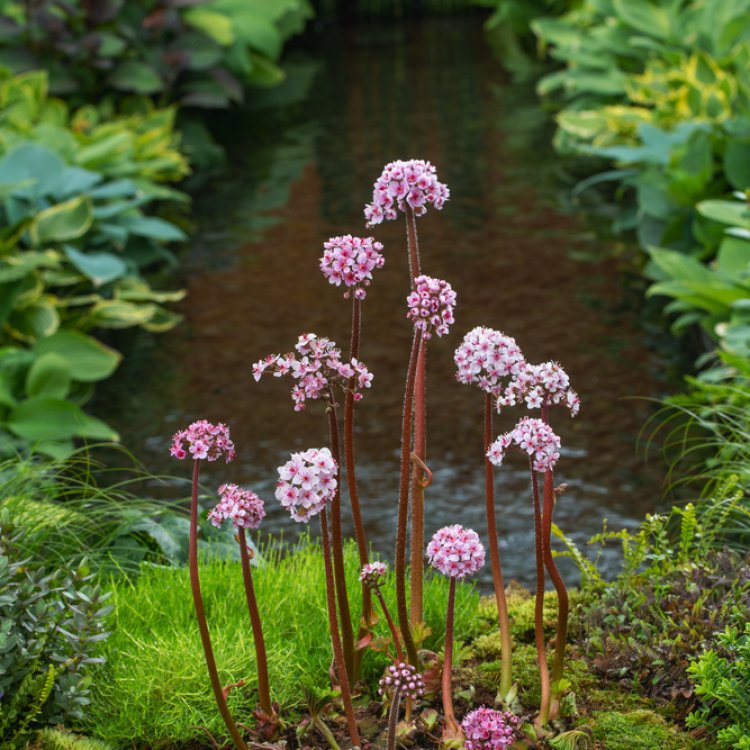
Darmera peltata truly stands out with its remarkable foliage. Enormous, deeply lobed, round leaves, sometimes reaching 60cm across, emerge after the floral display. These vibrant green leaves create a dense canopy through summer. As autumn arrives, the foliage transforms into stunning shades of fiery red and bronze, adding seasonal interest. Before the leaves fully unfurl, typically from March to May, sturdy, leafless stems rise, bearing elegant clusters of small, star-shaped flowers. These blossoms range from delicate pale pink to pure white, offering a charming spectacle against the still-waking garden.
This exceptional plant is a superb choice for creating focal points in damp garden areas. Plant Darmera peltata by the edge of a pond, alongside a stream, or in a dedicated bog garden. Its grand scale and distinctive leaf shape make it ideal for providing architectural interest. It serves well as a groundcover in very damp, shaded borders, suppressing weeds effectively. This plant also excels at bringing a lush, somewhat primeval feel to the garden, reminiscent of prehistoric landscapes.
The early spring flowers of Darmera peltata are more than just beautiful. They offer a crucial early food source for pollinators like bees, which are emerging from hibernation. By planting Darmera peltata, you help support local insect populations, contributing positively to garden biodiversity. The plant requires minimal intervention; simply remove spent flower stalks and old, tattered leaves as needed to maintain its neat appearance.
Hardy in all of the UK and northern Europe. Suitable for exposed sites.
Keep the soil consistently moist, especially during dry spells, as Darmera peltata thrives in damp conditions. Apply a generous mulch of organic matter in spring to help retain soil moisture and suppress weeds. Remove any spent flower stalks after blooming and trim back old or damaged leaves as needed to maintain tidiness. Divide congested clumps every few years in spring or autumn to rejuvenate the plant. Protect young shoots and leaves from slugs and snails.