£2.68 – £4.10Price range: £2.68 through £4.10
Festuca rubra, or Red Fescue, is a versatile, low-maintenance ornamental grass. It offers fine, evergreen foliage and thrives in diverse UK garden conditions, from partial shade to poor soil. Ideal for ground cover, naturalistic planting, or lawn mixes.
351 in stock
Discover Festuca rubra, a resilient and versatile ornamental grass, perfect for adding texture and natural charm to various UK garden styles.
This captivating grass, commonly known as Red Fescue, effortlessly enhances garden landscapes. It thrives across the United Kingdom, adapting well to diverse conditions. Gardeners appreciate its low-maintenance nature and attractive, fine-textured foliage. Moreover, its ability to tolerate poor soil and partial shade makes it a popular choice. Red Fescue provides reliable ground cover or adds soft movement to borders, a valuable plant for any garden.
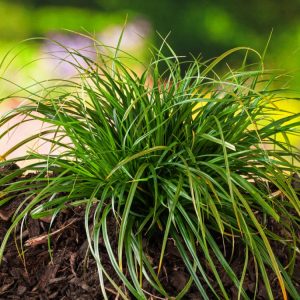
Festuca rubra, or Creeping Red Fescue, presents as a charming, clump-forming or spreading perennial grass. Its vibrant green, often slightly glaucous, foliage forms dense tufts. These fine, needle-like leaves remain attractive for much of the year. During late spring and summer, delicate flower spikes rise above the foliage. They typically display a reddish tinge, especially when developing. This characteristic hint of red at the base of the plant or in its seed heads gives rise to its common name, Red Fescue. The botanical name, Festuca, comes from the Latin word ‘festuca,’ meaning ‘stem’ or ‘straw.’ Meanwhile, ‘rubra’ is Latin for ‘red,’ specifically referencing these reddish tones.
Gardeners highly value Festuca rubra for its extensive adaptability. It performs exceptionally well in various settings across UK gardens. For instance, you can use it to create naturalistic meadows, especially when mixed with wildflowers. Its spreading habit also makes it an excellent choice for ground cover, particularly on banks where it helps stabilise soil. Additionally, many consider Red Fescue a vital component in low-maintenance lawn mixes. It forms a durable, fine-textured turf that requires less mowing. Therefore, it suits those seeking an eco-friendly lawn alternative. Moreover, you can plant this versatile grass along pathways or at border edges, adding a soft, textured finish.
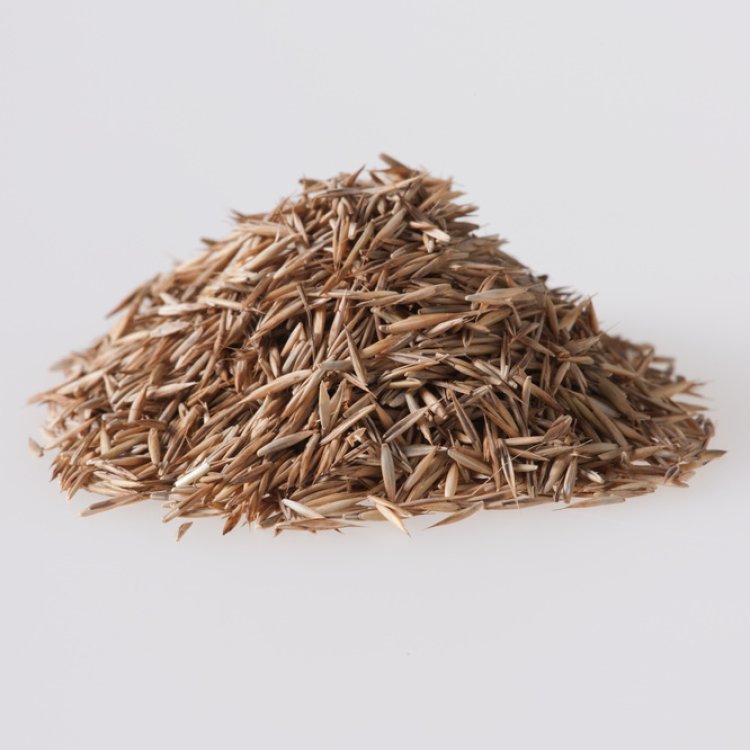
The evergreen or semi-evergreen nature of Red Fescue’s foliage ensures year-round interest. Its fine blades provide a consistent backdrop in mixed plantings. Furthermore, the airy flower panicles, appearing from June to August, add a light, delicate quality to the summer garden. While not showy, these flowers and subsequent seeds hold value for local wildlife. Small birds, for example, often seek out the seed heads as a food source. Moreover, the dense growth of Festuca rubra offers valuable shelter and habitat for various beneficial insects and small creatures. This makes it a responsible choice for supporting biodiversity in your garden. This grass generally requires no specific pruning, though a light cut back in early spring can refresh its appearance and encourage new growth.
Hardy in the harshest UK conditions and below. Suitable for mountain regions.
Festuca rubra is remarkably low-maintenance once established. Water new plants regularly until they show signs of strong growth, typically over their first growing season. After this, it boasts good drought tolerance and rarely needs supplemental watering in average UK conditions, except during prolonged dry spells. Avoid over-fertilising; a light application of a balanced fertiliser in spring is usually sufficient if the soil is particularly poor, but often unnecessary. If used in a lawn mix, follow standard lawn care practices. For meadow or ornamental plantings, simply cut back any tired or brown foliage in early spring to encourage fresh new growth and maintain a tidy appearance. Division every few years can rejuvenate dense clumps.