£2.56 – £3.98Price range: £2.56 through £3.98
Phlox (P) ‘Early Red’ offers vibrant, fiery red blooms from early summer. This hardy perennial brightens borders, attracts pollinators, and makes excellent cut flowers, bringing early, striking colour to your UK garden.
1108 in stock
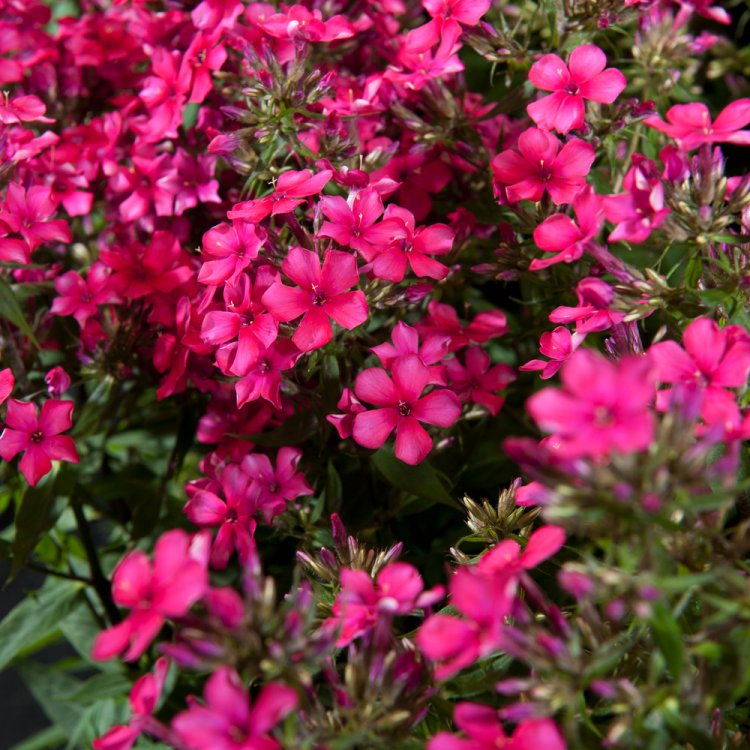
Phlox (P) ‘Early Red’ brings a burst of vibrant colour to your garden from early summer, creating a stunning display of rich red blooms.
This delightful perennial, commonly known as Phlox, is a true garden favourite for its striking appearance and robust nature. Phlox (P) ‘Early Red’ stands out with its intense, fiery red flowers that arrive earlier than many other Phlox varieties. Consequently, it extends the season of interest in your borders. These plants form attractive, bushy clumps, making them an excellent choice for adding structure and continuous colour to UK garden designs. Their beauty is undeniable, and they are wonderfully easy to grow.
Phlox (P) ‘Early Red’ offers a truly captivating presence in any garden setting. Its vivid red flowers are a focal point, drawing the eye with their intense hue. This particular cultivar begins its blooming period earlier in the season, giving your garden a head start on summer vibrancy. Each cluster of star-shaped flowers forms a bold, rounded head. These bloom generously, providing weeks of glorious colour.
The genus name, Phlox, originates from the Greek word ‘phlogos’, which translates to ‘flame’. This name perfectly captures the bright, often fiery colours of the flowers, and it is especially fitting for ‘Early Red’ with its intense scarlet tones. This specific cultivar highlights the plant’s earlier flowering habit and its distinct red colouration.
The vibrant red blooms of Phlox (P) ‘Early Red’ appear on strong, upright stems. These stems are clothed with fresh green, lance-shaped leaves. Together, the foliage and flowers create a dense, appealing structure. The plant naturally forms an upright, bushy clump. This robust growth habit ensures a reliable and consistent display each year. After the initial flush, deadheading can encourage further blooms.
Phlox ‘Early Red’ excels in various garden roles. It is an outstanding plant for mixed herbaceous borders, where its bold colour provides a superb contrast to softer hues. You can also feature it in cottage gardens, adding a touch of traditional charm. Moreover, its vibrant flowers make excellent cut flowers. Bring their beauty indoors to brighten any room. The strong stems hold the blooms well in a vase.
Beyond its ornamental value, Phlox (P) ‘Early Red’ significantly benefits local wildlife. Its nectar-rich flowers are a magnet for important pollinators. Bees and butterflies are regularly observed visiting the blooms. By including this plant in your garden, you help support these vital creatures. This commitment to biodiversity enriches your garden ecosystem.
Hardy in the harshest UK conditions and below. Suitable for mountain regions.
Water regularly during dry spells to keep soil consistently moist. Feed with a balanced granular fertiliser in spring to support healthy growth. Deadhead spent flowers promptly to encourage the production of new blooms and extend the flowering season. Cut back all stems to ground level in late autumn or early winter after the foliage has died back. Divide established clumps every 3-5 years in spring or autumn to maintain vigour and flowering performance. Ensure good air circulation around plants to help prevent powdery mildew, a common issue for Phlox.