£3.92 – £4.63Price range: £3.92 through £4.63
Osmanthus heterophyllus, the Holly Osmanthus, is a versatile evergreen shrub. It features glossy, holly-like leaves and delightfully fragrant white flowers in autumn. Ideal for hedging or as a specimen, it offers year-round appeal and supports UK garden wildlife.
1389 in stock
Discover Osmanthus heterophyllus, a versatile evergreen shrub offering year-round interest with its holly-like leaves and wonderfully fragrant autumn flowers, perfect for UK gardens.
Osmanthus heterophyllus, also known as Holly Osmanthus, stands out as a superb choice for various garden styles across the UK. This resilient evergreen shrub brings structure and beauty throughout the seasons. Its distinctive foliage, reminiscent of holly, adds textural interest to borders and hedges. Furthermore, its late-season blooms fill the air with a delightful fragrance. Gardeners appreciate its low-maintenance nature and adaptability to different growing conditions.
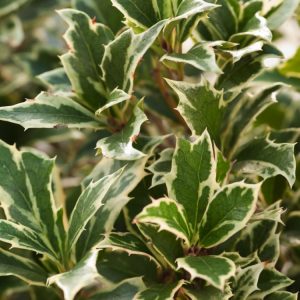
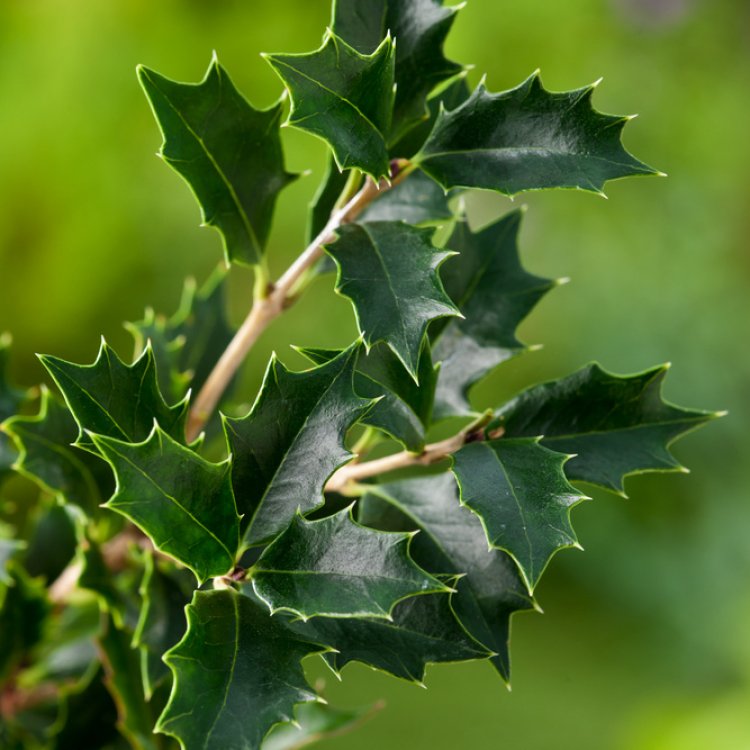
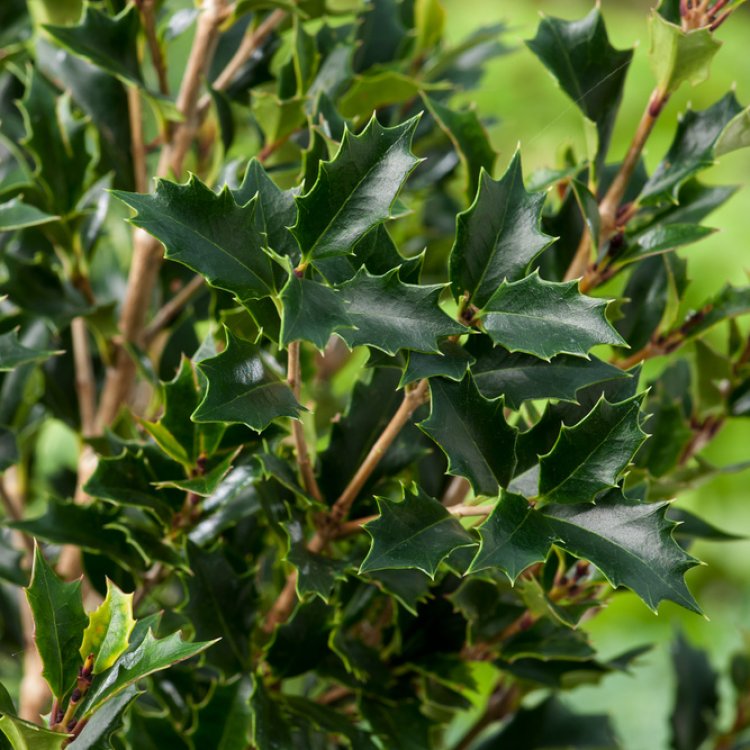
Osmanthus heterophyllus literally means ‘uneven-leaved fragrant flower’. Its common names, Holly Osmanthus or False Holly, highlight its striking resemblance to holly (Ilex species) due to its spiny, glossy green leaves, especially when young. As the plant matures, the leaves on older growth often become smooth-edged, demonstrating this ‘uneven-leaved’ characteristic. This adaptable plant originates from East Asia, thriving in varied climates.
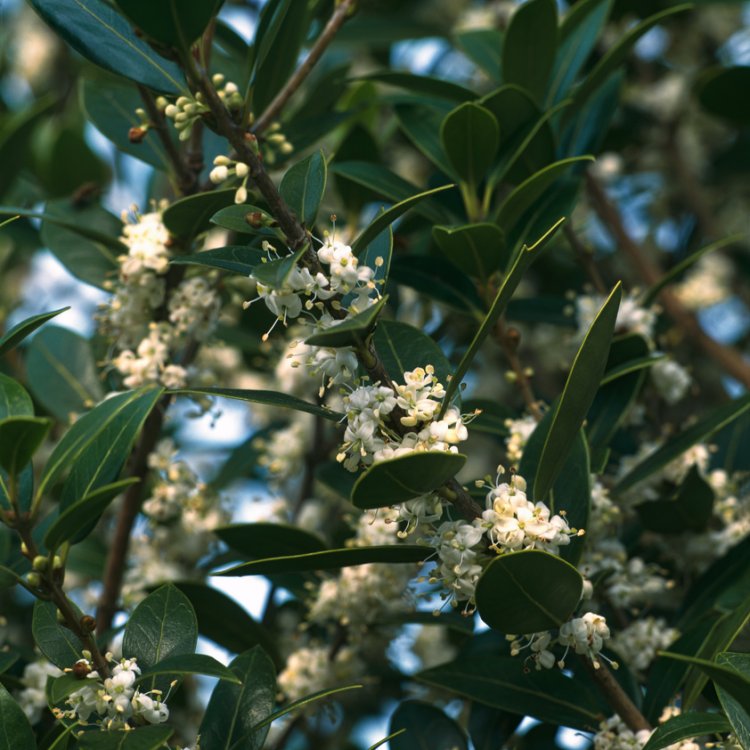
The foliage of Osmanthus heterophyllus offers year-round colour. New growth emerges with a purplish tint, maturing into a deep, lustrous green. The small, intensely fragrant white flowers emerge in clusters from leaf axils during autumn, typically from September through November in the UK. These subtle blossoms release a powerful, sweet scent, often described as apricot or jasmine-like, which can carry quite a distance on a calm day. Following the flowers, small, dark blue-black, drupe-like fruits develop, ripening in late winter to early spring.
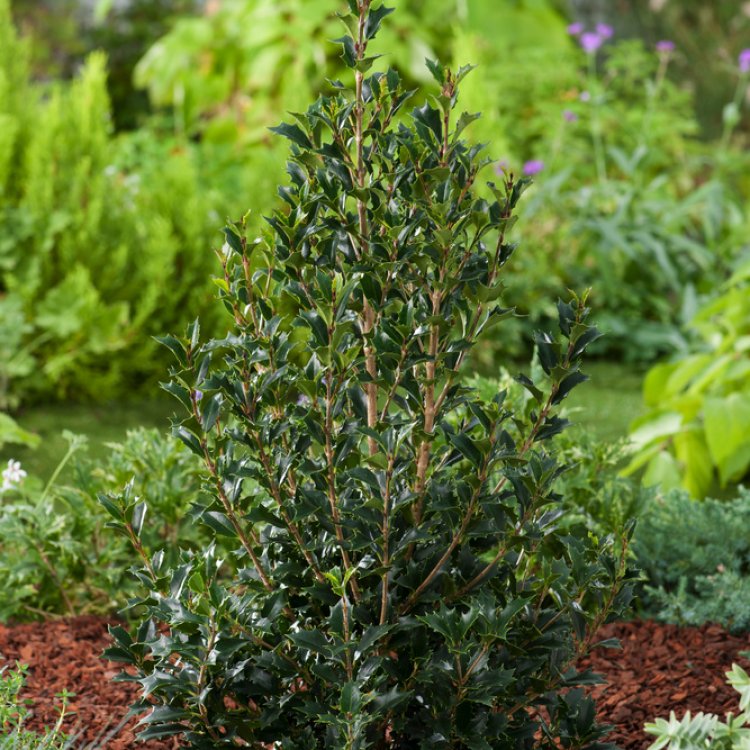
Gardeners value this plant for its versatility. You can use Osmanthus heterophyllus to create dense, impenetrable hedges, providing excellent privacy and security due to its spiny leaves. Moreover, it forms an effective screen against unsightly views or strong winds. Its robust nature also makes it ideal for mixed borders, where its evergreen structure offers a reliable backdrop. Many gardeners shape it into formal topiary specimens or grow it as a standalone feature in a container or lawn. It also suits woodland gardens or informal shrubberies, adding an interesting texture.
Osmanthus heterophyllus is very amenable to pruning, which encourages a dense habit and maintains its desired size and shape. The best time to prune is after the flowering period, generally in late autumn or early winter. Regular trimming helps create neat hedges or defined forms. Beyond its aesthetic appeal, this shrub benefits local wildlife. The autumn flowers provide a valuable nectar source for late-season pollinators, including bees. Later, birds readily consume the small, dark berries, helping to distribute seeds and adding to garden biodiversity.
Hardy in all of the UK and northern Europe. Suitable for exposed sites.
Water Osmanthus heterophyllus thoroughly after planting and during prolonged dry periods, particularly in its first year. Once established, it shows good drought tolerance. Apply a general-purpose granular fertiliser around the base in spring to support healthy growth. Prune this shrub in late autumn or early winter, immediately after its flowering period, to maintain its desired shape and size. Remove any dead, damaged, or errant branches. Annual trimming helps create neat hedges. This plant is generally robust and rarely suffers from significant pests or diseases, making it a low-maintenance addition to the garden.