£3.26 – £3.96Price range: £3.26 through £3.96
Salvia nemorosa ‘Caradonna’ is a stunning herbaceous perennial featuring vibrant violet-blue flowers on dark, rigid stems. It blooms profusely from early summer to autumn, attracting bees and butterflies. A low-maintenance, drought-tolerant plant for dynamic garden displays.
141 in stock
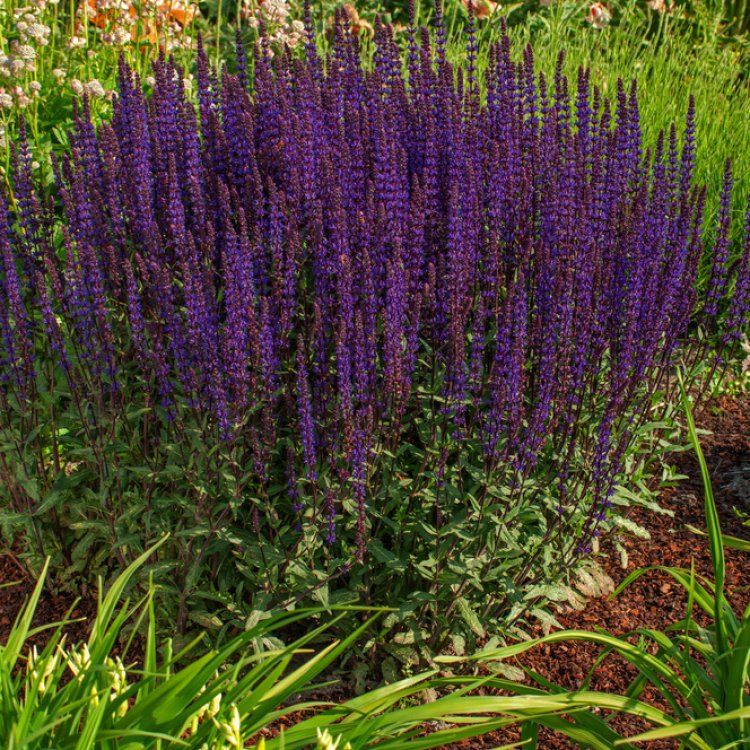
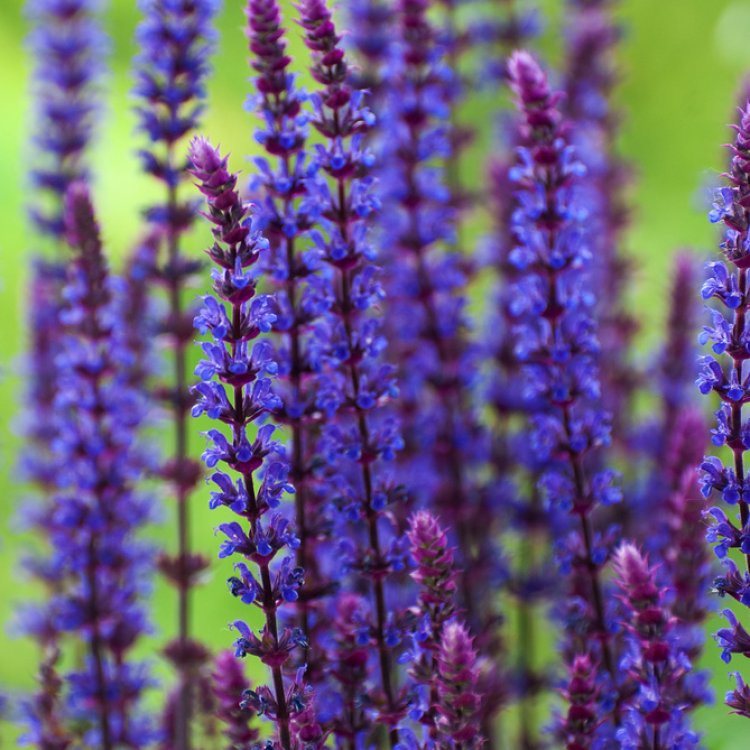
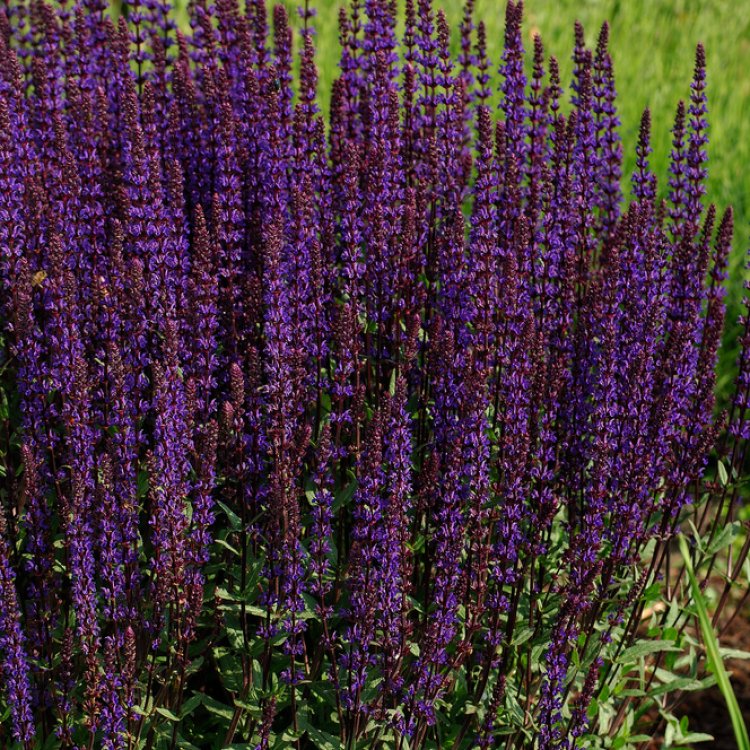
Salvia nemorosa ‘Caradonna’ is a superb herbaceous perennial, loved for its intense purple-black stems and vibrant violet-blue flowers.
This striking cultivar, often called Salvia ‘Caradonna’, adds sophisticated colour to UK gardens from early summer. Its upright, architectural spires make a stunning visual impact, a favourite for reliable, long-lasting blooms. This plant’s elegant form and prolific flowering ensure a dynamic display, consistently attracting beneficial insects throughout its season.
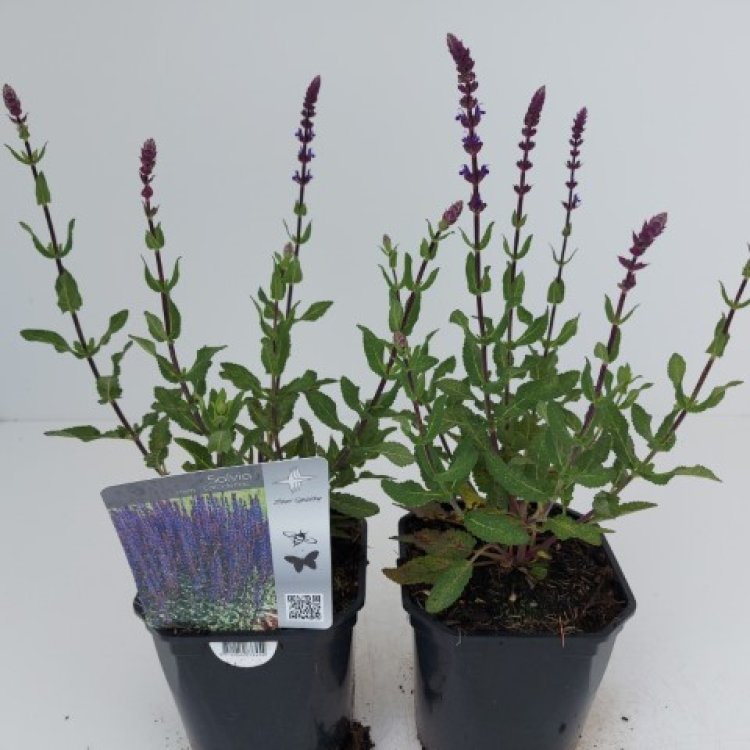
Salvia nemorosa ‘Caradonna’ is a superb herbaceous perennial, a form of Balkan clary. It belongs to the Lamiaceae family, which includes many aromatic plants. This cultivar truly stands out. It boasts unique, almost black, upright flower stems contrasting beautifully with deep violet-blue flowers. Its lance-shaped, grey-green leaves are slightly aromatic when brushed. This combination provides a sophisticated appearance, adding structure and colour to any garden setting.
The genus name ‘Salvia’ comes from Latin ‘salvere’, meaning ‘to heal’, reflecting historical medicinal uses. ‘Nemorosa’ means ‘of woods or groves’, hinting at its natural habitat. The cultivar ‘Caradonna’ specifically identifies this celebrated variety. This name highlights its distinct characteristics.
Salvia ‘Caradonna’ blooms vibrantly from June through to October in UK gardens. Its flower spikes are densely packed with small, tubular flowers, creating a rich tapestry of colour. Even after flowers fade, dark calyces often remain, providing extended interest. The foliage offers a subtle grey-green backdrop, complementing the intense floral display. Moreover, this plant often provides a second flush of flowers if deadheaded after the initial bloom.
This splendid plant shines in mixed borders, gravel gardens, or prairie-style plantings. Its upright habit makes it excellent for adding vertical emphasis and structure. Gardeners often choose Salvia nemorosa ‘Caradonna’ to edge pathways or define garden zones. To encourage repeat flowering, simply cut back spent flower spikes. A harder prune in late autumn or early spring rejuvenates the plant, promoting strong new growth.
Salvia ‘Caradonna’ is a magnet for local wildlife. Bees, especially bumblebees, adore its nectar-rich flowers. Butterflies also visit frequently, adding movement and life to the garden. Planting this salvia helps support vital pollinator populations, contributing to a healthier ecosystem. Thus, it is an excellent choice for any wildlife-friendly garden.
Very hardy. Tolerates temperatures typical of a continental winter.
Plant in well-drained soil in full sun. Water regularly until established, then it becomes drought-tolerant. Deadhead spent flower spikes to encourage a second flush of blooms. Cut back hard in late autumn or early spring to promote vigorous new growth and maintain plant vigour. Ensure good air circulation to prevent fungal issues.