£2.90 – £4.32Price range: £2.90 through £4.32
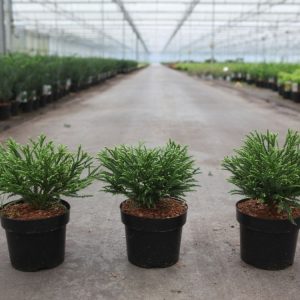
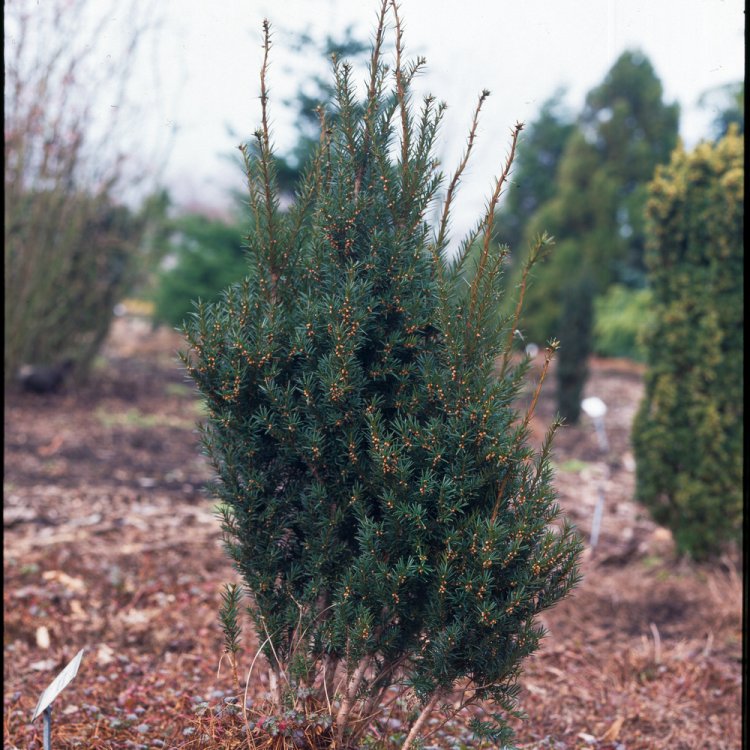
Taxus baccata ‘Overeynderi’ is a compact, evergreen Yew, perfect for formal hedges and topiary. Its dense, dark green foliage provides year-round structure and attracts birds with autumn berries. Adaptable and very hardy for UK gardens.
1620 in stock
Discover Taxus baccata ‘Overeynderi’, a refined Yew cultivar, perfect for adding timeless structure and deep evergreen beauty to your cherished UK garden.
Taxus baccata ‘Overeynderi’ offers a distinguished presence in any garden design. This exceptional cultivar of the common Yew provides year-round interest with its dense, dark green foliage. Gardeners value its compact, upright habit, making it a versatile choice for various landscape roles. It establishes well across the UK, thriving in many conditions. Furthermore, this plant stands as a testament to enduring garden elegance and resilience.
The name Taxus baccata refers to the European Yew, a native evergreen conifer. The ‘baccata’ part translates to ‘bearing berries’, describing the plant’s distinctive fruit. ‘Overeynderi’ identifies this specific cultivar, highlighting its unique growth characteristics. This plant offers a classic aesthetic that suits both traditional and contemporary garden styles.
Taxus baccata ‘Overeynderi’ showcases magnificent, needle-like leaves. These short, flat needles are a rich, glossy dark green, forming a dense canopy. The evergreen nature ensures continuous colour, even through the bleakest winter months. Consequently, it creates a robust backdrop for seasonal displays. Young plants typically exhibit a narrow, columnar form. However, as they mature, they gradually broaden, developing a more conical or oval silhouette.
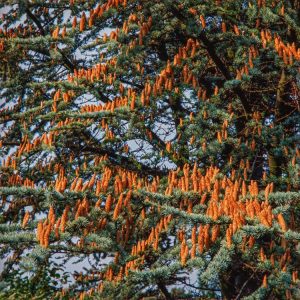
While not primarily grown for its blooms, Taxus baccata produces small, inconspicuous flowers in spring. These subtle blooms give way to a more notable feature: the vibrant red, berry-like arils on female plants. These fleshy, cup-shaped fruits ripen in autumn, adding a splash of colour. Birds readily feast on these berries, spreading the seeds and contributing to local wildlife support. The contrast between the dark foliage and bright red arils is particularly striking.
This distinguished Yew provides significant value for garden wildlife. Its dense foliage offers excellent shelter and nesting sites for small birds throughout the year. As mentioned, the red berries are a vital food source for many bird species, particularly during autumn and winter. While the foliage is toxic to most mammals, birds are unaffected by the fruit’s toxic seed. Therefore, planting this Yew supports biodiversity in your garden.
Gardeners frequently select Taxus baccata ‘Overeynderi’ for its adaptability and formal appeal. You can use it effectively as a specimen plant, providing a strong vertical accent in a border. Moreover, its dense habit makes it an excellent choice for creating formal hedges, either low for edging or taller for privacy screens. Many also use this Yew cultivar for intricate topiary shapes, as it responds exceptionally well to regular clipping. This versatility allows it to enhance many different garden themes.
One of the most remarkable qualities of Taxus baccata ‘Overeynderi’ is its exceptional tolerance to hard pruning. This characteristic allows gardeners to maintain desired shapes and sizes with ease. Regular trimming encourages a denser habit and helps to define its form. Pruning is best performed during late spring or early autumn, avoiding periods of new growth or severe frost. This plant recovers quickly, making it a favourite for structured planting schemes.
Hardy in the harshest UK conditions and below. Suitable for mountain regions.
Water newly planted Taxus baccata 'Overeynderi' regularly, ensuring the soil remains consistently moist until it establishes. Once established, this Yew is quite drought tolerant, though a good watering during prolonged dry spells benefits its health. It thrives in well-drained soil; therefore, avoid waterlogging which can lead to root rot. Apply a balanced, slow-release fertiliser in early spring to support healthy growth. Prune in late spring or early autumn to maintain its desired shape, density, or for topiary. Mulch around the base with organic matter to conserve soil moisture and suppress weeds.