£2.90 – £4.32Price range: £2.90 through £4.32
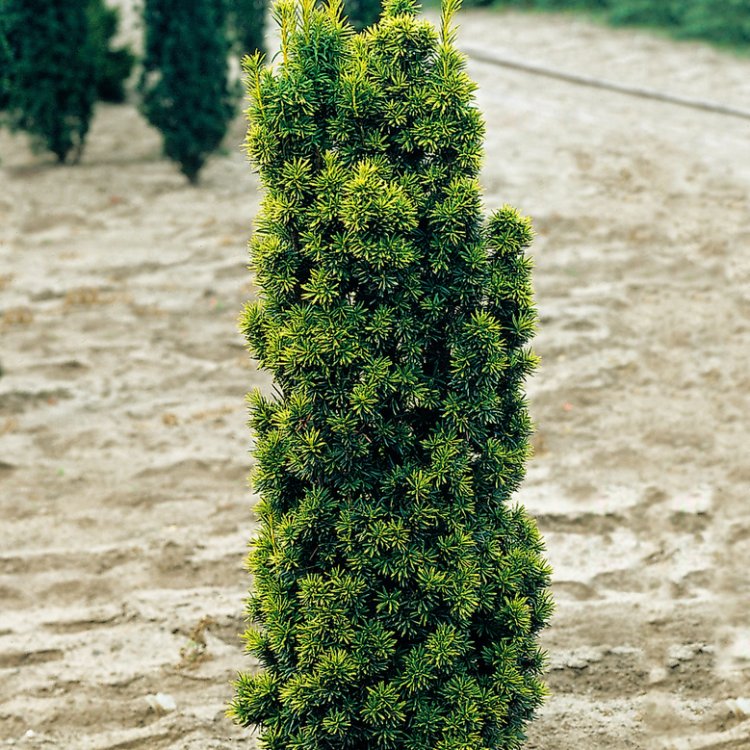
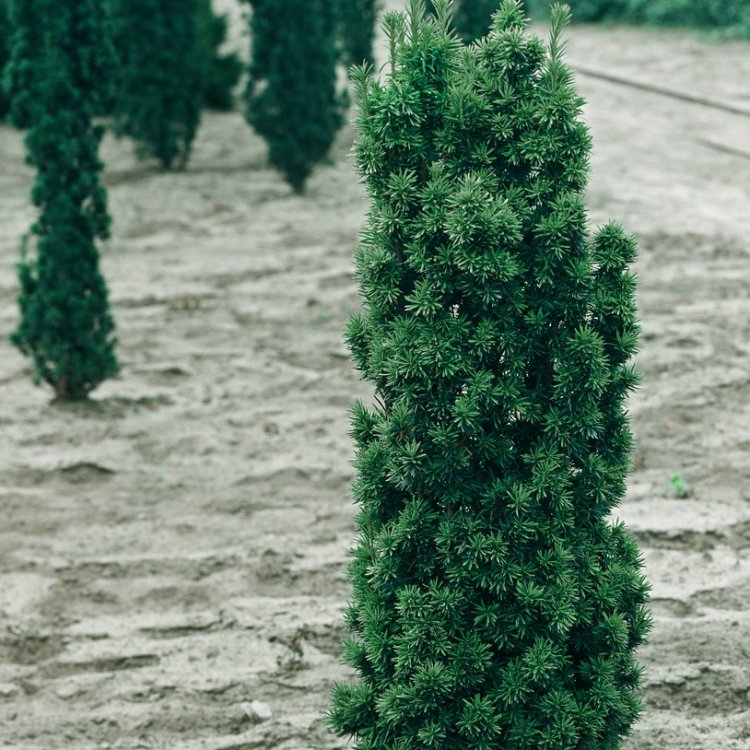
Taxus baccata ‘Fastigiata’, the elegant Irish Yew, offers striking columnar form and year-round dark green foliage. This hardy, low-maintenance evergreen creates formal accents, hedges, or topiary in UK gardens, providing timeless structure.
200 in stock
Discover Taxus baccata ‘Fastigiata’, the elegant Irish Yew, offering a striking vertical accent and timeless structure to any UK garden design.
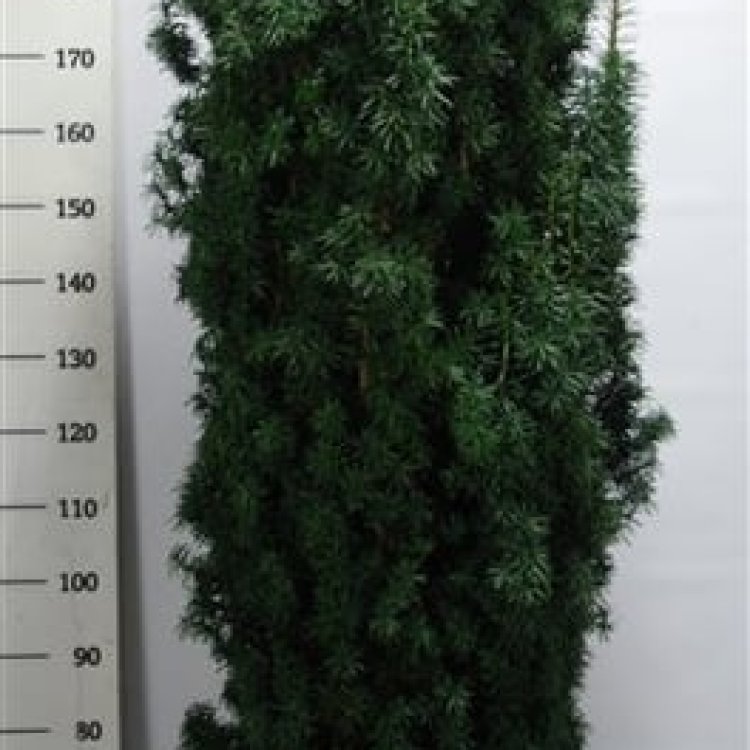
Taxus baccata ‘Fastigiata’ is a distinguished evergreen conifer, cherished for its upright, columnar habit. This particular cultivar, often known as Irish Yew or Fastigiate Yew, brings an air of formal elegance to the landscape. It is a variant of the native English Yew, Taxus baccata, a tree deeply woven into British history and folklore. Its dense, dark green foliage provides year-round interest and robust architectural presence, making it a garden favourite across the UK for its reliability and beauty.
This superb conifer, Taxus baccata ‘Fastigiata’, boasts a distinctive columnar form, hence its common name, Irish Yew. It is a cultivar of the species Taxus baccata, widely recognised as the English Yew, a revered native tree across the British Isles. The name ‘Fastigiata’ directly refers to its fastigiate or upright, parallel-branched growth, a key characteristic that sets it apart. Furthermore, its elegant, sombre appearance makes it a popular choice for structured garden designs.
Taxus baccata ‘Fastigiata’ showcases rich, dark green needles, soft to the touch, arranged spirally on upright stems. The foliage remains vibrant throughout the year, providing a consistent backdrop. Although yews produce small, inconspicuous flowers in spring, they are not a significant ornamental feature. Instead, female plants may develop attractive, berry-like red arils in autumn, adding colour. These arils are seeds partially enclosed by a fleshy cup. However, all other parts of the plant are poisonous.
The columnar Irish Yew is incredibly versatile in garden design. Gardeners often use it to create formal hedges, adding structure and privacy without consuming excessive space. It is also an excellent choice for accent planting, marking entrances or framing pathways. Additionally, its dense habit suits container planting for a formal statement. This yew tolerates significant pruning and shaping, making it ideal for topiary. Its dense foliage offers shelter and nesting sites for birds year-round, while the red arils feed some bird species, which are immune to the toxins.
Botanists discovered the original Taxus baccata ‘Fastigiata’ in County Fermanagh, Ireland, during the late 18th century. It grew on Cuilcagh Mountain, which explains its popular common name, Irish Yew. Its unique, narrow habit quickly brought it acclaim, distinguishing it from the broader English Yew. This historical connection further enhances its appeal. Gardeners appreciate its low-maintenance nature and its ability to thrive in various UK garden conditions, making it truly invaluable.
Hardy in the harshest UK conditions and below. Suitable for mountain regions.
Taxus baccata 'Fastigiata' is a remarkably low-maintenance plant once established. Water regularly during its first year in the ground, especially during dry spells, to encourage strong root development. After establishment, it is drought-tolerant. This yew tolerates hard pruning and is often shaped to maintain its columnar form or as part of a hedge or topiary. The best time for major pruning is late spring or early summer, though light trimming can occur in late summer. Avoid pruning in late autumn or winter, as new growth may be vulnerable to frost. Feed with a balanced, slow-release fertiliser in spring, particularly if the soil is poor or the plant shows signs of nutrient deficiency. Ensure good drainage, as yews dislike waterlogged conditions.