£3.55 – £4.25Price range: £3.55 through £4.25
Rudbeckia maxima, the Giant Coneflower, is a majestic perennial adding architectural height and vibrant yellow blooms to UK gardens. Its unique drooping petals and tall dark cones attract pollinators, offering stunning summer to autumn interest.
548 in stock
Rudbeckia maxima: The majestic Giant Coneflower offers a bold architectural presence and vibrant summer blooms, transforming any UK garden space.
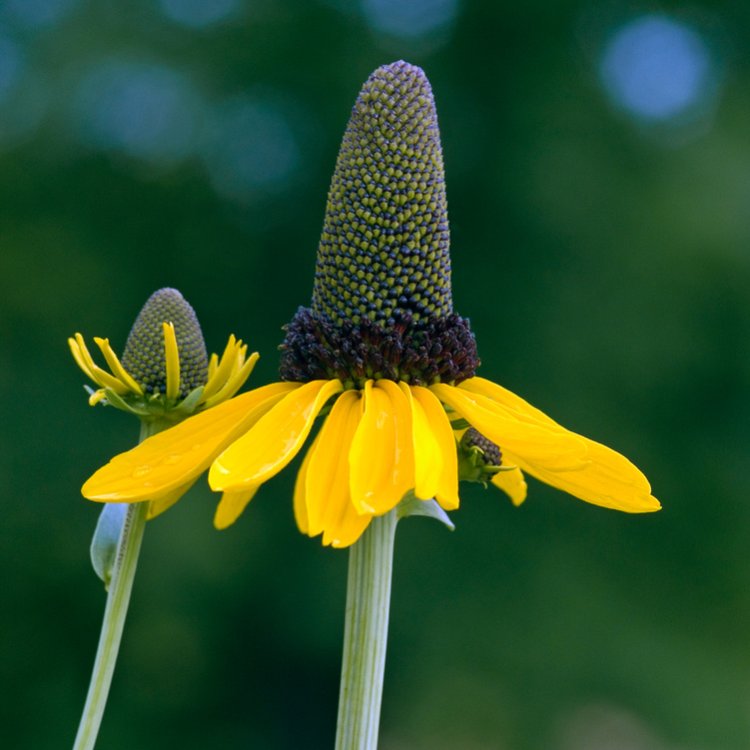
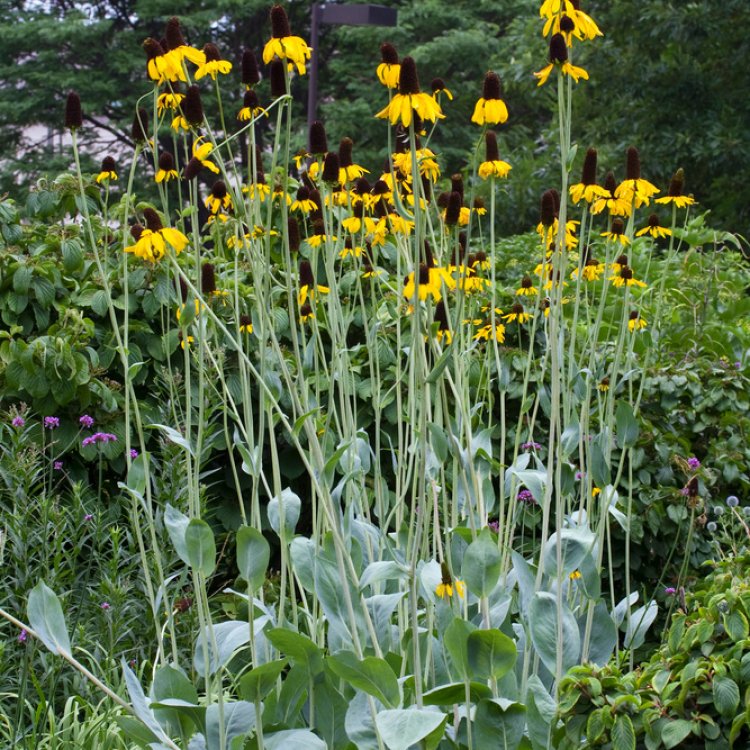
Rudbeckia maxima, commonly known as the Giant Coneflower, brings dramatic height and unique beauty to the garden. Its striking yellow petals gently droop around a prominent, dark brown central cone, creating a truly eye-catching display. Furthermore, this impressive perennial stands tall, often reaching over two metres, establishing a powerful vertical accent. Gardeners appreciate its robust nature and the long-lasting visual interest it provides from mid-summer into early autumn. This captivating plant truly enhances any border or prairie-style planting.
Rudbeckia maxima presents a spectacular vision in the garden, standing as a true botanical marvel. Its common name, Giant Coneflower, clearly describes its most notable features. The genus name ‘Rudbeckia’ honours Olof Rudbeck the Younger, a renowned Swedish botanist. Meanwhile, ‘maxima’ signifies its impressive size, distinguishing it from other coneflowers. This plant develops an imposing stature, commanding attention effortlessly.
Firstly, large, paddle-shaped basal leaves emerge. They boast an attractive blue-green hue with a waxy coating. These striking leaves form a dense clump at the plant’s base. Later, tall, slender stems rise gracefully above this foliage. From mid-summer, these stems bear numerous flower heads. Each bloom features bright yellow, elongated petals. These elegantly droop downwards. They encircle a distinctive, tall, dark brown, almost cylindrical cone. This unique shape gives the plant its alternative name and contributes greatly to its charm.
Gardeners often integrate Rudbeckia maxima into the back of borders, where its height adds a magnificent backdrop. It thrives in prairie and gravel garden designs, where its architectural form complements other robust perennials and grasses. Furthermore, its resilient nature makes it a valuable addition to many UK garden settings. This plant proves highly beneficial for local wildlife; bees and butterflies eagerly visit its nectar-rich flowers. Also, mature seed heads provide a crucial food source for finches and other birds. This further enhances biodiversity in your outdoor space later in the season.
Hardy in all of the UK and northern Europe. Suitable for exposed sites.
General care for Rudbeckia maxima involves planting in well-drained soil in full sun. Water regularly during dry spells, especially in the first year. Deadhead spent flowers to encourage more blooms, or leave seed heads for wildlife and winter interest. Cut back faded foliage in late autumn or early spring.