£4.95 – £5.65Price range: £4.95 through £5.65
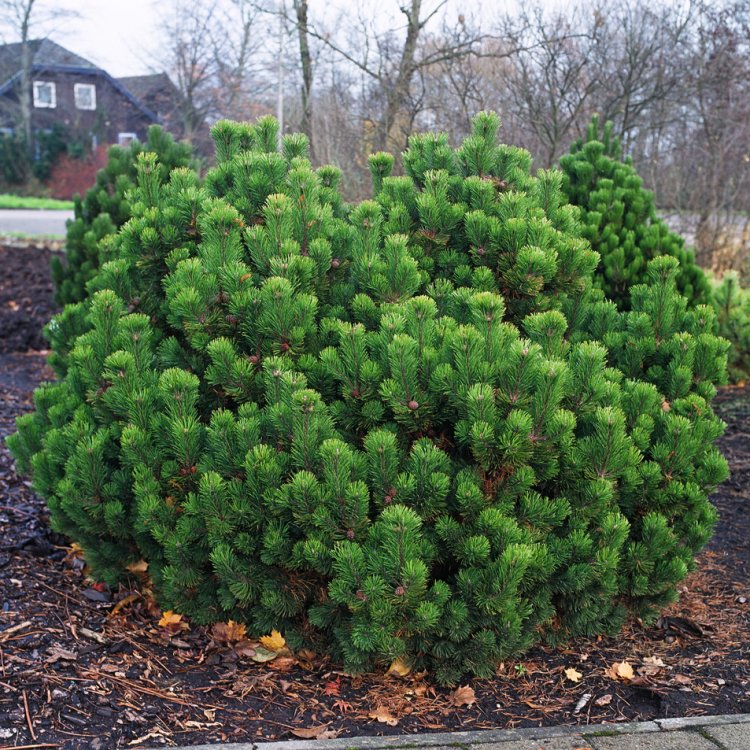
Pinus mugo mugo, the Dwarf Mountain Pine, is a compact, hardy evergreen conifer. It boasts lush, dark green needles and a neat, mounded form, perfect for UK rockeries, containers, or borders. Enjoy its year-round texture with minimal care.
1766 in stock
Pinus mugo mugo is a compact, slow-growing conifer, ideal for adding year-round texture and structure to UK gardens with minimal fuss.
Discover the enduring charm of Pinus mugo mugo, commonly known as Dwarf Mountain Pine or Mugo Pine. This delightful evergreen conifer brings a touch of alpine beauty to any outdoor space. Its naturally neat, mounded form and dense, dark green needles provide consistent interest all year. This hardy plant promises a low-maintenance yet impactful presence. It truly enriches your garden with its unique character. This plant is perfect for smaller spaces, rockeries, or containers.
Pinus mugo mugo is often called Dwarf Mountain Pine or Mugo Pine. It is a prized cultivar of the Mountain Pine (Pinus mugo). The name ‘Pinus’ comes from Latin. ‘Mugo’ likely comes from an old alpine term. The repeated ‘mugo mugo’ signifies its specific dwarf, mounded form. This clearly sets it apart from other, larger varieties of Pinus mugo. As a result, this evergreen conifer offers great versatility and appeal.
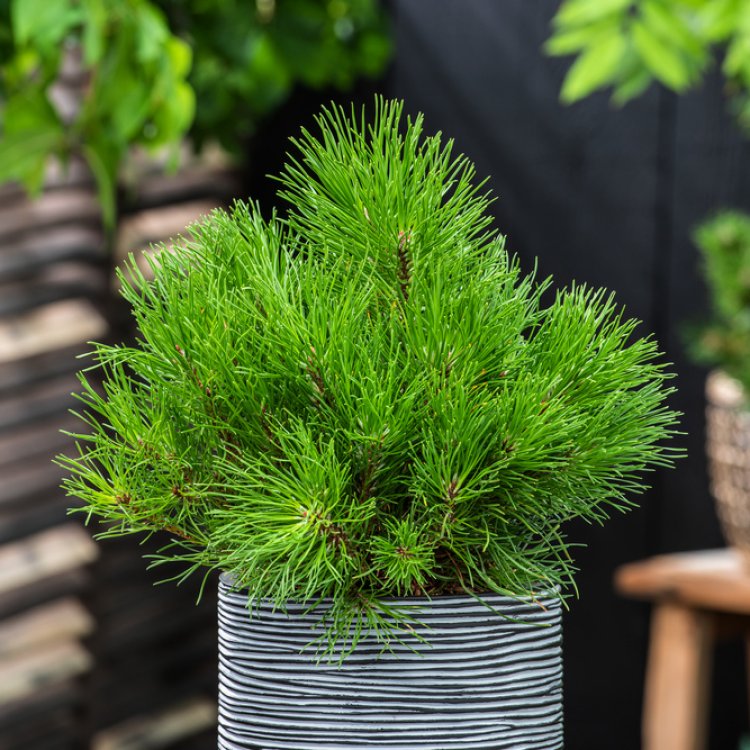
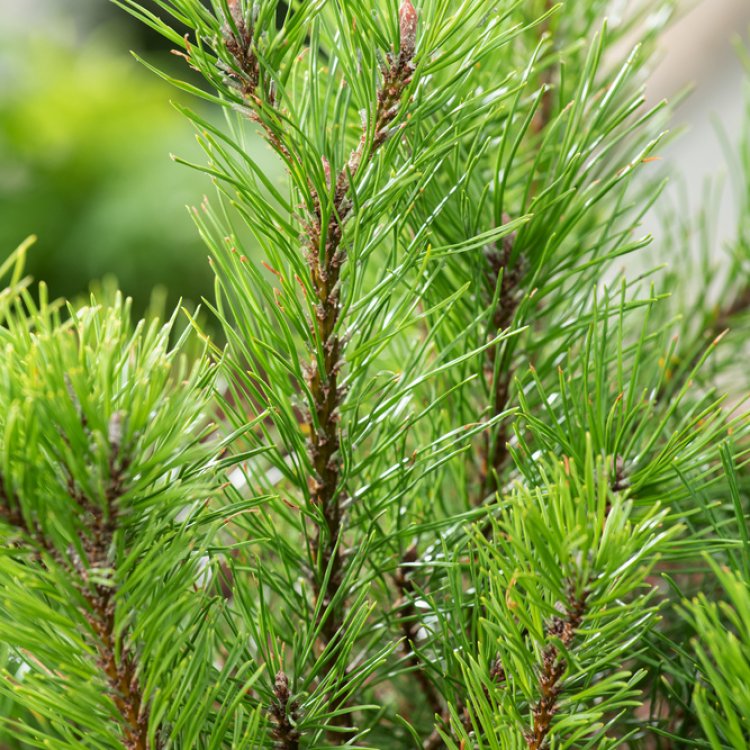
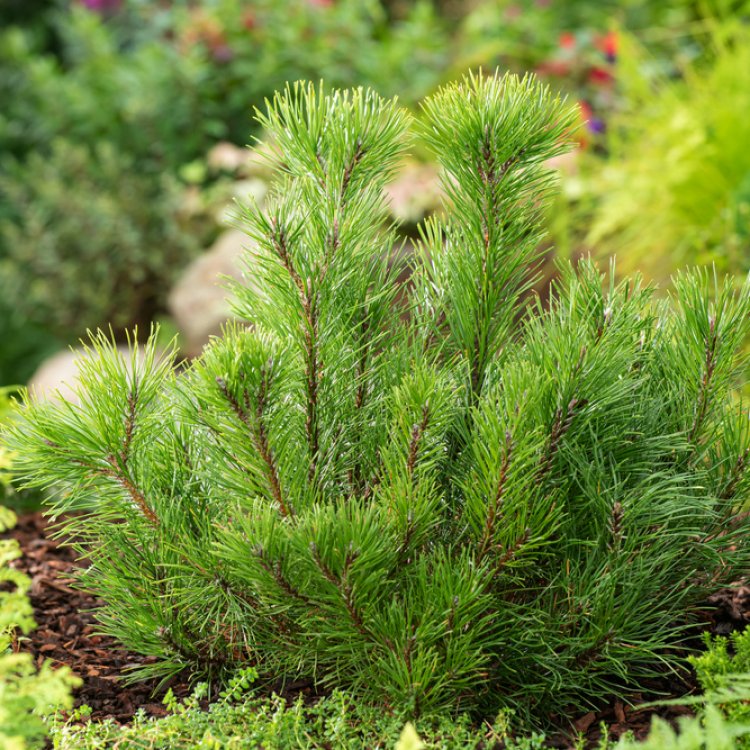
This resilient conifer showcases short, stiff needles, typically arranged in pairs. They boast a rich, dark green hue, maintaining their vibrant colour throughout the year. The needles create a dense, bushy texture that is pleasing to both the eye and touch. Furthermore, the Pinus mugo mugo develops a naturally rounded or mounded shape, meaning it rarely needs extensive shaping. As it matures, it retains its compact structure, making it a reliable choice for consistent garden design.
Pinus mugo mugo excels in a variety of garden settings across the UK. Its compact size makes it a superb specimen for rock gardens, where it provides a strong focal point. Additionally, it thrives in large patio pots and containers, offering evergreen structure on balconies or terraces. Gardeners often use it to edge borders or as a distinctive ground cover on banks, effectively suppressing weeds. Because of its adaptability, it complements many planting schemes without overwhelming other plants.
Generally, Pinus mugo mugo requires very little pruning. Gardeners might occasionally remove dead or damaged branches. This helps maintain its tidy appearance. Some choose to gently ‘candle’ new growth in spring. This involves pinching back the soft, new shoots. Doing this encourages a denser, more compact habit.
Beyond its looks, this Dwarf Mountain Pine helps local wildlife. Its dense foliage offers excellent shelter for small birds. This is especially true during colder months. Furthermore, its small cones provide a minor food source for some species.
Hardy in the harshest UK conditions and below. Suitable for mountain regions.
Pinus mugo mugo is notably low-maintenance. Initially, ensure regular watering after planting until it establishes well. Once established, it becomes highly drought-tolerant, only needing water during prolonged dry spells. Feeding is generally unnecessary, especially in fertile soils. However, if planted in very poor soil, a slow-release, balanced granular fertiliser in early spring can be beneficial. Pruning is rarely required; simply remove any dead, damaged, or unruly branches to maintain its desirable shape. This is best done in late winter or early spring before new growth appears. 'Candling' – pinching back new shoots – can encourage a denser habit if desired.