£8.37 – £9.07Price range: £8.37 through £9.07
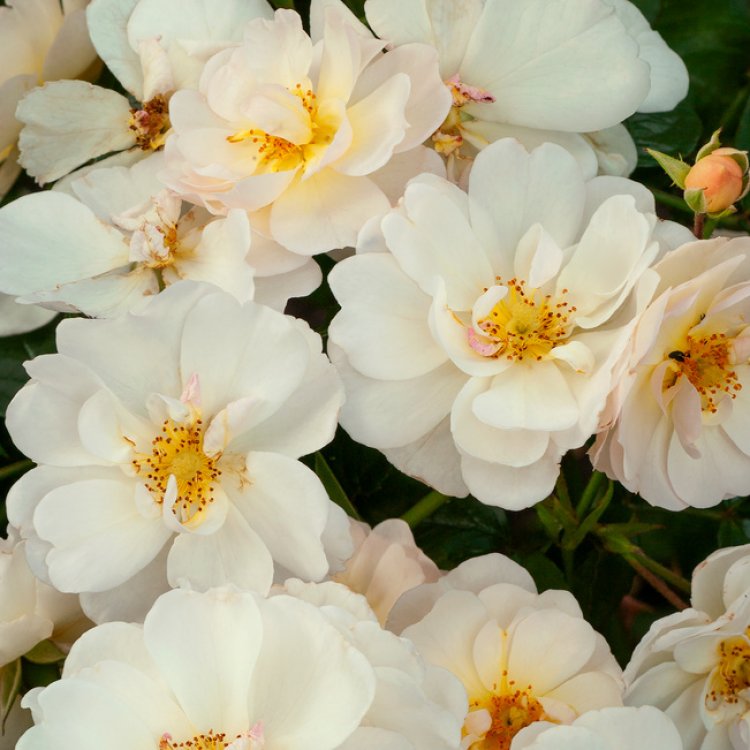
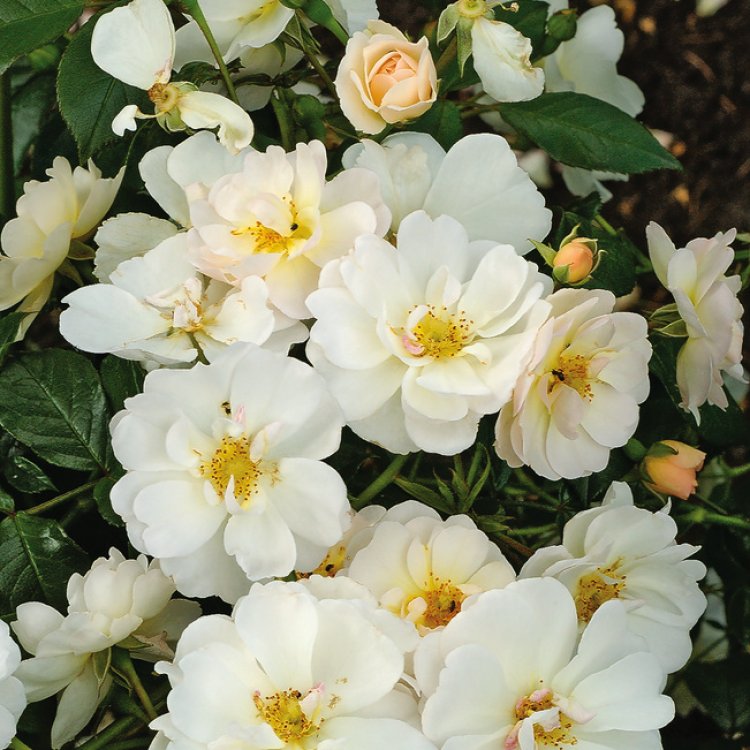
Rosa (H) Schneekönigin, the Snow Queen Rose, boasts exquisite pure white, double blooms from early summer to autumn. This compact floribunda is perfect for borders or containers, offering timeless elegance and attracting garden pollinators to your outdoor space.
963 in stock
Embrace the elegance of Rosa (H) Schneekönigin, also known as the Snow Queen Rose, with its pristine white blooms bringing timeless beauty to UK gardens.
This exquisite floribunda rose, Rosa (H) Schneekönigin, graces gardens with abundant clusters of pure white, double flowers. Its name, translating to “Snow Queen” from German, perfectly captures the pristine, almost regal quality of its blossoms. These beautiful roses appear throughout the summer and into autumn, offering a continuous display. The plant forms a compact, bushy shrub, making it a versatile choice for various garden settings. Gardeners truly cherish its classic charm and reliable performance.
Key Features:
Introducing the Snow Queen Rose
Rosa (H) Schneekönigin stands out as a superb floribunda rose, renowned for its abundant, pure white flowers. These exquisite blooms, often borne in elegant clusters, exhibit a classic double form. They also carry a delicate, light fragrance, adding to their appeal. Gardeners across the UK truly value its reliable and extended flowering period, which brings continuous joy. The plant’s vigorous growth leads to a bushy, upright habit, making it an excellent structural addition. Furthermore, its dark green, glossy leaves provide a beautiful backdrop for the pristine white blossoms, enhancing their bright appearance.
Blooming Beauty and Garden Versatility
The Snow Queen Rose typically begins its lavish display in early summer. It then continues to produce new flowers right through to the first hard frosts of autumn. Consequently, your garden benefits from a prolonged season of interest, adding vibrancy for months. The immaculate white petals are striking, especially when combined with other colours in a mixed border. This rose is exceptionally versatile; it thrives equally well when planted in groups within a border, used to create a low hedge, or featured as a standout specimen in a container on a patio. Moreover, its compact size makes it suitable for gardens both large and small, fitting into various designs.
A Name Rooted in Beauty: Rosa (H) Schneekönigin
The name “Schneekönigin” directly translates to “Snow Queen” from German. This nomenclature perfectly reflects the rose’s pristine, pure white petals, which often appear as fresh and perfect as newly fallen snow. This elegant cultivar was bred to offer both classic beauty and robust performance in garden settings. Its heritage as a floribunda means it produces many flowers on each stem, creating a stunning visual impact. Such prolific blooming ensures a lavish display throughout the warmer months, making it a garden favourite.
Attracting Wildlife and Pruning Advice
While its double flowers might seem less open, Rosa (H) Schneekönigin still proves attractive to many beneficial garden insects. Bees and butterflies are often seen visiting the blooms, especially on warmer days, contributing to garden biodiversity. Maintaining the vigour and shape of this rose is straightforward with routine pruning. Annually, in late winter or early spring, remove any dead, diseased, or crossing stems. Lightly trim back the remaining shoots to encourage strong new growth and abundant flowering. Regular deadheading throughout the growing season also promotes further flower production, ensuring a continuous supply of its stunning white blooms. The name Schneekönigin truly embodies the pristine beauty and enduring appeal of this magnificent rose.
Very hardy. Tolerates temperatures typical of a continental winter.
Water deeply and regularly, especially during dry spells and in its first year. Container-grown roses need more frequent watering. Apply a balanced granular rose fertiliser in early spring as new growth begins, and again after the first flush of flowers in mid-summer. In late winter or early spring, remove dead, diseased, or crossing stems. Cut back main stems by about one-third to encourage bushy growth and abundant blooms. Regularly remove spent flowers (deadheading) to encourage continuous blooming throughout the growing season. Monitor for common rose pests like aphids and blackspot; address issues promptly with appropriate treatments if necessary.
This plant is deciduous so it will lose all of its leaves in the autumn and get fresh new foliage each spring.