£8.37 – £9.07Price range: £8.37 through £9.07
Rosa (H) Aspirin Rose offers a profusion of pristine white, semi-double flowers from early summer into autumn. This resilient, disease-resistant floribunda is perfect for borders and containers, attracting pollinators to your UK garden.
703 in stock
Discover the enchanting Rosa (H) Aspirin Rose, a resilient and free-flowering floribunda known for its pristine white blooms and exceptional garden performance.
The captivating Rosa (H) Aspirin Rose, also affectionately known as Aspirin Rose, presents a spectacular display in any UK garden. This robust floribunda cultivar, developed by Kordes, is celebrated for its enduring beauty and health. It consistently produces an abundance of delightful flowers, making it a favourite among gardeners seeking a low-maintenance yet highly rewarding rose. Its charming appearance truly enhances borders and containers alike. Its vigorous nature ensures a reliable show year after year.
Rosa ‘Aspirin’ is a floribunda rose, bred by W. Kordes’ Söhne in Germany and introduced in 1997. It is also known by its breeder code KORaspri or ‘Thousand Beauties’. Interestingly, it earned its memorable common name, Aspirin Rose, because of its notable resilience and health, much like the renowned pain reliever. This cultivar quickly gained popularity, consequently becoming a staple in many UK gardens.
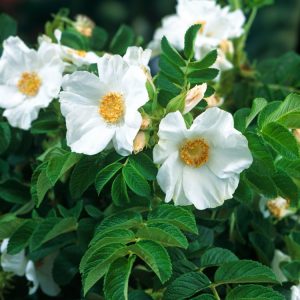
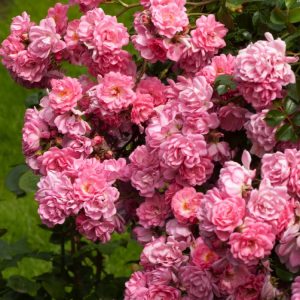
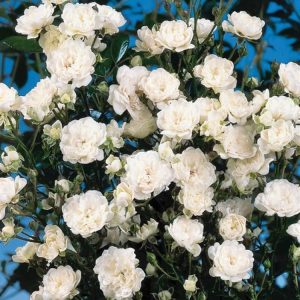
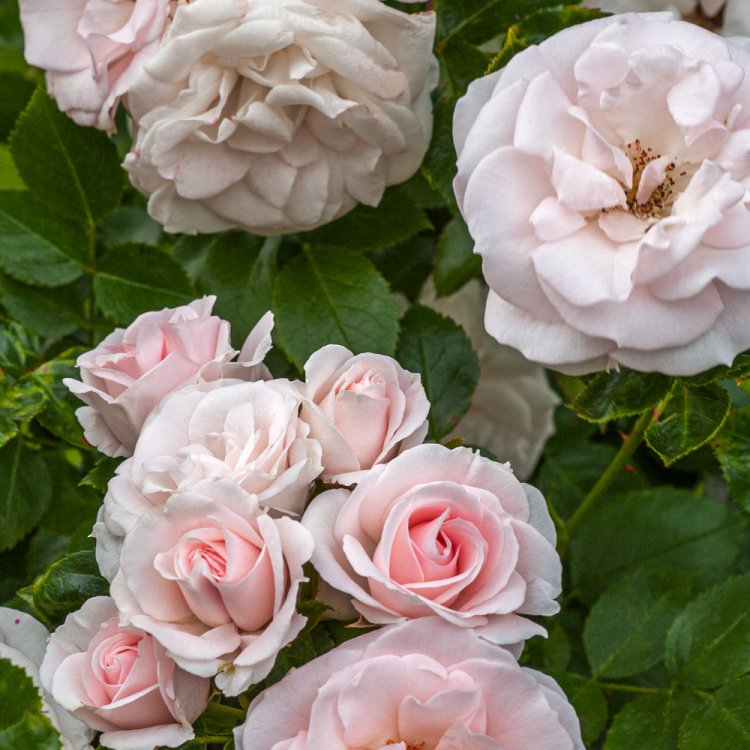
This wonderful rose produces masses of semi-double, pure white flowers, often with a hint of cream or pale pink in cooler weather. The blooms gather in lovely clusters, creating a truly spectacular effect. Furthermore, their gentle fragrance is a subtle delight, adding to the garden’s sensory appeal. The flowering period is exceptionally long, commencing in early summer and continuing generously right through until the first frosts of autumn. Its mid-green foliage is notably healthy and typically exhibits excellent disease resistance, which ensures a vibrant backdrop for the abundant blooms.
The compact and bushy habit of Rosa (H) Aspirin Rose makes it remarkably versatile. Gardeners often choose it for front-of-border planting, where its continuous flowers brighten pathways. Moreover, it performs beautifully as an informal low hedge, providing a charming boundary. It is also an excellent choice for planting in containers, bringing its elegant display to patios and balconies. This rose truly excels in mass plantings, consequently creating a sea of white blooms that are both impactful and serene.
Maintaining the health and vigour of your Aspirin Rose involves routine pruning. Gardeners commonly deadhead spent flowers throughout the season; this encourages further blooming. A more comprehensive prune in late winter helps shape the plant and promotes robust new growth for the coming year. Importantly, the semi-double flowers of the Rosa (H) Aspirin Rose are easily accessible to bees and other pollinators. Therefore, it actively supports local wildlife, contributing positively to garden biodiversity.
Very hardy. Tolerates temperatures typical of a continental winter.
Regular watering is essential, especially during dry spells and for newly planted specimens. Feed in spring with a balanced rose fertiliser after the first flush of flowers. Deadhead spent blooms to encourage further flowering throughout the season. Prune in late winter or early spring by removing dead, diseased, or crossing stems, and by cutting back to strong outward-facing buds to maintain shape and promote vigorous growth.
This plant is deciduous so it will lose all of its leaves in the autumn and get fresh new foliage each spring.