£4.32 – £5.02Price range: £4.32 through £5.02
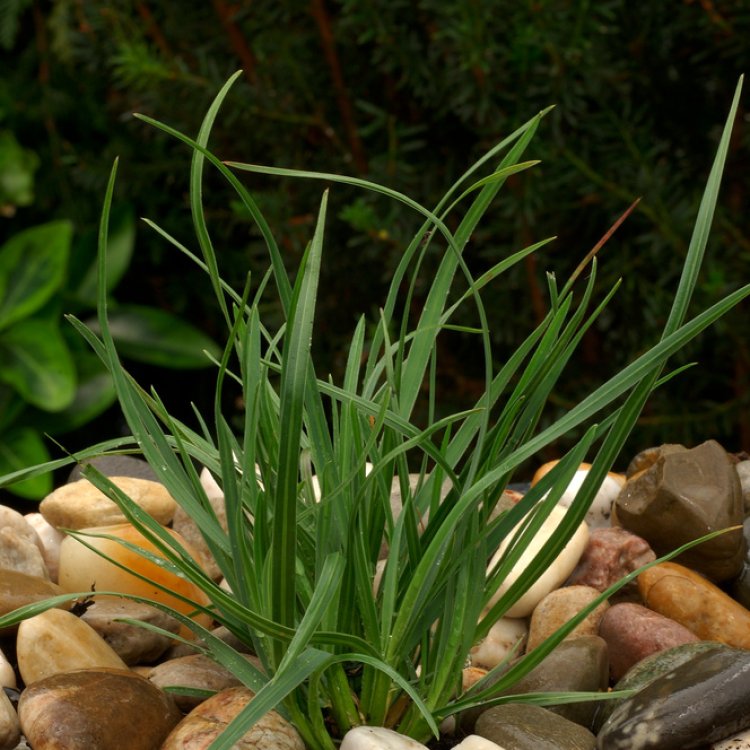
Sesleria heufleriana is a robust, evergreen ornamental grass offering year-round appeal. Its grey-green foliage and early spring dark flower spikes add unique texture. Adaptable and low-maintenance, it thrives in most UK gardens, perfect for borders or gravel areas.
2010 in stock
Discover Sesleria heufleriana, a robust and evergreen ornamental grass, bringing architectural form and early seasonal interest to UK gardens.
This charming grass, also known as Heufler’s Blue Moor Grass, truly enhances garden aesthetics throughout the year. Its distinctive foliage maintains colour even in winter, providing consistent structure. Moreover, Sesleria heufleriana offers a low-maintenance solution for diverse garden styles, making it a popular choice for many British gardeners.
Often called Heufler’s Blue Moor Grass, the botanical name Sesleria honours Leonardo Sesler, an 18th-century Italian botanist. Similarly, heufleriana pays tribute to Ludwig Heufler, an Austrian botanist. This resilient perennial grass originates from European mountain regions. This history explains its impressive hardiness and adaptability to varied conditions.
The beauty of Sesleria heufleriana begins with its captivating foliage. Each narrow, strap-like leaf shows a grey-green hue on top, contrasting beautifully with a silvery-blue underside. This creates a shimmering effect as the breeze moves through the plant. Therefore, this evergreen quality ensures your garden keeps visual interest, even during colder months.
Early in spring, usually from March to May, Sesleria heufleriana sends up intriguing flower spikes. These slender, cylindrical blooms emerge very dark, almost black. They stand proudly above the foliage, creating a bold statement. Later, these striking spikes mature, turning a delicate pale straw hue. This extends their visual appeal. Bees and beneficial insects often visit these flowers, helping garden biodiversity.
For garden uses, this grass offers great versatility. Its compact, clump-forming habit is perfect for edging borders, defining pathways neatly. Gardeners often use it in gravel gardens or rockeries, where its drought tolerance is a strong asset. You can also plant it in masses for attractive ground cover.
Furthermore, Sesleria heufleriana works well in mixed perennial borders. Because it grows nicely in containers, it adds valuable texture to patios. It truly adapts to many design concepts.
Maintaining Sesleria heufleriana is straightforward. Gardeners find it very low-maintenance, needing minimal fuss. While no specific pruning is strictly necessary for shaping, a light tidy-up of old flower stems and any tired foliage in late winter or early spring helps rejuvenate the plant. This simple task keeps the plant looking its best throughout the year.
Moreover, this grass benefits local wildlife. Its dense, tussocky form offers shelter for small creatures. Birds often enjoy the mature seeds as a food source. Planting Sesleria heufleriana therefore contributes positively to your garden’s ecological balance. It supports a vibrant ecosystem for British wildlife.
Hardy in the harshest UK conditions and below. Suitable for mountain regions.
Sesleria heufleriana is a low-maintenance grass. In late winter or early spring, before new growth starts, cut back any old, tired flower stems and untidy foliage. This simple tidy-up helps rejuvenate the plant. Avoid cutting into the evergreen basal foliage too much. Water newly planted specimens until established; established plants are drought tolerant and rarely need extra watering in the UK. Ensure the soil is well-drained to prevent root rot, particularly in winter.