£2.63 – £4.03Price range: £2.63 through £4.03
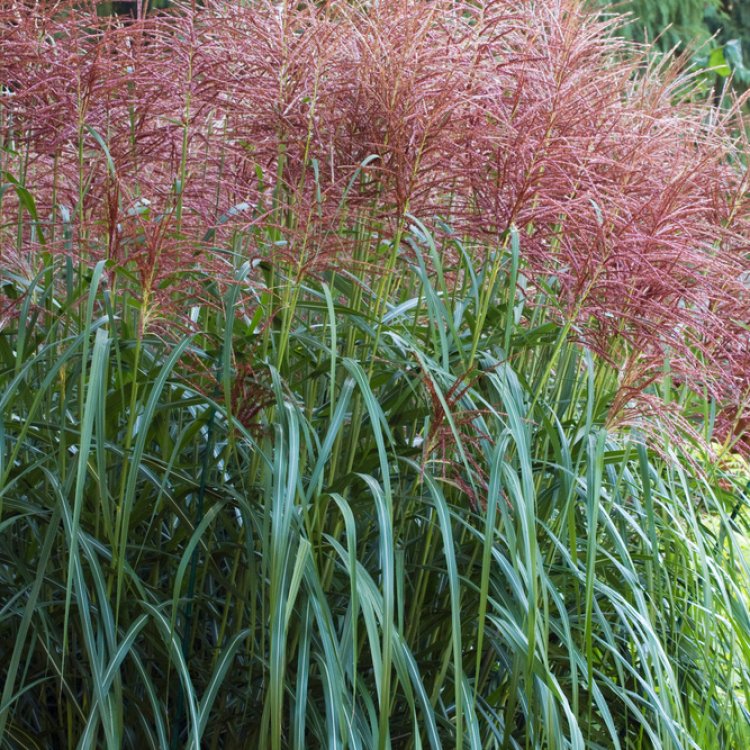
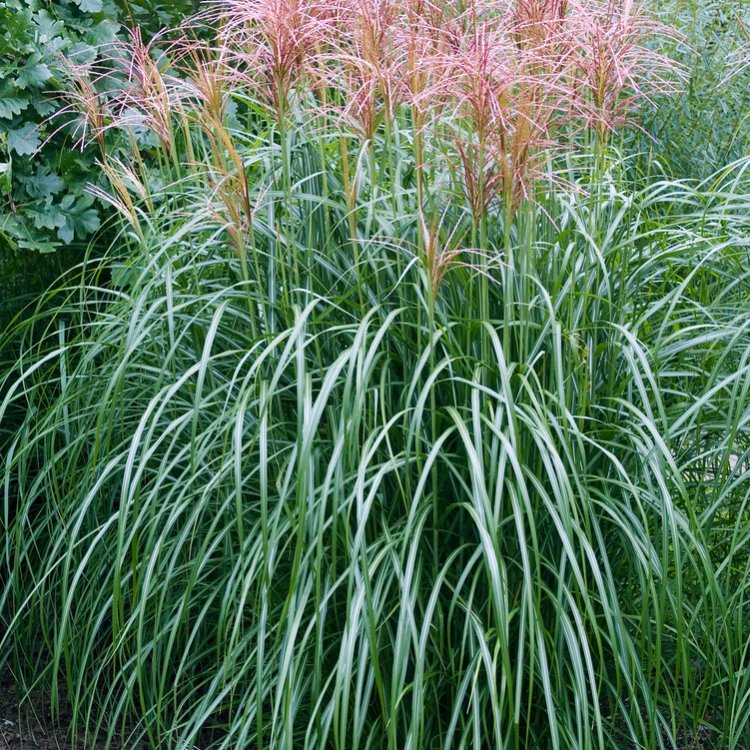
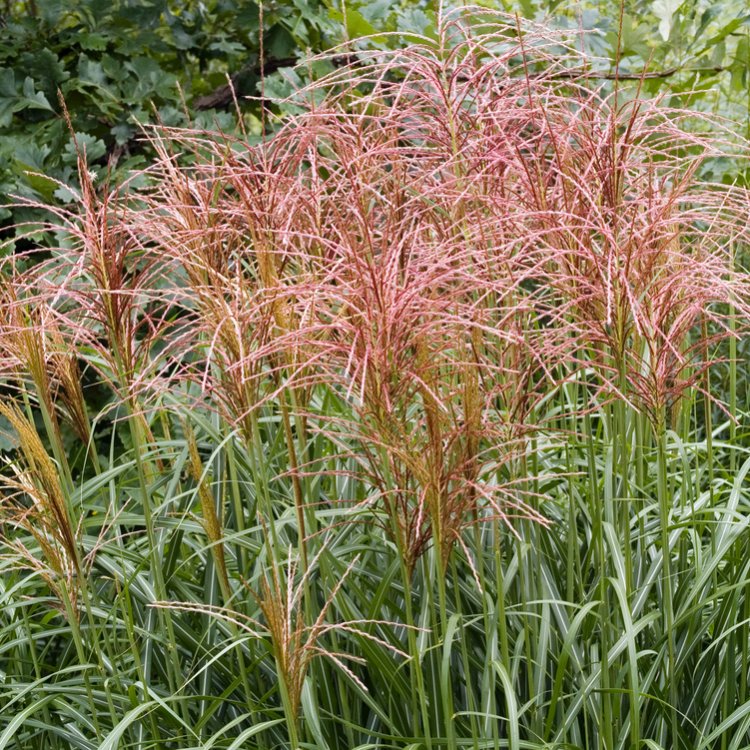
Miscanthus sinensis ‘Rotsilber’ is a stunning ornamental grass with arching green foliage that turns fiery red and purple in autumn. Silvery-pink plumes emerge in late summer, providing year-round interest and supporting garden wildlife.
762 in stock
Miscanthus sinensis ‘Rotsilber’ brings year-round appeal to UK gardens, known for its striking foliage and elegant plumes. Its vibrant autumn colours captivate.
This magnificent ornamental grass offers a dynamic presence in any garden design. It truly transforms through the seasons, starting with fresh green growth in spring. As the year progresses, its arching leaves become a stunning feature. Eventually, it provides superb winter structure. Gardeners appreciate its low-maintenance nature and enduring beauty. Furthermore, its graceful form adds texture and movement, creating a tranquil atmosphere.
Miscanthus sinensis ‘Rotsilber’ is a superb choice for gardeners seeking visual impact. Its botanical name, Miscanthus, comes from Greek words meaning “stalk” and “flower”. The specific epithet, sinensis, indicates its origin in China. ‘Rotsilber’ is a German cultivar name, translating to “red silver”. This name highlights its most celebrated attributes: the striking red hues of its autumn foliage and its silvery-pink flower plumes. Each season brings a new spectacle from this versatile plant.
In spring, Miscanthus sinensis ‘Rotsilber’ emerges with fresh, slender green leaves. These elegant blades form dense, arching clumps. They provide a lush backdrop throughout summer. As autumn approaches, a dramatic transformation occurs. The foliage turns an extraordinary mix of fiery red, deep orange, and rich purple shades. This vibrant display brings warmth and intensity to the garden.
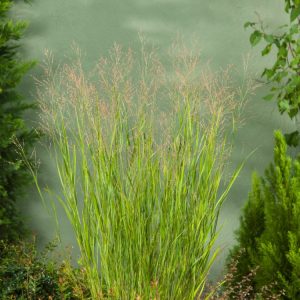
Later in late summer and early autumn, it produces exquisite flower plumes. These begin as a delicate silvery-pink, catching the sunlight beautifully. Over winter, they mature to a fluffy white, remaining attractive and adding vertical interest to dormant landscapes. Consequently, these plumes offer a valuable food source for various seed-eating birds.
Miscanthus sinensis ‘Rotsilber’ is ideal for creating stunning garden features. Many gardeners use it as a focal point in mixed borders. Here, its height and texture stand out. It also works well for mass planting, forming an effective screen or a striking backdrop. Its strong, upright habit adds architectural interest.
This plant requires minimal pruning. Simply cut back all dead foliage to ground level in late winter or early spring. This allows new growth to emerge unhindered.
Importantly, this ornamental grass supports local wildlife. Its dense foliage offers shelter for small creatures. Furthermore, the seed heads provide vital sustenance for birds during colder months. This makes it a valuable addition to a wildlife-friendly garden. The spent plumes create winter habitat.
Very hardy. Tolerates temperatures typical of a continental winter.
Miscanthus sinensis 'Rotsilber' is a low-maintenance grass. Cut back all old foliage to ground level in late winter or early spring before new shoots appear. It prefers consistently moist, well-drained soil but tolerates drier conditions once established. No regular feeding is typically required.
This plant is deciduous so it will lose all of its leaves in the autumn and get fresh new foliage each spring.