£4.86 – £5.58Price range: £4.86 through £5.58
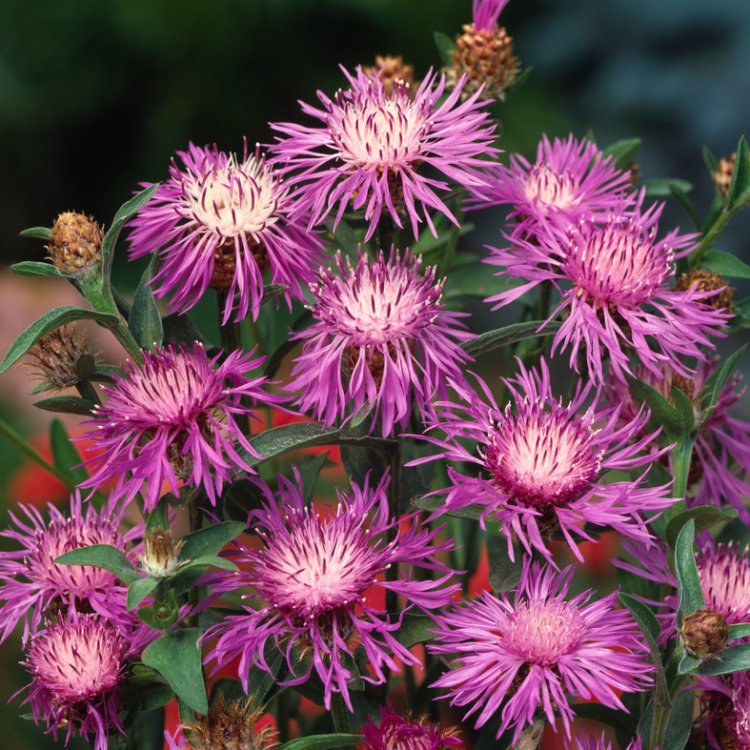
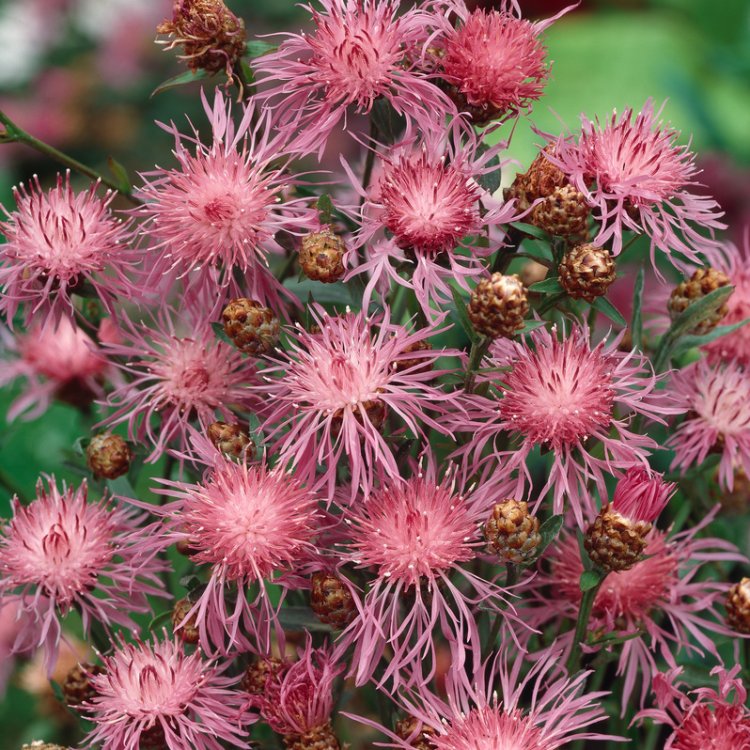
Centaurea jacea, or Brown Knapweed, offers vibrant purple-pink blooms from June to September. This charming, low-maintenance perennial is a magnet for pollinators, perfect for UK wildflower gardens and borders, enhancing biodiversity with ease.
140 in stock
Discover the charm of Centaurea jacea, an enchanting perennial wildflower that brings natural beauty and vital pollinator support to UK gardens.
Centaurea jacea, often called Brown Knapweed or Meadow Knapweed, is a delightful addition to any garden. This robust native perennial thrives in various conditions, making it a versatile choice for UK gardeners. Its cheerful, thistle-like blooms offer a consistent splash of summer colour, creating a vibrant display. It also plays a significant role in supporting local wildlife.
Centaurea jacea originates from Europe, flourishing in meadows and grasslands. Historically, people valued this plant for its robust nature and beautiful blooms. The genus name ‘Centaurea’ comes from Chiron, the mythological centaur known for his medicinal herb knowledge. Therefore, many believed plants in this genus possessed healing properties. The species name ‘jacea’ likely derives from an older European word for knapweed. This plant, also known as Brown Knapweed or Meadow Knapweed, is now a key part of the UK’s natural landscape.
Centaurea jacea truly reveals its beauty in its flowers. From early summer to early autumn, charming purple-pink, or sometimes white, blooms emerge. Each flower head has a unique, shaggy appearance, resembling a miniature thistle but without sharp spines. These flowers are distinct due to their brown, papery bracts. The leaves are generally lance-shaped, appearing green and fresh all season. Lower leaves are typically larger; upper leaves clasp the stems. This consistent green foliage provides a lovely backdrop for the colourful blossoms.
Centaurea jacea excels in informal garden designs. You can integrate it into a wildflower meadow; it provides visual interest and a food source for insects. Equally, it looks wonderful when planted in drifts within a cottage garden, creating a relaxed, natural feel. Consider using it in mixed borders too; its upright form adds vertical appeal without overwhelming other plants. Importantly, this plant is a beacon for wildlife. Bees, butterflies, and other pollinators flock to its nectar-rich flowers. Birds also enjoy its seeds, adding biodiversity to your outdoor space.
Maintaining Centaurea jacea is straightforward. While it generally requires little specific care, a light prune after its initial flush can encourage more blooms. Alternatively, allow some seed heads to develop, offering winter interest and providing food for garden birds. This simple practice ensures continuous enjoyment from your Meadow Knapweed. It usually reaches a maximum height of approximately 1.0 metre and spreads up to 0.6 metres. Its adaptable nature means it quickly establishes itself, proving a reliable garden performer.
Hardy in the harshest UK conditions and below. Suitable for mountain regions.
Centaurea jacea is generally low-maintenance. Water young plants until established. Deadhead spent flowers to encourage further blooming or allow some to go to seed for self-propagation and bird food. Cut back faded foliage in late autumn or early spring.