£43.42 – £43.65Price range: £43.42 through £43.65
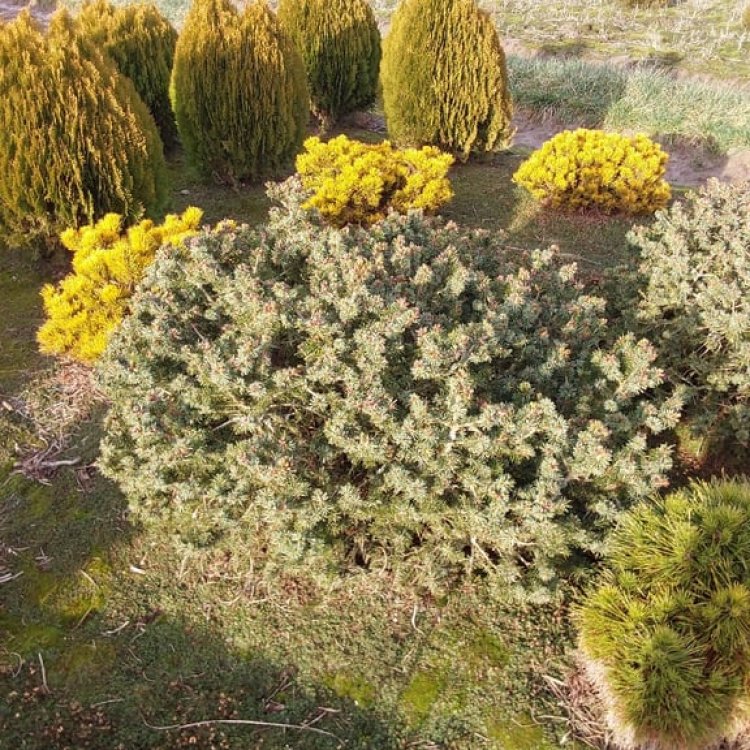
Picea sitchensis ‘Nana’, the Dwarf Sitka Spruce, is a compact, slow-growing conifer with captivating blue-green needles. Perfect for UK rockeries, borders, or containers, it offers year-round beauty and structure with minimal care.
19 in stock
Discover Picea sitchensis ‘Nana’, a captivating dwarf conifer that brings year-round structure and elegant blue-green foliage to any UK garden space.
The Picea sitchensis ‘Nana’ cultivar offers a delightful, compact form of the majestic Sitka Spruce. This slow-growing evergreen thrives in various settings, presenting a neat, rounded habit. Its dense, short needles boast a distinctive blue-green hue, often shimmering with silvery undersides. Consequently, it creates a striking visual impact throughout every season. Gardeners often choose this adaptable plant for its low-maintenance beauty and consistent appeal.
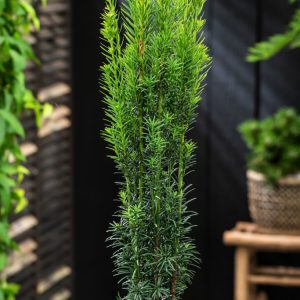
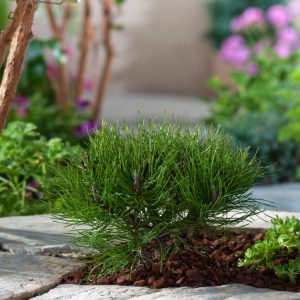
Dwarf and Compact Habit: Picea sitchensis ‘Nana’ maintains a naturally neat, mounding shape, perfect for smaller gardens.
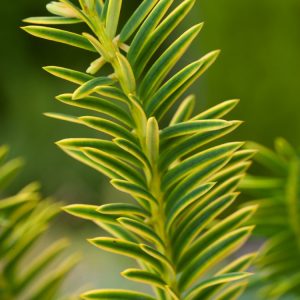
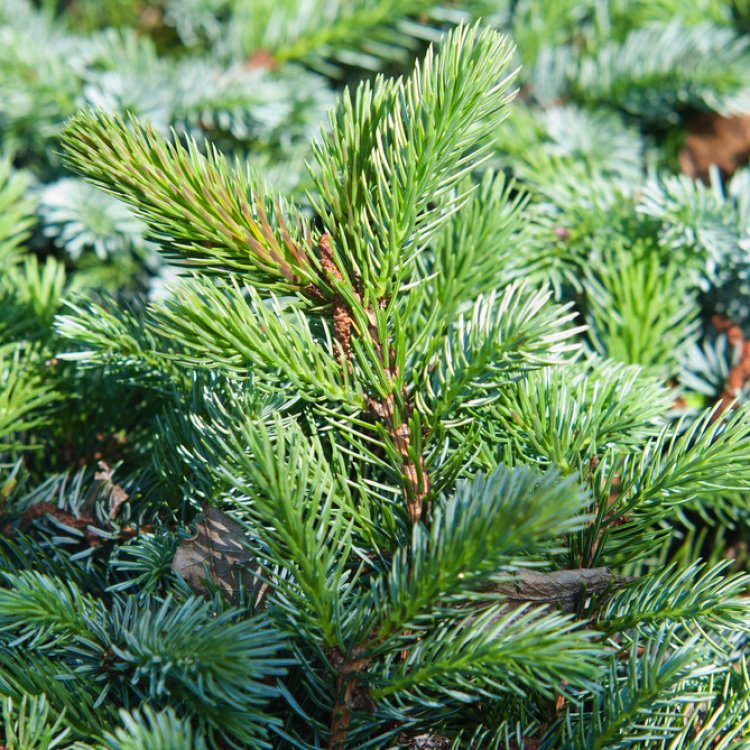
Attractive Foliage: Enjoy stiff, short needles in a beautiful blue-green, providing year-round colour and texture.
Slow Growing: This conifer requires minimal pruning, making it an easy-care addition to your outdoor space.
Versatile Garden Use: Ideal for rockeries, borders, containers, and even as a charming standalone specimen.
RHS Hardiness H6: Fully hardy across the UK, tolerating typical British winter conditions with ease.
Picea sitchensis ‘Nana’, commonly known as Dwarf Sitka Spruce, is an outstanding coniferous gem for any British garden. This particular cultivar offers a charming, miniature version of the much larger Sitka Spruce species. Originally, the species Picea sitchensis hails from the coastal regions of western North America. It gained its name from Sitka, Alaska, a location where it thrives naturally. The ‘Nana’ epithet simply means ‘dwarf’ in Latin, clearly indicating its compact size. Consequently, it delivers significant visual interest without demanding vast amounts of space.
Throughout the year, Picea sitchensis ‘Nana’ provides consistent colour and structure. Its dense, short needles are a standout feature. These stiff, pointed needles display a lovely glaucous blue-green on their upper surfaces. Moreover, when you look closely, you will notice silvery-white bands of stomata on their undersides. This contrast adds depth and allure to the plant’s overall appearance. In addition, its natural growth habit is typically a neat, mounding or globular form. This shape rarely requires intervention, which further contributes to its low-maintenance appeal.
The compact nature of Dwarf Sitka Spruce makes it incredibly versatile for various garden designs. Many gardeners choose Picea sitchensis ‘Nana’ for rock gardens or alpine displays, where its texture contrasts beautifully with stones and smaller perennials. Furthermore, it excels when positioned at the front of mixed borders, creating a clear focal point. Its adaptable size also makes it an excellent choice for container planting. This allows you to place it on patios, balconies, or near entrances, adding evergreen charm. You can also use it as an understated specimen plant, letting its unique form truly shine.
While conifers are not generally known for attracting a multitude of pollinators, Picea sitchensis ‘Nana’ still contributes to garden biodiversity. Its dense branching provides valuable shelter and nesting sites for small birds throughout the year. Additionally, it offers refuge for various beneficial insects, particularly during colder months. This makes it a quiet, yet important, part of a balanced garden ecosystem.
Maintaining the beauty of Dwarf Sitka Spruce is remarkably straightforward. Due to its very slow growth rate and naturally tidy habit, Picea sitchensis ‘Nana’ seldom requires significant pruning. You might only need to remove any dead or damaged branches to keep it looking its best. Occasionally, a light trim can help maintain a desired shape or size, but this is rarely urgent. This low-fuss characteristic ensures that gardeners of all experience levels can enjoy its enduring elegance for many years.
Very hardy. Tolerates temperatures typical of a continental winter.
Keep the soil consistently moist, especially during dry spells and for young plants, but avoid waterlogging. Feeding is generally not required once established, but a balanced slow-release fertiliser can be applied in spring if growth appears weak. Minimal pruning is needed; simply remove any dead, damaged, or crossing branches. Light shaping can be done in late winter or early spring before new growth emerges to maintain its compact form. This conifer is generally trouble-free, but monitor for common conifer pests like aphids if a problem arises. Fully hardy, container-grown plants may benefit from pot insulation during extreme winter cold to protect roots.